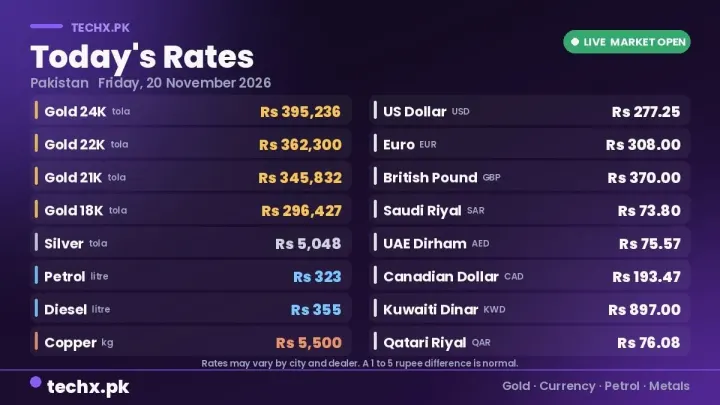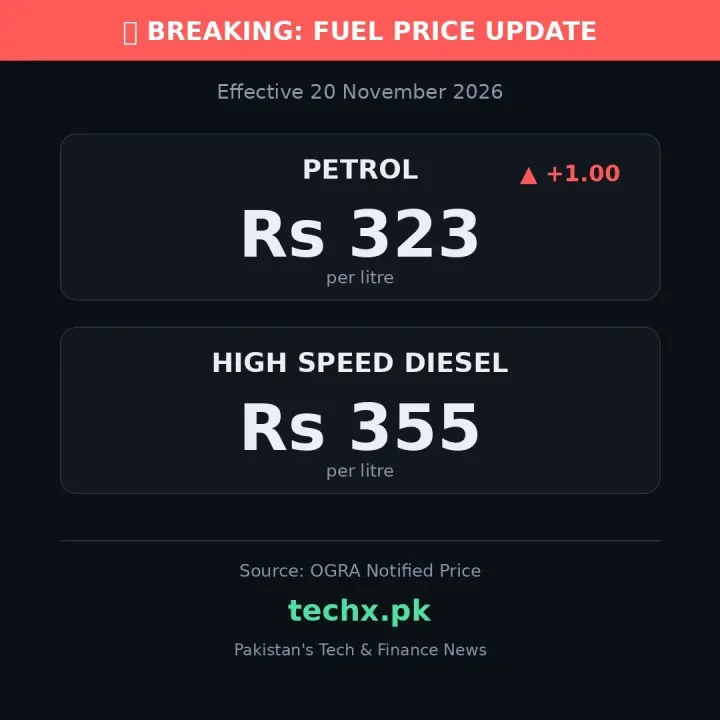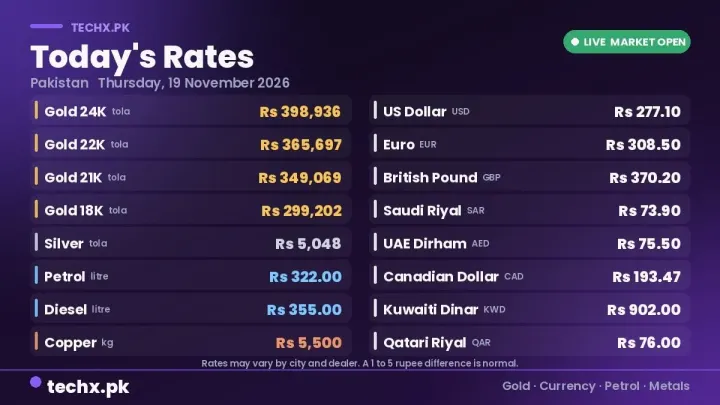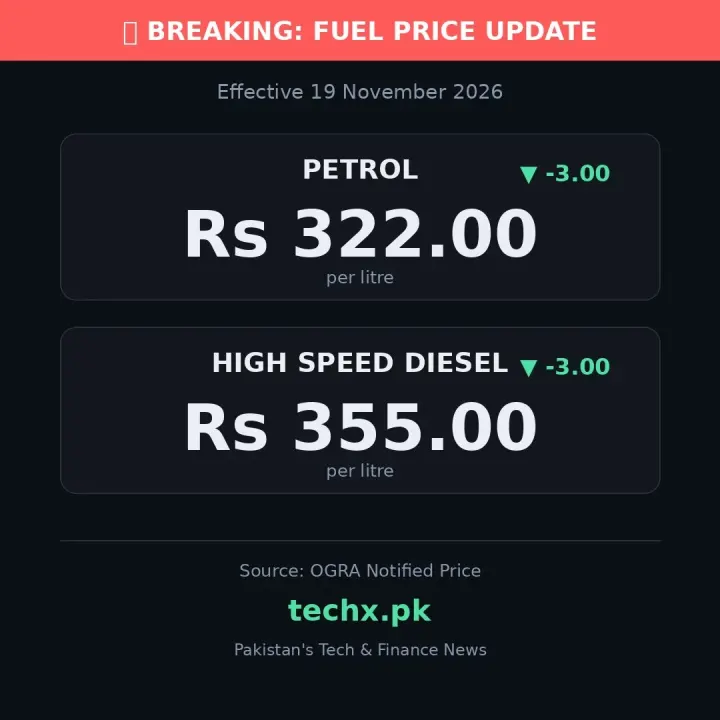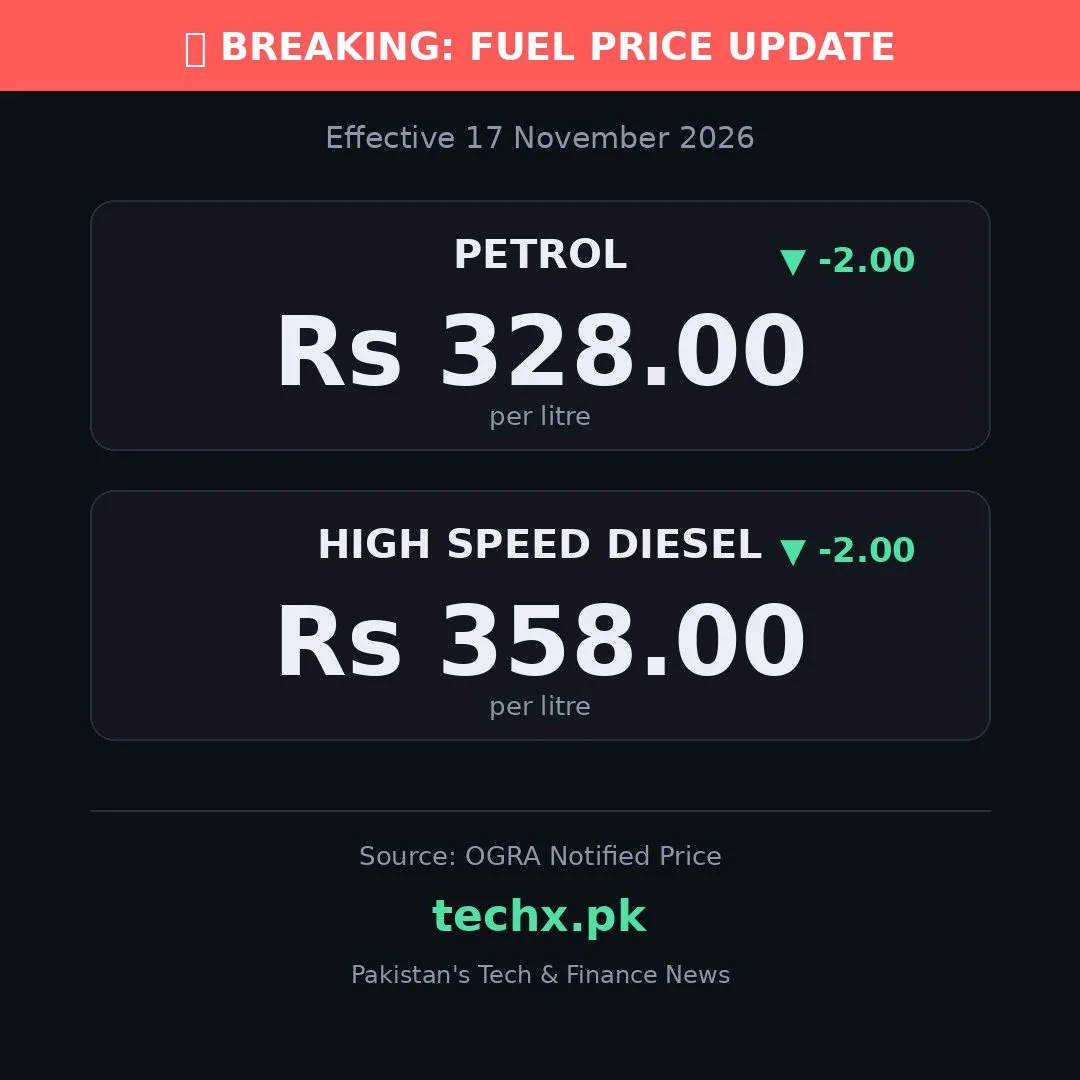
Petrol and diesel prices in Pakistan fell by Rs 2 per litre on 17 November 2026, with the new rates set at Rs 328 for petrol and Rs 358 for high-speed diesel, according to the Oil and Gas Regulatory Authority (OGRA).
The reduction comes as part of OGRA's regular fortnightly price revision, a mechanism that adjusts fuel costs in line with global oil market movements and the exchange rate of the Pakistani rupee.
What the New Prices Are
Effective 17 November 2026, the official price list released by OGRA shows the following figures:
| Fuel | New Price | Change |
|---|---|---|
| Petrol (Super) | Rs 328.00 per litre | -Rs 2.00 |
| High Speed Diesel | Rs 358.00 per litre | -Rs 2.00 |
Why the Prices Were Adjusted
OGRA reviews fuel tariffs every two weeks. The agency bases its calculations on two main variables: the price of crude oil on the international market and the prevailing exchange rate of the Pakistani rupee against the US dollar. When crude prices ease or the rupee remains stable, OGRA can lower domestic fuel rates.
The latest cut reflects a modest softening in global oil prices and a relatively steady rupee at the time of the revision. No other policy changes were cited in the announcement.
Background on OGRA's Pricing Mechanism
Established in 2002, OGRA is the independent regulator for Pakistan's oil and gas sector. Its mandate includes setting wholesale fuel prices, issuing licences, and ensuring fair competition. The fortnightly revision system was introduced to keep domestic fuel prices responsive to volatile international markets while providing predictability for consumers.
Historically, Pakistan has seen frequent fuel price swings due to its heavy reliance on imported crude. The country imports roughly 80 % of its oil needs, making the exchange rate a critical factor. When the rupee weakens, the cost of imported crude rises, prompting OGRA to increase tariffs. Conversely, a strong rupee or lower Brent crude price can create room for reductions, as seen today.
Impact on Different Sectors
Although a Rs 2 per litre cut may appear modest, the cumulative effect can be significant for high-volume users. Daily commuters who travel by car or motorbike will see a small decrease in fuel expenditure each month. For rickshaw and taxi drivers, the savings add up quickly, potentially improving net earnings.
Goods transporters, especially those operating long-haul trucks, benefit from lower diesel costs. A typical 50-litre diesel tank will cost Rs 100 less after the cut, translating to roughly Rs 2,000 savings per 1,000 km journey. Those savings can be passed on to consumers in the form of lower freight charges.
Households that rely on private vehicles for school runs, market trips, or other routine travel will also feel a slight easing of budget pressure. While the reduction does not offset broader inflationary trends, it provides a brief reprieve.
What Consumers Should Expect Next
OGRA's next scheduled price review will occur on 1 December 2026, following the fortnightly cycle. The agency will again examine global crude benchmarks, the rupee's exchange rate, and any changes in domestic taxes or levies that affect fuel pricing.
Consumers can monitor OGRA's official website or reputable news outlets for the upcoming announcement. No further cuts or hikes have been hinted at, and the market will react to any new data on oil prices or currency movements.
Practical Takeaways for Drivers and Transporters
- Calculate the monthly fuel cost reduction by multiplying the Rs 2 per litre saving by your average monthly consumption.
- Consider adjusting travel plans to maximise the benefit, such as combining trips or using fuel-efficient routes.
- Keep receipts and fuel logs; some transport unions use documented savings to negotiate fare adjustments.
How the Revision Was Communicated
OGRA released a press statement on 16 November 2026, confirming the upcoming price change effective the following day. The statement highlighted the link between global market conditions and domestic pricing, emphasizing transparency in the revision process.
Media outlets across the country reproduced the figures, and the Ministry of Energy issued a brief advisory reminding the public of the new rates and encouraging responsible fuel use.
What This Means for the Broader Economy
Fuel costs are a key input for many sectors, from agriculture to manufacturing. Even a small reduction can lower production costs for businesses that rely on diesel-powered machinery. Over time, such cuts can contribute to marginal improvements in consumer price indices, though the effect is typically limited in scope.
Analysts note that sustained lower fuel prices could support modest growth in transport-linked services, but they caution that the underlying drivers, global oil supply and exchange-rate dynamics, remain volatile.
Looking Ahead: Potential Risks and Opportunities
If global oil prices rise sharply or the rupee depreciates, OGRA may be forced to raise tariffs in the next review. Conversely, continued stability could enable further modest cuts. Stakeholders, including transport unions, commercial fleets, and everyday commuters, should stay informed about market trends and OGRA's announcements.
For now, the Rs 2 reduction offers a short-term benefit, and the public is advised to use the saving wisely while remaining vigilant about future price movements.