Petrol Price in Pakistan Today: Understanding the Latest 04 November 2026 Revision
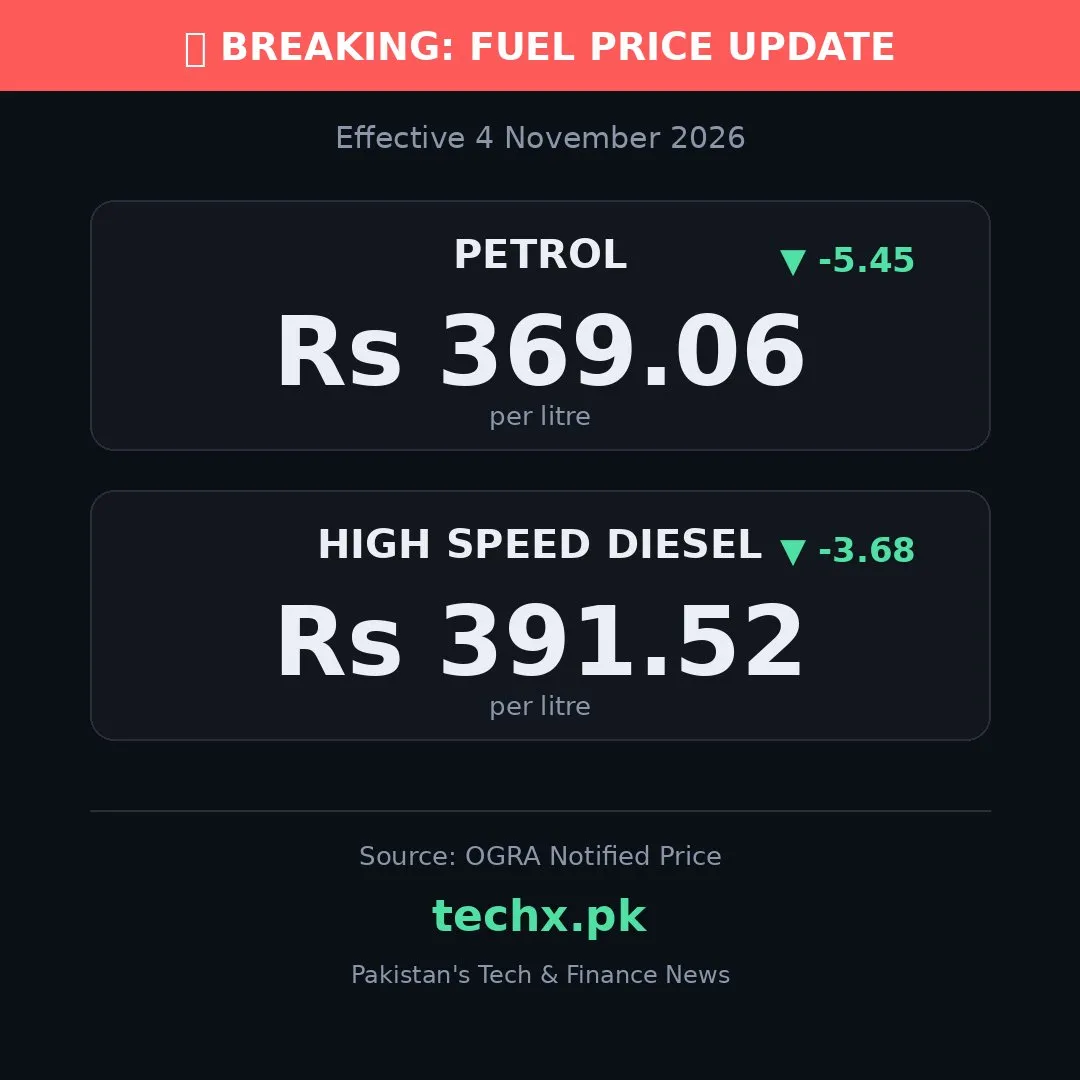
Petrol price in Pakistan today has dropped by Rs 5.45 per litre effective 04 November 2026, bringing some relief to millions of consumers across the country. Oil and Gas Regulatory Authority has also cut the diesel price in Pakistan, reducing it by Rs 3.68 per litre in the latest fortnightly revision. This reduction arrives after a period of high energy costs, giving citizens a brief respite from inflationary pressures that have impacted daily life.
Energy costs remain one of the most critical drivers of the domestic economy, influencing everything from urban commuting costs to the price of staple food items. When regulatory bodies announce reductions, the ripples are felt across multiple sectors, ranging from public transport networks to small and large manufacturing enterprises. The adjustment taking effect today reflects shifting dynamics within the broader energy sector and offers a tangible financial adjustment for vehicle owners and commercial operators.
New Petrol and Diesel Prices in Pakistan
Here is a full breakdown of the new petrol price and diesel price in Pakistan as announced under the latest Oil and Gas Regulatory Authority fuel prices notification effective 04 November 2026. Petrol, commonly referred to as Super, is now priced at Rs 369.06 per litre after the downward adjustment of Rs 5.45 per litre. Meanwhile, High Speed Diesel has dropped by Rs 3.68 per litre, bringing the new rate to Rs 391.52 per litre.
These figures apply nationwide, though final pump prices at remote retail outlets can occasionally reflect minor logistical variations depending on transportation distances from primary storage depots. Consumers filling up their tanks today will immediately see these revised rates reflected on digital dispensers at fuel stations across the country. Motorists are advised to check pump meters to ensure they are billed according to the updated tariff notification issued by authorities.
Why Did Fuel Prices Change?
Oil and Gas Regulatory Authority reviews fuel prices on a fortnightly basis, factoring in international crude oil rates and the Pakistani rupee exchange rate. When global oil prices soften or the rupee holds steady, the regulatory authority passes on some of that benefit to consumers through a downward revision in fuel prices. This cut on 04 November 2026 reflects exactly that kind of movement in global energy markets.
The mechanism for determining domestic fuel tariffs involves a complex formula that incorporates the previous fortnight's average import cost, government petroleum levies, customs duties, and distribution margins for oil marketing companies and dealer networks. Fluctuations in any of these components directly dictate whether the final consumer price moves upward or downward. International benchmarks dictate the baseline cost of refined products, while local currency stability determines how much purchasing power domestic importers possess when acquiring fresh shipments.
What It Means for You
A drop in the diesel price in Pakistan is particularly good news for transporters, farmers, and businesses that rely on freight, because diesel powers most trucks, buses, and agricultural machinery. Lower fuel costs can ease pressure on food prices and transport fares. For everyday motorists, the reduced new petrol price means a slightly lighter bill at the pump starting today, 04 November 2026, giving household budgets a small but welcome break.
Households managing tight monthly expenses will appreciate the minor reduction in commuting and motorcycle fueling costs. Public transit users often see indirect benefits when bus operators experience lower running expenses, although fare adjustments depend heavily on local transport authorities and union policies. Agricultural producers preparing fields or operating tractors for upcoming harvest cycles will similarly benefit from trimmed operational expenditures during an intensive farming season.
The Role of Regulatory Authorities in Domestic Energy Markets
Oil and Gas Regulatory Authority operates as the primary statutory body tasked with overseeing the midstream and downstream petroleum sector within the country. Established under federal legislation, the agency monitors supply chains, inspects fuel quality at retail outlets, and calculates consumer tariffs based on established economic formulas. Their fortnightly announcements serve as financial benchmarks for millions of citizens who budget around these predictable update cycles.
Understanding how the regulatory process functions helps consumers anticipate market trends without relying on speculation. The interaction between global commodity exchanges and local regulatory adjustments highlights the interconnected nature of modern economies. While domestic prices cannot entirely decouple from international shocks, regular fortnightly reviews ensure that downward trends abroad eventually reach the pockets of local citizens.
Historical Context of Fuel Price Adjustments
Fuel pricing in the country has experienced significant volatility over recent years, driven by macroeconomic challenges, currency fluctuations, and geopolitical events affecting global petroleum trade. Citizens have grown accustomed to monitoring fortnightly announcements closely, as even minor shifts can alter the cost of living substantially. Past revisions have frequently seen sharp increases when international crude benchmarks surged or when the national currency depreciated against foreign exchange reserves.
Against this historical backdrop, any downward revision is received with cautious optimism by the public. While a reduction of Rs 5.45 for petrol and Rs 3.68 for diesel does not erase previous cumulative hikes, it provides an incremental step toward stabilization. Observers and economic analysts continuously monitor these fortnightly updates as key indicators of broader fiscal health and inflation control measures.
Practical Guidance for Motorists and Businesses
With the new rates effective immediately, vehicle owners should verify that local fuel stations have updated their systems to reflect the reduced tariffs. Commercial fleet operators can use this period to recalculate logistical overheads and adjust delivery budgets accordingly. Farmers managing heavy machinery should audit their fuel consumption rates to maximize savings during operational hours.
Staying informed about regulatory schedules allows citizens to plan major travel or freight movements efficiently. As the fortnight progresses toward the next scheduled review, consumers will continue to watch global market indicators to gauge whether these downward trends will persist into subsequent pricing cycles.