What Prompted the PTA Meeting with Licensed Operators?
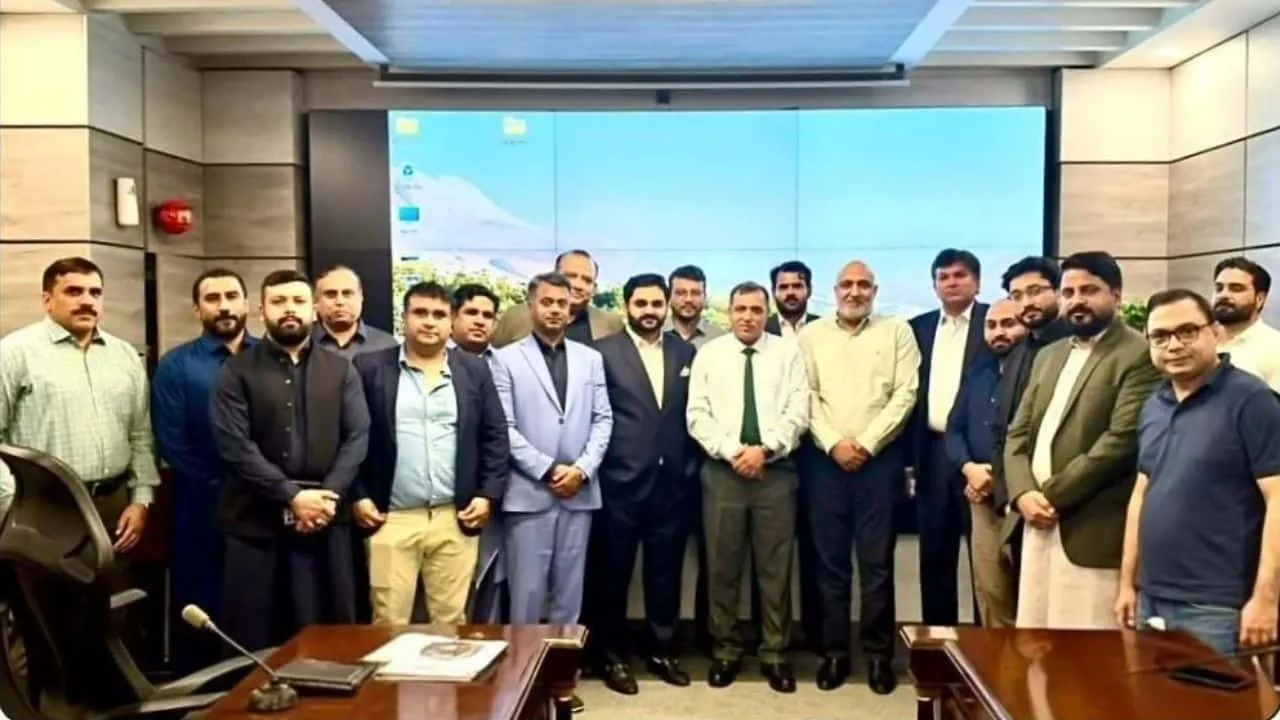
The Pakistan Telecommunication Authority (PTA) convened a meeting at its Islamabad headquarters with licensed Long Distance International (LDI), Fixed Local Loop (FLL) and Class Value Added Services (CVAS) operators. The session, chaired by Dr. Khawar Saddique Khokhar, PTA Member (Compliance & Enforcement), and attended by Director General Enforcement Amer Shahzad, aimed to tighten regulatory compliance and curb the unauthorized provision of internet services.
Industry representatives, led by Wavecomm, participated alongside operators such as HG Telecommunication, Dynasty Telecom, Connect Communication and several others. The gathering reflects growing concerns that unlicensed entities are exploiting bandwidth and resale channels, undermining the sector's orderly growth.
What Rules Were Reinforced for Licensed Operators?
PTA reminded LDI and FLL licensees that they may supply bandwidth, including configured packages, only to other PTA-licensed operators. They are prohibited from providing IP bandwidth, panel services, E1s, DPLCs or similar offerings to unlicensed entities or distributors.
In addition, PTA clarified that internet service bills and receipts must be issued by the relevant FLL or Class licensee. Internet Services Class Licensees are allowed to serve end users directly but cannot offer wholesale bandwidth for resale. These rules are intended to prevent a two-tier market where licensed operators sell wholesale capacity to illegal resellers.
How Does the District Class License Fit Into the Regulatory Framework?
The meeting highlighted the District Class License, which enables PEMRA cable operators and last-mile service providers to obtain bandwidth directly from FLL licensees. This license creates a legitimate pathway for smaller players to enter the licensed market without resorting to illegal channels.
By granting district-wise access, the regulator hopes to reduce the incentive for unlicensed operators to procure bandwidth through informal networks. The District Class License therefore acts as a bridge between large FLL holders and local service providers.
What Is the Nationwide Awareness Campaign?
During the meeting, a coalition of operators, including Wavcomm Pvt Ltd, HG Telecommunication Pvt. Ltd, Dynasty Telecom, Connect Communication, IN Cable Internet (Pvt) Ltd., One Click, Logon Broadband Pvt. Limited, Galaxy Technology, INSTACOM, Prime Networks and Broadband, Telecommunication & Technology Masters (Pvt) Ltd., WANCOM Pvt Ltd and Skynet Multi Services, agreed to launch a nationwide awareness campaign.
The campaign will inform illegal operators that they have two legal routes: obtain a district-wise CVAS license and operate as a legitimate telecom entity, or enter into a long-term partnership agreement with a local loop operator. No third option will be offered.
Once the campaign reaches all regions, any illegal operator that refuses both options will be reported to PTA by the participating licensed operators. This reporting is expected to trigger a coordinated enforcement operation involving law-enforcement agencies, with strict action against violators.
How Will PTA Facilitate the Transition to Legal Status?
PTA pledged to streamline the process for acquiring and activating a district-wise CVAS license. The authority said the licensing procedure will be made "significantly easier and faster" to bring the maximum number of operators under the regulatory framework.
This commitment includes reducing paperwork, shortening approval timelines and providing clear guidance on technical and financial requirements. By lowering barriers, PTA hopes to convert a large share of the informal market into compliant participants.
What Are the Expected Impacts on Consumers and the Telecom Sector?
Consumers stand to benefit from a more transparent market where service quality, pricing and consumer protection are enforced by law. Licensed operators will gain a level playing field, as illegal resellers will no longer undercut prices through unregulated bandwidth purchases.
The sector's growth trajectory is expected to improve, with increased investment confidence and reduced risk of service disruptions caused by unlicensed networks. Moreover, the enforcement drive will likely reduce fraud, improve billing accuracy and enhance overall network security.
What Are the Next Steps and How Can Stakeholders Stay Informed?
PTA has not announced a specific timeline for the completion of the awareness campaign, but the authority indicated that the rollout will be "nationwide" and "comprehensive." Operators are urged to cooperate with the campaign, disseminate licensing information locally and monitor compliance within their service areas.
Stakeholders should watch for official PTA notices, updates on the CVAS licensing portal and announcements from the participating operators about campaign milestones. Law-enforcement agencies will be briefed on reporting mechanisms for non-compliant operators.
In summary, the joint effort between PTA and licensed operators represents a coordinated approach to eliminate illegal internet provision, simplify licensing, and safeguard the sector's long-term health.