Punjab will construct a 295-kilometre motorway that will link Lahore, Sahiwal and Bahawalnagar, with an additional 18-kilometre connector to the Lahore Ring Road, federal Minister for Planning Ahsan Iqbal announced.
The project, approved in 2023, was originally budgeted at Rs263.79 billion. A recent October 2026 report shows the estimate has risen to Rs406.914 billion, reflecting higher construction prices. The revised figure is awaiting formal approval.
Why the Motorway Is Being Built
The motorway is a core component of the Energy and Infrastructure pillar of URAAN Pakistan, the government's economic transformation plan. URAAN aims to modernise transport, energy and digital networks to raise productivity and attract investment. By improving road capacity, the new route is expected to cut travel time between three of the province's most populous centres and open faster corridors for agricultural produce.
How the Project Fits Within the Public Sector Development Programme
URAAN's infrastructure projects are funded through the Public Sector Development Programme (PSDP), a multi-year budgeting framework that allocates resources to priority national and provincial initiatives. The motorway's inclusion in the PSDP signals that it will compete for annual allocations alongside other large-scale works such as the Karachi-Lahore railway upgrade and the China-Pakistan Economic Corridor road extensions.
Key Features of the Motorway and Link Road
The main alignment stretches 295 kilometres, running from Lahore in the east, through Sahiwal, to Bahawalnagar in the south-west. An 18-kilometre link road will join the Lahore Ring Road at Raja Jang Interchange and continue to Kasur, providing a direct connection for traffic heading toward the India border.
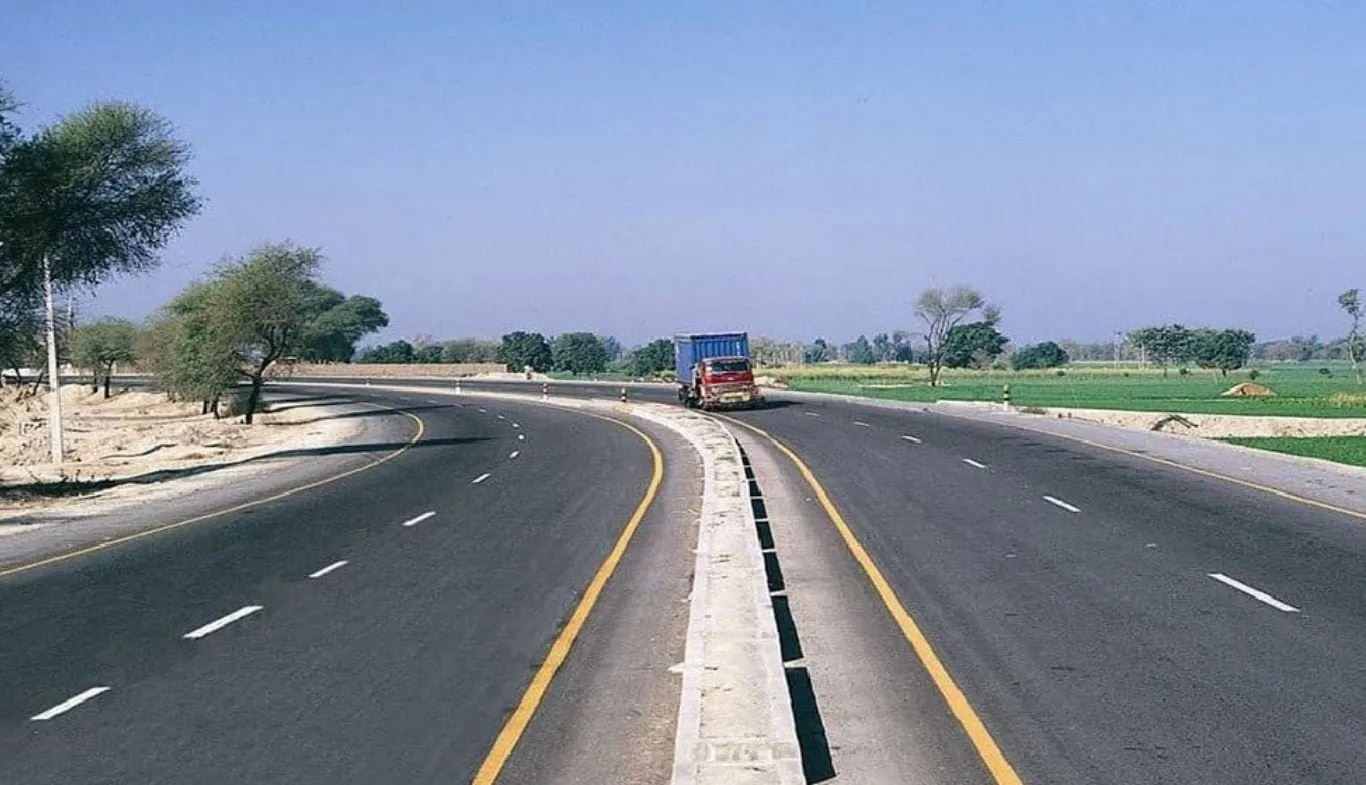
Design specifications call for a four-lane divided carriageway, full-width median, service lanes at major towns, and grade-separated interchanges at strategic points. The route will cross the Sutlej River and several irrigation canals, requiring a series of bridges and culverts built to modern safety standards.
Economic Impact on Agriculture and Trade
Punjab's economy relies heavily on agriculture, with wheat, rice and cotton forming the bulk of exports. The motorway will shorten the distance between farms in the Sahiwal and Bahawalnagar districts and processing hubs in Lahore, reducing haulage costs and spoilage risk. Faster movement of goods is expected to improve market price stability for farmers and lower consumer prices for staple foods.
Logistics firms anticipate a shift of freight from congested provincial roads to the new high-speed corridor. Preliminary estimates from the Ministry of Planning suggest a potential 12-percent increase in freight volume along the corridor within five years of completion.
Construction Timeline and Current Status
The groundbreaking ceremony took place in Kasur shortly after the 2023 approval. Since then, land acquisition has progressed in the Lahore-Sahiwal segment, while detailed engineering designs for the Bahawalnagar stretch are being finalised. The October 2026 cost revision reflects price escalations in cement, steel and diesel, as reported in project documents.
Pending approval of the revised budget, the next phase will involve tendering for the main civil works. The Ministry has indicated that contracts could be awarded in early 2027, with construction expected to span three to four years, subject to weather and supply-chain conditions.
Funding Sources and Financial Oversight
Initial funding was to come from a mix of federal allocations, provincial contributions and a modest loan package from the Asian Development Bank. The increased estimate may require additional borrowing or re-allocation of PSDP funds. The Ministry of Planning has pledged to submit a revised cost proposal to the federal cabinet by the end of the fiscal year.
Financial oversight will be conducted by the Public Accounts Committee, which will review quarterly progress reports, cost-control measures and compliance with environmental safeguards.
Environmental and Social Considerations
Environmental impact assessments (EIAs) were completed before the 2023 approval. The EIAs identified potential concerns regarding wildlife corridors, especially near the Sutlej wetlands, and recommended mitigation such as wildlife underpasses and re-vegetation of disturbed areas.
Social impact studies highlighted the need for resettlement of households along the proposed alignment. The government has committed to providing fair compensation, new housing units and livelihood assistance, in line with the National Resettlement Policy.
What Residents and Businesses Should Expect
Local commuters can anticipate reduced travel times once the motorway opens, with estimates of a 30-minute saving between Lahore and Sahiwal. Freight operators will benefit from smoother traffic flow and lower fuel consumption per kilometre.
Construction activity will generate temporary employment for engineers, labourers and ancillary services. The Ministry has announced a local hiring quota of 40 percent for the project's workforce.
Next Steps and What to Watch For
The immediate priority is approval of the Rs406.914 billion revised budget. After approval, the tendering process will begin, followed by the mobilisation of equipment and materials. Stakeholders should monitor announcements from the Ministry of Planning and the PSDP Secretariat for updates on contract awards and construction milestones.
Watch for quarterly progress reports that will detail land-acquisition status, environmental compliance and any further cost adjustments. The project's success will depend on timely funding, efficient procurement and adherence to the planned schedule.