Punjab Orders Inquiry Into 4,000+ Vehicle Transfers Using Fake Biometrics
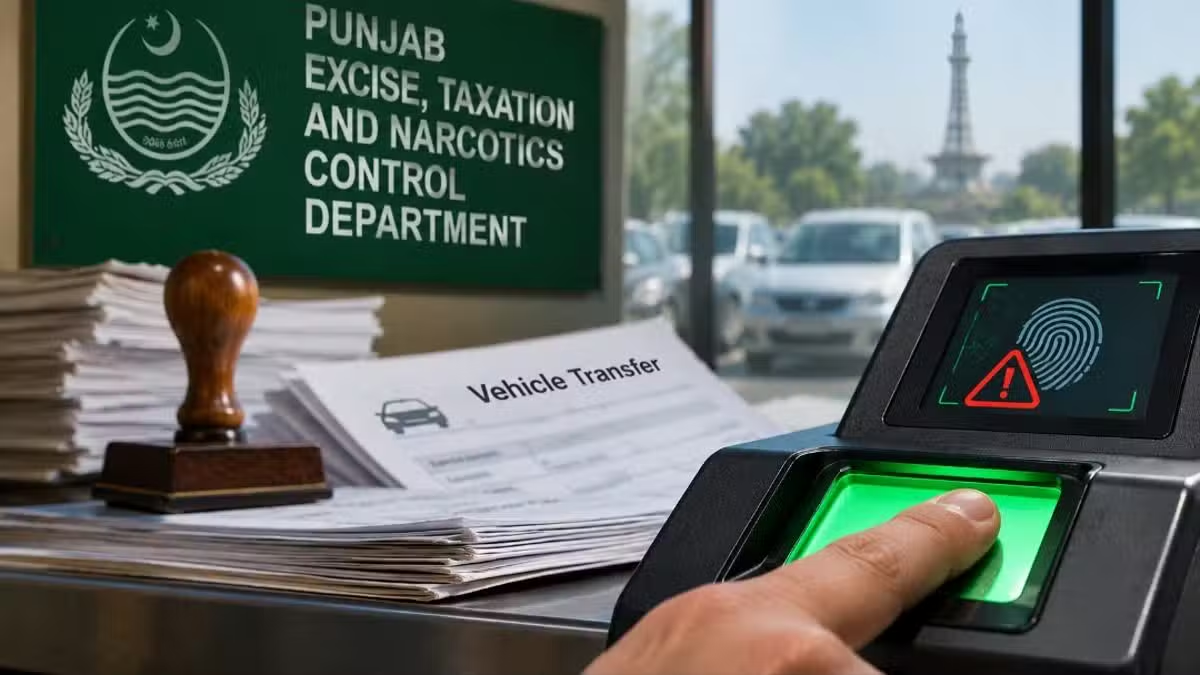
The Punjab Excise, Taxation and Narcotics Control Department has ordered an inquiry against 11 serving officers and officials over the alleged transfer of more than 4,000 vehicles using fake biometric verification. This major administrative action targets suspected corruption, procedural bypasses, and unauthorized ownership shifts that bypassed established regulatory frameworks within the provincial transport registry system.
According to a report, the case involves suspected financial irregularities, procedural violations and forged powers of attorney used in vehicle ownership transfers. The allegations emerged during audit inspections covering two periods in 2024, from January 1 to March 7 and March 8 to August 20. These routine audits uncovered massive discrepancies in how vehicle files were handled across regional offices.
Official Appointment and Disciplinary Framework
Secretary Excise Masood Mukhtar has appointed Director Muhammad Asif (BS-19) to lead the investigation under the Punjab Employees Efficiency, Discipline and Accountability (PEEDA) Act, 2006. Excise and Taxation Inspector Ghulam Mohyuddin of Region-C, Lahore, will serve as the departmental representative and provide relevant records.
The PEEDA Act, 2006, provides the legal basis for holding government employees accountable in the province of Punjab. It allows departments to suspend, penalize, or dismiss officials found guilty of corruption, inefficiency, or misconduct after a formal inquiry process. Director Muhammad Asif now bears the responsibility of reviewing audit logs, questioning the accused personnel, and determining the extent of official complicity in these unauthorized transactions.
Violations of Divisional Committee Standard Operating Procedures
The inquiry will examine allegations that several Motor Registering Authorities and Excise and Taxation Inspectors processed hundreds of ownership transfers without referring them to the Divisional Committee, in violation of standard operating procedures issued on March 7, 2024. These operating rules exist to prevent fraudulent sales and ensure that high-risk or disputed files receive proper administrative oversight.
Under these procedures, cases involving Alternative Dispute Resolution and designated ownership transfers required scrutiny and approval from the Divisional Committee. Bypassing this committee allowed individuals to move vehicle titles through the system without the mandatory checks intended to protect lawful owners from identity theft and property fraud.
Forged Foreign Ministry Powers of Attorney
The audit also identified cases in which officials allegedly processed vehicle transfers using forged powers of attorney purportedly issued by the Ministry of Foreign Affairs. These fraudulent documents often attempt to transfer ownership on behalf of overseas Pakistanis or individuals residing abroad without requiring their physical presence at an excise window.
Using fake stamps and counterfeit diplomatic authentication, the perpetrators managed to convince desk officers to execute transfers that should have triggered immediate security flags. Investigators will trace how these documents entered the system and whether internal staff actively participated in accepting invalid paperwork or simply failed to perform mandatory verification checks.
Scope of the 2024 Audit Inspections
The irregularities came to light following systematic audit inspections that spanned multiple months of the year 2024. Auditors split their review into two specific windows, examining files from January 1 to March 7 and subsequently from March 8 to August 20. This division captured practices both before and after the introduction of the March 7 standard operating procedures.
By analyzing thousands of files, audit teams discovered patterns of unauthorized approvals linked to specific Motor Registering Authorities and regional tax inspectors. The sheer volume of over 4,000 tainted transfers indicates a systematic breakdown in internal controls rather than isolated administrative errors.
Next Steps and Reporting Timeline
The inquiry officer has been directed to complete the proceedings and submit a detailed report with recommendations within 60 days. During this window, the appointed officials will gather evidence, interview the 11 targeted employees, and review all digital and physical records associated with the disputed vehicle files.
Once the report is finalized, the Secretary Excise will review the findings to determine specific penalties under the PEEDA Act, ranging from major administrative penalties to criminal referrals for individuals implicated in forgery and financial fraud. Citizens awaiting clarity on their vehicle documents must wait as the department audits the affected registry database.