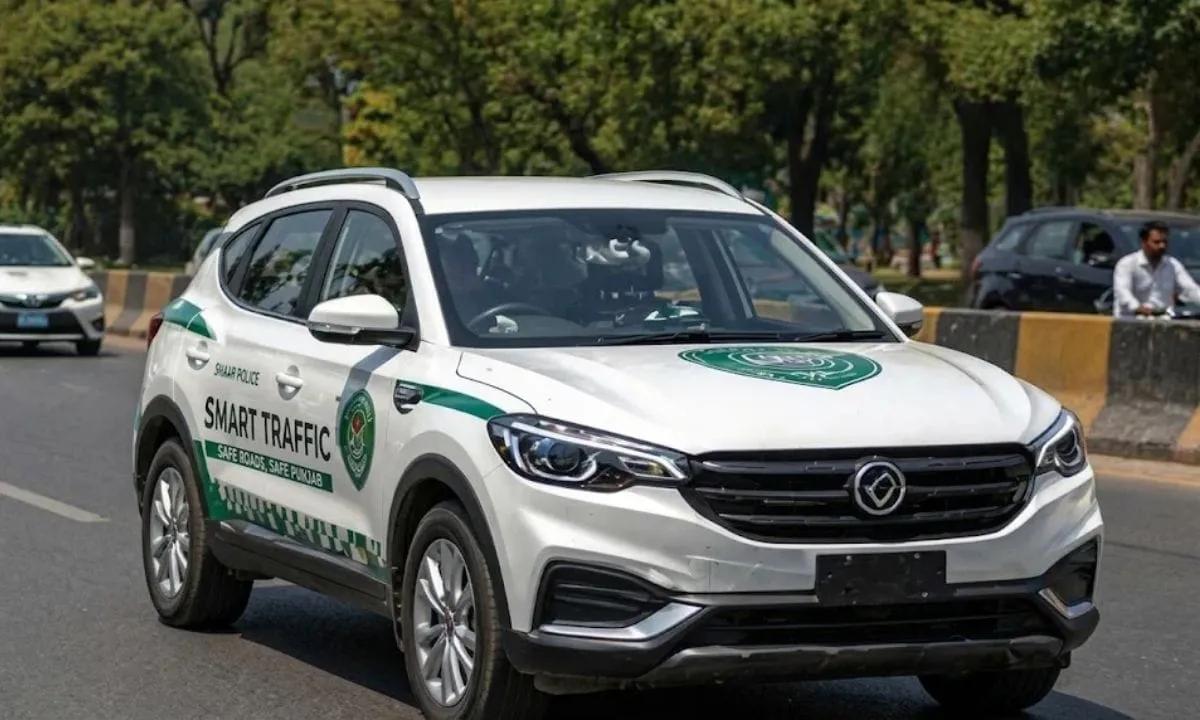
Punjab Plans 50 Police Eye Vans to Detect Vehicles With Unpaid E-Challans
The provincial government of Punjab has decided to purchase 50 Police Eye smart vans to identify vehicles with unpaid e-challans and to track proclaimed offenders. This initiative marks a major shift in how local authorities plan to enforce traffic laws and monitor public safety across the region. By introducing mobile surveillance units, law enforcement agencies hope to close enforcement gaps that static cameras and traditional patrols often miss.
Punjab Police requested Rs500 million from the government for the purchase. The Home Department returned the summary to the provincial government after the objections raised on it were addressed. Financial allocation and administrative approvals are moving through the final stages before full implementation begins across the province.
How the Police Eye Vans Work
Each van will carry a 360-degree camera that detects defaulter vehicles and proclaimed offenders and triggers an immediate alert. The vans will be linked to the Safe City system. This integration allows real-time data sharing between mobile units and central command databases, ensuring that law enforcement officers on the ground receive instant notifications when a flagged vehicle passes by.
The camera can monitor the movement of vehicles and people within a 100-kilometer range, and an alert will also be issued for overloaded vehicles. This extended range enables the technology to cover large swathes of roadway and urban sectors, identifying targets long before they approach a physical checkpoint.
Deployment and Operational Strategy
The vans will be deployed on main highways and in public places. Police officials said the system will also help save fuel by reducing the need for constant random patrols, targeting only those vehicles flagged by the system. Additional Inspector-General Logistics Fawaduddin Qureshi will supervise the preparation of the vans, ensuring that equipment meets all technical and operational requirements.
Officials said each vehicle, including accessories, will cost Rs11 million. This unit cost reflects the specialized hardware, including high-resolution 360-degree cameras, onboard processing units, and secure communication links necessary for integration with existing security architecture.
Distribution Across Districts and Model Roads
Once the Chief Minister approves the project, one to three vans will be provided to every district in Punjab except Lahore, where they will monitor model roads. Concentrating multiple units on model roads in Lahore allows authorities to test the high-density traffic applications of the technology in a controlled urban environment.
Police officials said the project will improve traffic management and assist in the arrest of proclaimed offenders. By automating the detection of unpaid fines and wanted individuals, the department expects compliance rates to rise significantly as motorists realize the reach of the new mobile monitoring network.
Background on E-Challan Systems and Traffic Enforcement
The enforcement of traffic laws through digital means has evolved rapidly over recent years. Traditional methods relied entirely on manual ticketing by officers stationed at intersections, which often led to congestion, disputes, and limited coverage. Automated cameras introduced an initial layer of digital oversight, but drivers frequently accumulated unpaid fines without immediate consequences if they avoided fixed camera zones.
Mobile surveillance units bridge the gap between static infrastructure and dynamic patrol needs. Similar intelligent transport systems implemented in major urban centers globally have demonstrated success in identifying repeat traffic violators and unregistered vehicles. The incorporation of Safe City network links ensures that these mobile units operate as an extension of a broader, centralized intelligence apparatus.
Financial and Administrative Oversight
Securing funding for large technology projects requires rigorous review by provincial departments. The allocation of Rs500 million underwent scrutiny by the Home Department, which raised specific administrative and financial questions before clearing the proposal. Addressing these objections ensured that the procurement plan aligns with government financial regulations.
Supervision by senior officers like Additional Inspector-General Logistics Fawaduddin Qureshi provides institutional accountability. The careful breakdown of costs, at Rs11 million per fully equipped vehicle, indicates a detailed budgeting process that accounts for both the base transport and specialized surveillance accessories required for field operations.
Expected Impact on Public Safety and Compliance
Beyond catching financial defaulters, the tracking of proclaimed offenders addresses broader security concerns. Vehicles used in criminal activities often match the profiles of cars with irregular documentation or unpaid penalties. By screening license plates continuously against criminal databases, the vans serve a dual purpose of traffic regulation and crime prevention.
Motorists across Punjab will need to adjust to mobile enforcement units capable of scanning traffic flows in real time. As the rollout progresses from district allocations to specialized highway deployments, the visibility of these smart vans will serve as a constant reminder of automated oversight on major transport corridors.