Rawalpindi Kahuta Electric Bus Route Controversy
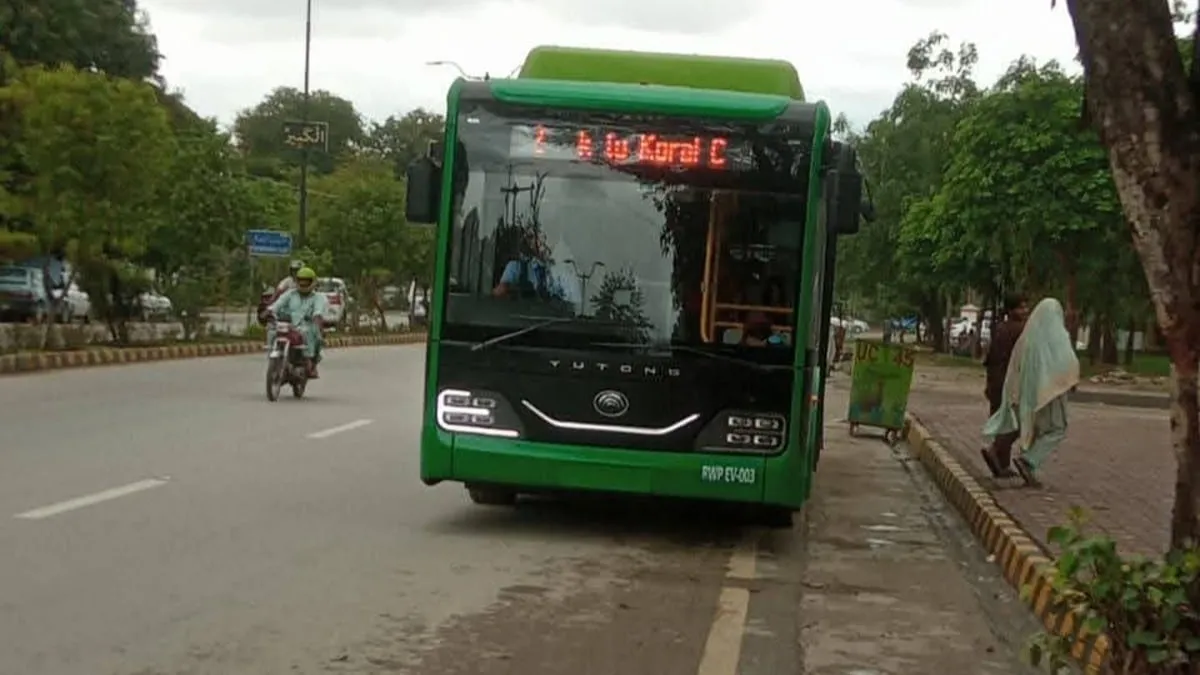
The Green Electric Bus Service planned for the Rawalpindi-Kahuta route will operate only up to Fauji Foundation Hospital, a decision that has sparked opposition from local residents. Public dissatisfaction centres on the limitation of the transit path, which cuts short the anticipated commute for daily travelers moving between the suburban areas and the urban core of Rawalpindi.
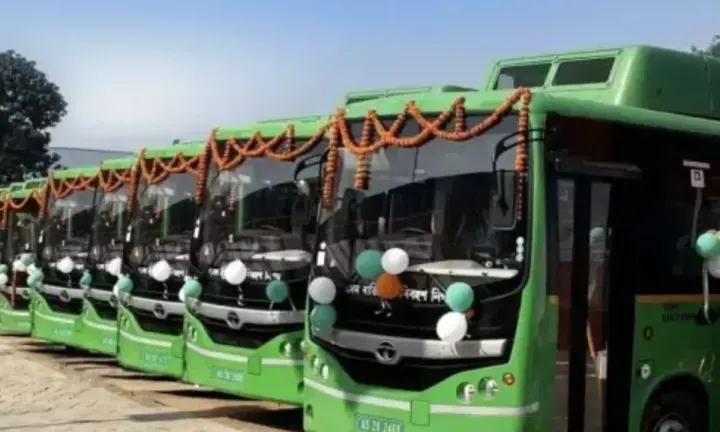
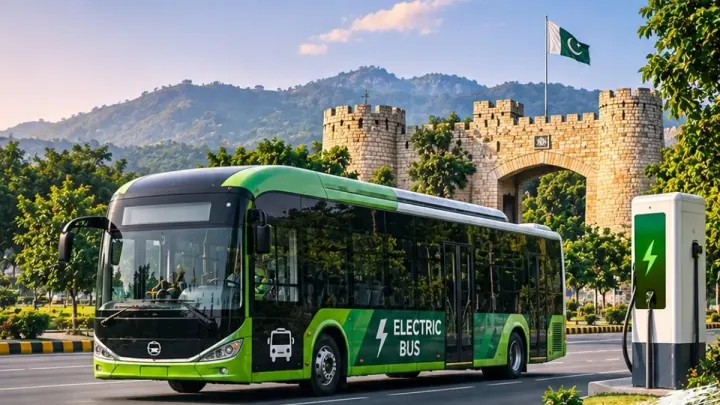
Punjab Chief Minister Maryam Nawaz has approved 13 electric buses for the Rawalpindi-Kahuta route under the Green Electric Bus Service project. The service is expected to begin soon. This initiative forms part of a broader push to modernize public transport, reduce carbon emissions, and introduce cleaner energy vehicles to regional roadways in Punjab.
Why Residents Oppose the Fauji Foundation Hospital Bus Terminus
Passengers traveling from Kahuta will have to pay an additional fare to reach Raja Bazaar or Saddar from Fauji Foundation Hospital. Because the designated drop-off point sits miles away from the major commercial and educational hubs of Rawalpindi, commuters face broken journeys and higher total travel costs.
Residents have announced plans to protest against the route, arguing that extending the electric bus service to Gordon College on Liaquat Road would provide better transport facilities at a fare of just Rs. 50. They say the current route benefits private coaster operators at the expense of passengers, while extending the service would make travel more affordable.
Impact on Private Coaster Services and Fares
The route restriction will maintain the existing private coaster service between Gordon College in Rawalpindi and Kahuta, which charges passengers Rs. 230 for a one-way journey. For years, commuters on this corridor have relied exclusively on privately operated wagons and coasters to bridge the distance between the mountainous Tehsil of Kahuta and downtown Rawalpindi.
Local commuters argue that keeping the electric buses from reaching Gordon College deliberately protects the commercial interests of private transport operators. While the subsidized electric buses promise a cheaper ride, forcing passengers to disembark at Fauji Foundation Hospital means they must board secondary transport to complete their trips, neutralizing much of the intended financial relief.
Background of the Green Electric Bus Service in Punjab
Urban and regional transit systems in Punjab have undergone significant policy reviews in recent years, with provincial authorities exploring electric mobility to curb rising fuel imports and urban pollution. The introduction of battery-powered buses represents a shift away from traditional diesel fleets that dominate intercity and suburban routes across Pakistan.
Planning for electric vehicle integration involves balancing municipal budgets, charging infrastructure installation, and franchise agreements with transport operators. Provincial leaders have prioritized high-density corridors for zero-emission bus deployments, though suburban extensions often face logistical hurdles regarding depot locations, grid capacity, and road readiness.
Understanding the Rawalpindi to Kahuta Transport Corridor
Kahuta operates as a vital administrative and residential tehsil connected to Rawalpindi by winding roadways that handle heavy daily traffic consisting of private cars, delivery trucks, and passenger vans. Workers, students, and traders travel this highway every morning to reach offices, colleges, and markets in central Rawalpindi.
Key transit nodes along this path include residential neighborhoods, medical centers, and historical educational institutions like Gordon College situated near Liaquat Road. Navigating these congested urban arteries requires coordinated traffic management, making the terminus location of any large-scale bus project a critical factor for city planners and daily riders alike.
What Comes Next for the Protest and the Bus Project
As community leaders organize demonstrations against the truncated bus route, provincial transport officials face mounting pressure to revise the operational parameters before the fleet officially rolls out. Observers will watch whether the Punjab government adjusts the final terminus to include Liaquat Road or proceeds with the Fauji Foundation Hospital endpoint despite public pushback.
Commuters in Kahuta intend to press forward with their demands for direct connectivity to Gordon College at the lower proposed fare structure. Further announcements from the transport department are expected prior to the official launch date of the 13-vehicle electric fleet.