Rawalpindi AFIC Underpass Project Awaits Punjab Government Approval
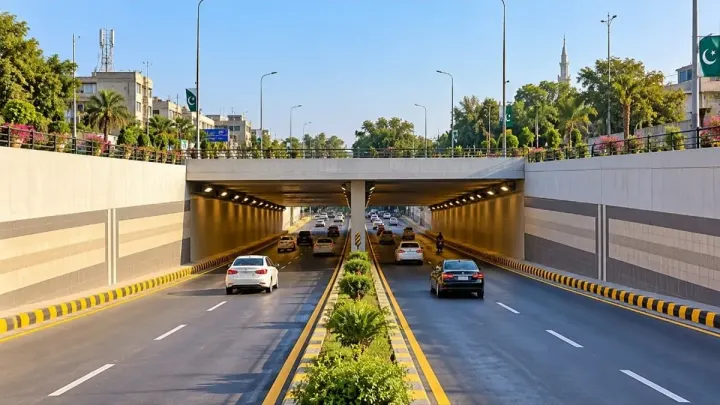
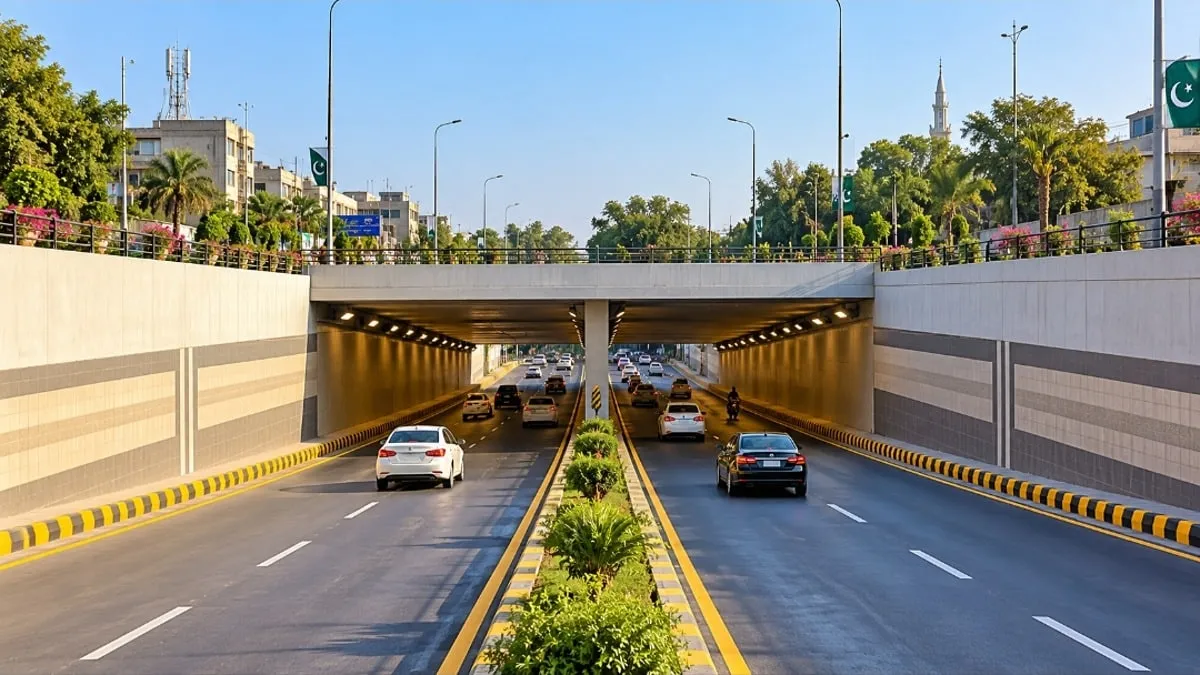
The Punjab Highway Department has completed the design and PC-I documentation for a proposed underpass situated outside the Armed Forces Institute of Cardiology on The Mall in Rawalpindi. Project planners are now awaiting formal clearance from the provincial government to move forward with construction. The department has estimated the total financial cost of this infrastructure undertaking at Rs. 3 billion. A senior district administration official stated that all necessary paperwork has been finalized, allowing contractors and engineers to break ground as soon as the Punjab government grants official project approval.
This initiative forms a vital component of a larger regional transportation strategy managed by provincial authorities. The broader plan seeks to establish a completely signal-free transit corridor stretching between Koral Chowk and Motorway Chowk. Government planners project that this continuous roadway will reduce daily travel times between the Islamabad Expressway and Motorway Chowk down to 15 to 20 minutes for motorists. Traffic congestion along this busy urban route has long frustrated commuters, making high-capacity corridors an urgent priority for regional planners.
Details of the Proposed AFIC Underpass Construction Timeline
According to the district administration official, actual physical construction on the AFIC underpass could take two to three months to complete once provincial authorities grant approval next month. The Punjab Highway Department has scheduled the start of this specific project to coincide with the completion of other ongoing infrastructure works nearby. Specifically, construction on the AFIC underpass will begin soon after work concludes on the Race Course Park and Charing Cross underpasses. Sequencing these projects helps minimize simultaneous road closures and traffic bottlenecks across the city.
Urban transit projects of this magnitude require careful logistical planning and coordination among multiple municipal and provincial bodies. The timeline relies heavily on timely financial sanction and bureaucratic sign-off from the provincial capital in Lahore. Contractors have their equipment and workforce allocations mapped out to ensure rapid deployment once the green light is given. Local businesses and daily commuters along The Mall are bracing for temporary disruptions once the heavy machinery moves into the area.
Coordination Among Multiple Government Departments
Managing a major infrastructure undertaking spanning a 25-kilometer corridor requires a division of labor among several distinct government agencies. Three separate public sector departments are currently working on different sections of this massive transit overhaul. The National Highway Authority is handling the rehabilitation of the road section situated between Motorway Chowk and Chur Chowk. Meanwhile, the Punjab Highway Department holds responsibility for constructing the crucial underpasses located at Race Course Park, Charing Cross, and the Armed Forces Institute of Cardiology.
In addition to these highway and underpass projects, local urban development bodies are upgrading supporting feeder roads. The Rawalpindi Development Authority has formulated plans to rehabilitate Old Airport Road in the segment stretching between Koral Chowk and Ammar Chowk. This multi-agency approach ensures that every segment of the broader transportation network receives specialized attention from the appropriate administrative level. Citizens traveling through Rawalpindi and the surrounding garrison areas will encounter various construction zones as these synchronized public works projects advance toward completion.
Economic and Commuter Impact of the Signal-Free Corridor
The creation of a signal-free corridor between Koral Chowk and Motorway Chowk addresses chronic transportation delays that impact thousands of private vehicle owners, public transport passengers, and commercial freight operators every day. Reducing transit times to a 15 to 20 minute window across this 25-kilometer stretch will lower fuel consumption and vehicular wear and tear for daily commuters. Medical staff, patients, and visitors traveling to healthcare facilities such as the Armed Forces Institute of Cardiology will benefit from smoother traffic flow and reduced emergency transit times once the underpass opens.
Infrastructure investments of this scale also stimulate local economic activity by employing construction workers, engineers, and material suppliers from the region. Real estate values and commercial accessibility near major intersections often experience positive adjustments following the completion of grade-separated interchanges and underpasses. However, the immediate phase of construction inevitably brings temporary traffic diversions, dust, and restricted access to storefronts along the alignment. Authorities attempt to mitigate these disruptions through phased engineering schedules, though motorists are consistently advised to plan alternative routes during peak construction windows.
Understanding the PC-I Planning Process
In the public administration framework of Pakistan, the Planning Commission Form-I, commonly known as PC-I, represents the foundational document required for any public sector development project. Before funds can be allocated from the provincial treasury, government departments must submit a comprehensive PC-I detailing the engineering design, cost estimates, environmental assessments, and socio-economic justifications. The completion of the PC-I for the AFIC underpass signifies that the Punjab Highway Department has finished all preliminary feasibility studies and architectural drawings necessary for financial scrutiny.
Once the provincial government reviews the PC-I and verifies the estimated expenditure of Rs. 3 billion, the project receives formal inclusion in the annual development program. This bureaucratic milestone unlocks the budget lines required to issue tenders, award contracts to construction firms, and procure raw materials like cement and steel. Citizens following infrastructure news watch the transition from PC-I submission to actual ground-level implementation as the definitive measure of administrative progress. The upcoming month will reveal whether the provincial executive committee grants the final endorsement required to start excavation on The Mall.
What Watchers and Commuters Should Monitor Next
As the project sits awaiting final authorization from the Punjab government, several key developments will signal the next phase of the AFIC underpass undertaking. Commuters should monitor announcements from the district administration regarding official approval dates and subsequent traffic diversion plans along The Mall. Observers will also track the pace of work at the ongoing Race Course Park and Charing Cross underpass sites, since completion of those projects directly triggers the deployment of machinery to the AFIC location. Staying informed about scheduled road closures will help residents minimize daily travel delays while this major transit upgrade moves forward.