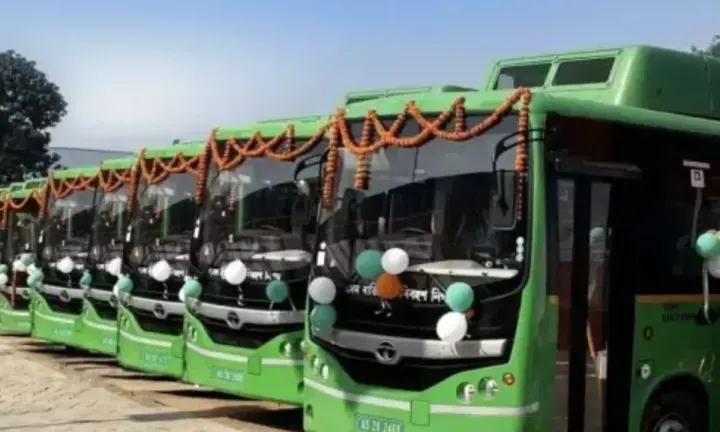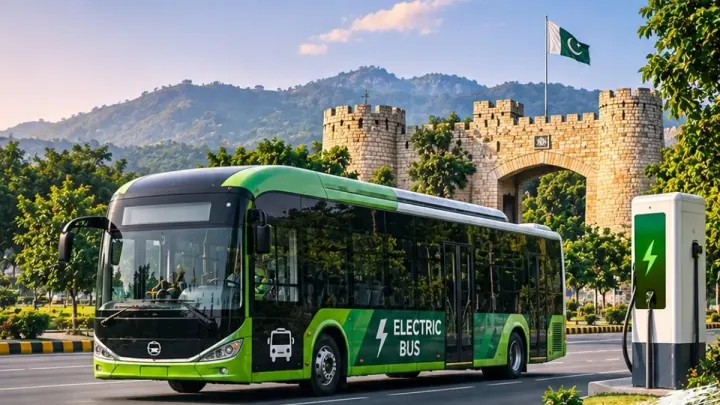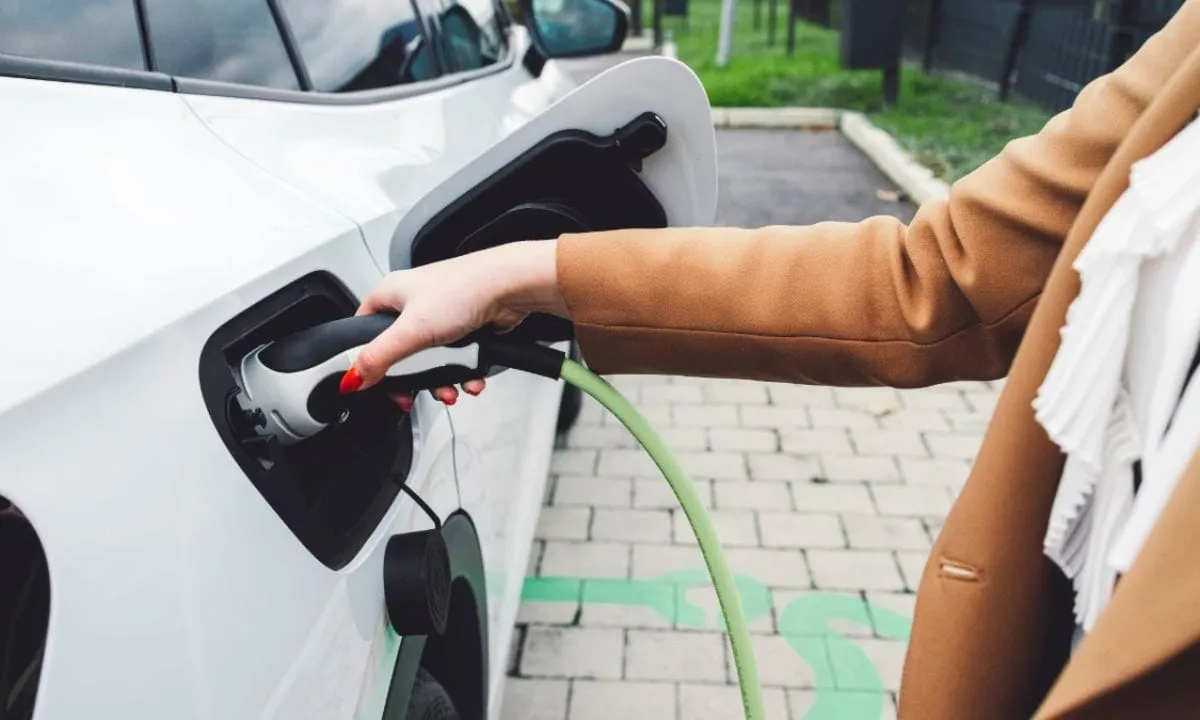
In a move aimed at cutting public spending and improving air quality, the provincial government of Sindh approved a phased transition from fuel-powered to electric vehicles for all government departments.
The decision was taken at a meeting of the Cabinet Committee on Austerity, chaired by Senior Provincial Minister Sharjeel Inam Memon in Karachi on Friday. EVs will be given preference in all new purchases of government vehicles.
What Prompted Sindh to Target Its Vehicle Fleet?
Sindh, Pakistan's second-largest province, has long struggled with high fuel subsidies, rising diesel prices and deteriorating urban air quality. According to the Pakistan Energy Yearbook 2023, transport accounts for roughly 30 % of the province's total fuel consumption. The provincial budget has repeatedly highlighted the fiscal strain of fuel-related expenditures, prompting officials to explore alternatives that can deliver long-term savings.
Nationally, the federal government introduced the "National Electric Vehicle Policy" in 2022, offering tax incentives and reduced customs duties for EV imports. Sindh's decision aligns with that policy and reflects a growing trend among sub-national governments in South Asia to adopt cleaner mobility solutions.
Which Departments Are First to Receive New Electric Vehicles?
The cabinet meeting also approved the purchase of new vehicles for the Home Department, Anti-Corruption Establishment, Establishment Department, and Universities and Boards Department. These ministries were chosen because they operate large fleets for routine patrols, administrative travel and emergency response, making them ideal pilots for the new procurement strategy.
Each department will submit a detailed procurement plan to the Sindh Public Procurement Authority (SPPA) outlining the number of EVs required, expected usage patterns and charging infrastructure needs. The SPPA will ensure compliance with the provincial procurement rules and the broader national EV policy.
How Will the Transition Be Implemented?
Senior Provincial Minister Sharjeel Inam Memon explained that the shift will be gradual, allowing time for charging infrastructure to be installed across government facilities. "The future belongs to electric vehicles, and the government wants public institutions to reduce their dependence on fuel," he said.
Key steps include:
- Conducting an audit of the existing fleet to identify vehicles due for replacement.
- Partnering with private charging-station operators to set up fast-charge points at provincial secretariat complexes, university campuses and district offices.
- Negotiating bulk purchase agreements with EV manufacturers that meet the Sindh Technical Standards for safety and performance.
- Training drivers and fleet managers on EV operation, maintenance and safety protocols.
The phased approach is intended to "ease the burden of fuel costs on the provincial exchequer and lower the day-to-day operational expenses of government departments," Memon added.
What Are the Expected Financial Benefits?
Electric vehicles have a higher upfront cost but lower operating expenses. According to a 2022 study by the International Council on Clean Transportation, the total cost of ownership for a typical midsize EV in Pakistan is about 30 % lower over a five-year period compared with a diesel counterpart, primarily because of reduced fuel and maintenance costs.
For Sindh, the savings could be substantial. The province spends an estimated Rs. 1.6 billion annually on fuel for government vehicles. A 20 % reduction in fuel consumption, achievable with a 30-percent fleet conversion, would save roughly Rs. 320 million per year. Those funds could be redirected to health, education or further climate-mitigation projects.
Environmental Impact and Air-Quality Gains
Local air quality has been a growing concern in Karachi, Hyderabad and Sukkur. Sindh Minister for Local Government Nasir Hussain Shah noted that emissions from conventional vehicles were adversely affecting the urban environment and air quality. Replacing internal-combustion engines with electric drivetrains eliminates tailpipe pollutants such as nitrogen oxides (NOx) and particulate matter (PM2.5), both linked to respiratory illnesses.
Modeling by the Sindh Environmental Protection Agency suggests that a 30-percent shift in the government fleet could cut city-wide vehicular emissions by up to 5 % within three years, contributing to the province's commitment under the Pakistan Climate Change Act to reduce greenhouse-gas emissions by 20 % by 2030.
Challenges and Infrastructure Needs
Despite the clear benefits, the transition faces practical hurdles. The current charging network in Sindh is limited to a few commercial stations in Karachi and a handful of private installations. To address this, the provincial government has announced a parallel initiative to expand public charging infrastructure, leveraging federal incentives and private-sector investment.
Another challenge is the availability of EV models that meet the specific requirements of government use, such as high payload capacity for police patrols or ambulance services. The procurement guidelines will therefore prioritize vehicles that can be retrofitted with necessary equipment while still delivering the expected range.
What Comes Next for the EV Roll-Out?
The cabinet has set a timeline of three years for the initial phase, during which at least 30 % of the targeted departments' fleets will be replaced. Quarterly progress reports will be submitted to the Chief Minister's Office and made publicly available on the Sindh government portal.
Stakeholders are advised to monitor the following milestones:
- Finalization of the EV procurement framework by the SPPA (expected Q1 2027).
- Signing of the first bulk purchase agreement with an approved manufacturer (expected Q2 2027).
- Installation of charging stations at the Sindh Secretariat and major university campuses (expected Q3 2027).
- First delivery of EVs to the Home Department and Anti-Corruption Establishment (expected Q4 2027).
Beyond the initial three-year window, the government plans to review the program's performance, assess cost savings and expand the EV mandate to additional departments, including the health sector and municipal transport services.
Practical Takeaways for Citizens and Businesses
For residents of Sindh, the shift promises cleaner streets and reduced noise pollution, especially in densely populated urban centers. Businesses that supply charging equipment, battery maintenance services or EV parts may see new market opportunities as the government's procurement volume grows.
For private fleet operators, the provincial policy signals a broader national trend toward electrification, encouraging early adoption to stay competitive in future tenders that may favor low-emission vehicles.
Overall, the Sindh government's decision reflects a strategic blend of fiscal prudence and environmental stewardship, setting a precedent for other provinces to follow.