Sindh Education Department Issues Strict Safety Rules for School Vans
The Sindh Education Department has issued strict safety directives for private schools, banning CNG and LPG cylinders in all vehicles used to transport students. Issued on the instructions of the provincial education minister, the directives apply to school vans arranged by educational institutions as well as those hired directly by parents. These measures aim to protect children during their daily commutes to and from educational facilities across the province.
The department has also prohibited the use of bottles, cans, or other makeshift containers to supply petrol directly to vehicle engines instead of using designated fuel tanks, citing serious safety risks. Transport safety has long remained a critical concern for families and local authorities, prompting officials to enact these mandatory regulations. School administrators must now review their transport arrangements and ensure that every vehicle complies with the updated legal standards.
Understanding the Ban on CNG and LPG Cylinders in Student Transport
Compressed natural gas and liquefied petroleum gas cylinders installed in passenger vehicles often pose severe hazards if they lack proper certification or maintenance. Many transport operators use these alternative fuels to cut operational costs, but substandard installations frequently lead to accidents. By outlawing these fuel systems in student transport, the education ministry seeks to eliminate a major source of potential danger for children. Vehicle owners must transition to approved fuel configurations or replace noncompliant vans entirely.
The prohibition extends across all educational transport sectors in Sindh. Private schools that coordinate bus fleets or van services must verify that their contractors adhere strictly to the fuel restrictions. Parents who independently hire transport providers must also confirm that the vehicles do not use prohibited gas cylinders. Local authorities plan to monitor compliance closely to protect students from preventable hazards.
Prohibition of Makeshift Fuel Systems and Petrol Bottles
In addition to banning gas cylinders, the recent directives target improvised fuel delivery methods within motor vehicles. The department explicitly prohibited the use of bottles, cans, or other makeshift containers to supply petrol directly to vehicle engines instead of using designated fuel tanks. Officials cited serious safety risks associated with storing volatile fuel inside passenger cabins or engine compartments without proper housing.
Makeshift fuel setups often cause engine fires and fuel leaks, endangering the lives of everyone on board. Drivers sometimes resort to these temporary fixes when primary fuel lines fail, ignoring the extreme danger involved. The new regulations make it clear that any vehicle using unapproved fuel containers will face immediate penalties and restrictions from operating on public roads.
Enforcing Seating Capacity and Safe Passenger Behavior
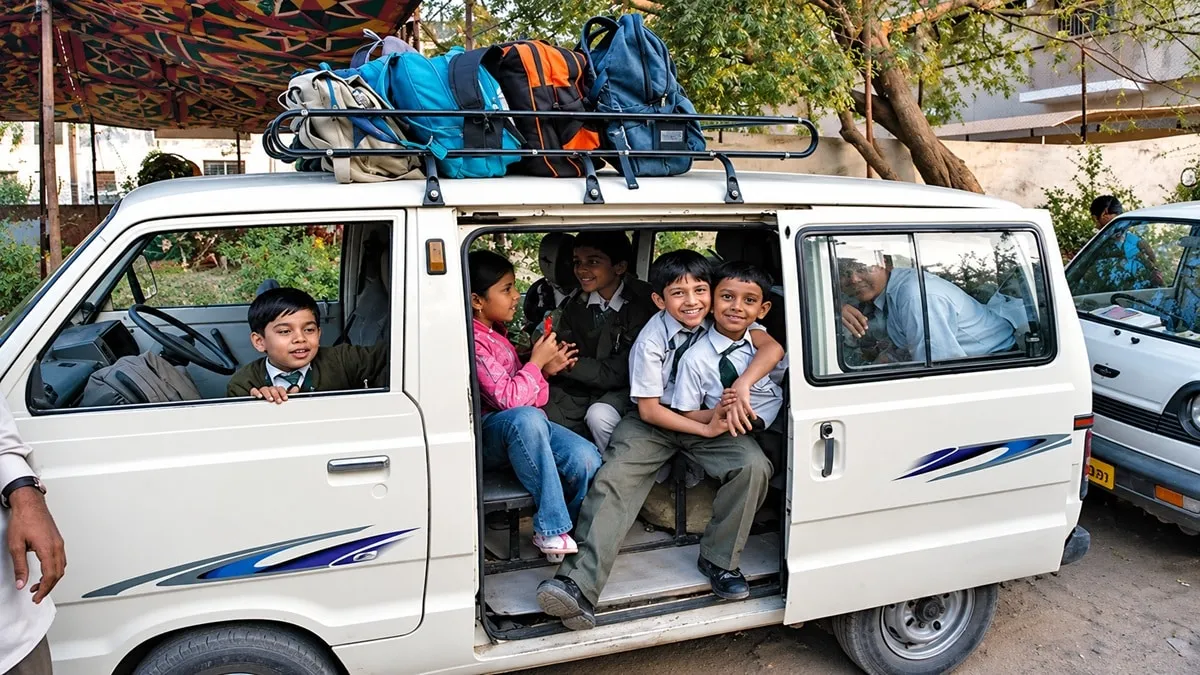
Under the new rules, school vans must not exceed their authorized seating capacity, while students cannot travel on footboards, hang from moving vehicles, or sit or stand in unsafe positions. Overcrowding remains a persistent issue on many urban and rural routes, where operators squeeze dozens of children into small compartments. This practice compromises vehicle stability and increases the risk of severe injuries during sudden stops or collisions.
Drivers and school monitors must maintain strict discipline inside the transport vehicles at all times. Children must remain seated properly throughout the journey. Schools bear the responsibility of educating students and staff about these behavioral expectations, ensuring that no child rides in an exposed or hazardous position.
Mandatory Fitness Certificates from the Sindh Transport Department
All vehicles transporting students must also have valid fitness certificates issued by the Sindh Transport Department, with a copy kept inside the vehicle for inspection. These certificates verify that the mechanical components, brakes, steering, and tires meet the required safety standards for public transport. Inspectors can demand to view these documents at any time during routine checks or school visits.
Transport operators must submit their vehicles for regular testing and maintenance to secure these official documents. Keeping a physical copy inside the vehicle ensures that law enforcement and school officials can verify compliance instantly. Operators who fail to secure or display valid fitness certificates will face strict legal consequences under provincial transport laws.
Accountability and Penalties for Private School Administrations
Private schools have been directed to ensure compliance with these requirements and all relevant laws. The department warned that violations or negligence would result in action against the responsible school administrations under applicable rules. Educational institutions can no longer distance themselves from transport safety issues by shifting total blame to third-party drivers or contractors.
School boards must establish oversight mechanisms to inspect vehicles regularly and review driver credentials. By holding school leadership accountable, the government intends to drive systemic improvements in student transportation practices across the entire region. Administrators who ignore these directives risk facing official sanctions, fines, or other disciplinary measures from education regulators.