Sindh Government Approves Karachi Encroachment Removal Operation
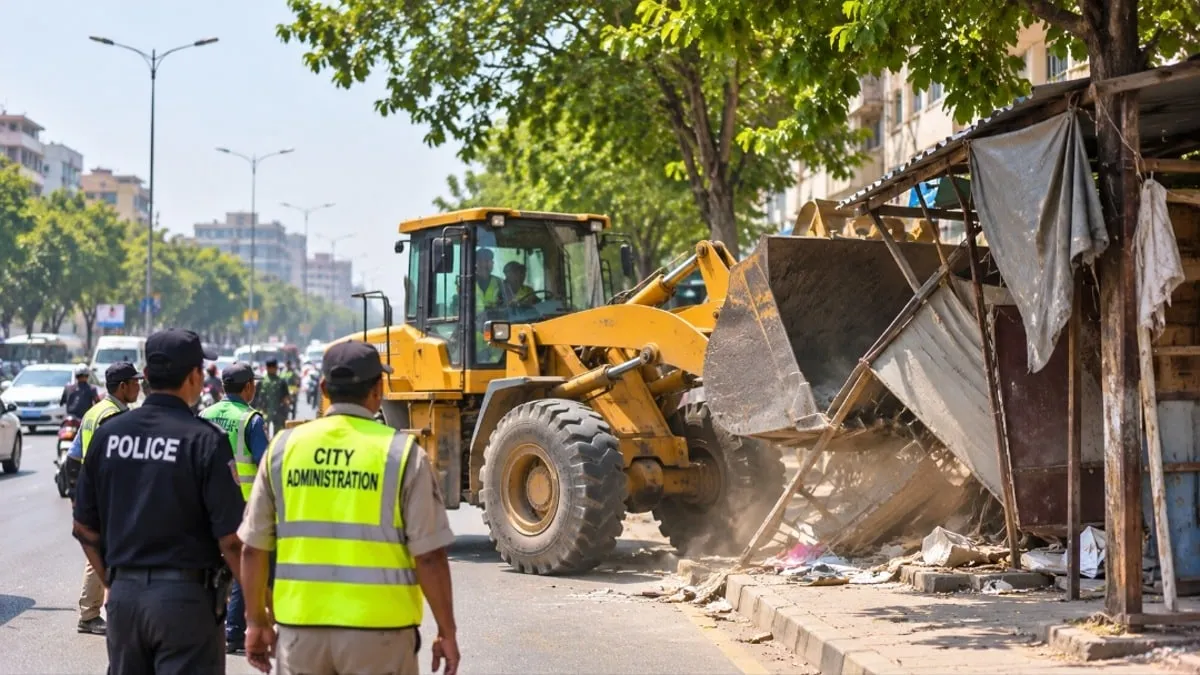
The Sindh government has decided to launch a large-scale operation to remove encroachments from major roads and public transport routes across Karachi.
This initiative targets illegal structures, unauthorized roadside businesses, and makeshift stalls that have steadily occupied public land over the years. By reclaiming these thoroughfares, provincial authorities intend to restore order to the transport network of the largest metropolitan area in the country.
Priority Locations for the First Phase of Clearance
The decision came during a meeting chaired by Senior Minister Sharjeel Inam Memon on Thursday, with University Road and routes served by the People's Bus Service among the priority locations for the first phase.
University Road serves as a critical artery connecting numerous educational institutions, residential neighborhoods, and commercial zones, making traffic congestion a daily challenge for thousands of commuters. Meanwhile, the People's Bus Service relies on predictable transit corridors to maintain schedule integrity, which becomes nearly impossible when lanes are blocked by stationary obstacles and unauthorized vendors.
Coordination Between Police, Administration, and Transport Department
Police, the city administration and the transport department will jointly remove illegal structures and obstructions that disrupt traffic flow and public transport services. The government will also relocate illegal bus terminals, including the one at Sohrab Goth, to locations outside the city.
This multi-agency approach brings together municipal authorities who understand local land use, police forces responsible for maintaining public order, and transport planners who oversee commuter safety. By synchronizing their mandates, the provincial administration expects to bypass traditional bureaucratic delays that often stall municipal enforcement.
Impact on Commuters, Traffic, and Fuel Costs
Memon said road encroachments and illegal bus terminals created difficulties for commuters, disrupted traffic and increased fuel costs. He directed the relevant departments to coordinate their efforts and take action against illegal occupations.
When public roads shrink due to unauthorized construction or parked buses, vehicular speeds drop to a crawl during peak commuting hours. This constant stopping and idling burns excess fuel, imposing a heavy financial burden on daily commuters and commercial transport operators alike.
Future Infrastructure Plans and Modern Terminals
The meeting also discussed plans to establish modern bus terminals outside Karachi through public-private partnerships, expand the Karachi Bus Terminal and accelerate work on a proposed logistics park.
Public-private partnerships allow municipal bodies to leverage private capital and operational expertise to construct high-standard transport hubs. Shifting heavy bus operations to the urban periphery will reduce the volume of large commercial vehicles entering central districts daily.
Background on Urban Transit Challenges in Karachi
Karachi has experienced rapid population growth and urban sprawl over recent decades, outpacing the expansion of formal transport infrastructure. Informal settlements and commercial encroachments frequently sprout along newly paved roads, gradually narrowing available lanes and frustrating urban planners.
Previous clearance efforts have faced resistance from displaced traders and transport operators who lack alternative spaces to conduct business. To address this root cause, current administrative strategies emphasize the simultaneous development of dedicated terminals outside residential zones.
Understanding the People's Bus Service and Transit Corridors
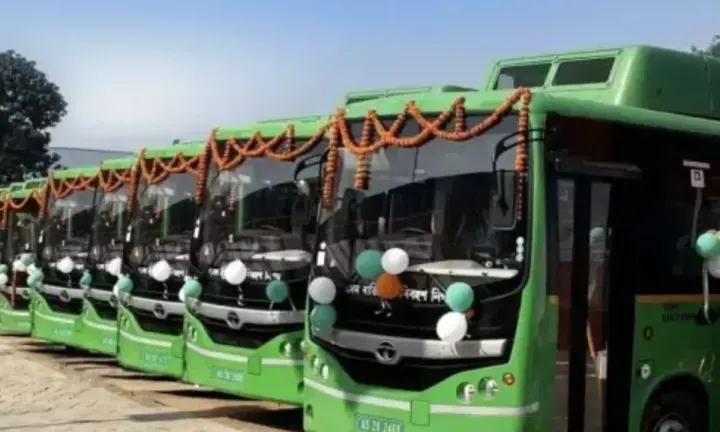
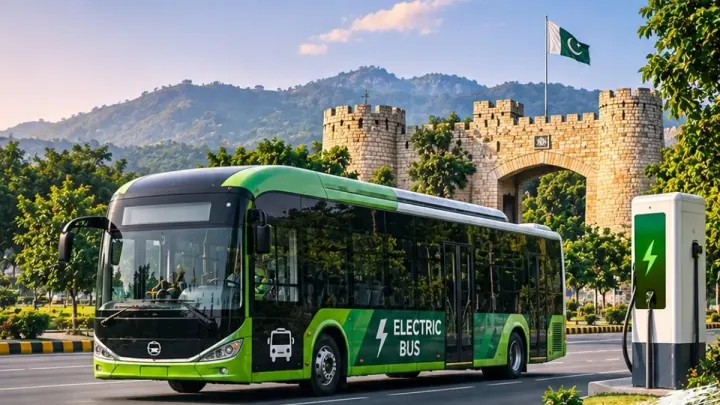
The People's Bus Service is a public transit initiative designed to provide affordable and reliable travel options across Karachi. These buses require designated stops and clear corridors to operate efficiently alongside mixed traffic.
When illegal bus terminals or roadside structures block these routes, transit schedules break down, forcing passengers to wait longer at poorly serviced stations. Clearing these pathways is essential for maximizing the utility of public investments in modern transit fleets.
The Role of Public-Private Partnerships in Urban Development
Public-private partnerships represent a collaborative framework where government agencies provide regulatory backing and land, while private investors fund construction and management. This model has gained traction for financing large infrastructure projects such as modern bus terminals and logistics parks.
By shifting operational responsibilities to private partners, the administration aims to maintain high standards of cleanliness and security at these new transport hubs without straining the public exchequer.
Next Steps for the Regional Transport Administration
As the provincial administration finalizes operational details, citizens and transport operators should watch for official notices regarding clearance schedules and relocation deadlines. Affected vendors and transport owners will need to transition to newly designated spaces outside central Karachi as enforcement teams begin removing unauthorized structures.