Taxila Finds Its Echo In China's Dunhuang Along The Ancient Silk Road
Pakistan's Taxila Museum and the Mogao Caves of Dunhuang lie about 2,000 km apart, but for Muhammad Zamir Assadi, Director of the China Desk at Lord Media Network, the link between them is easy to see. Both sites represent crucial nodes of ancient history, connected by the vast trading and cultural networks that once spanned across the Asian continent.
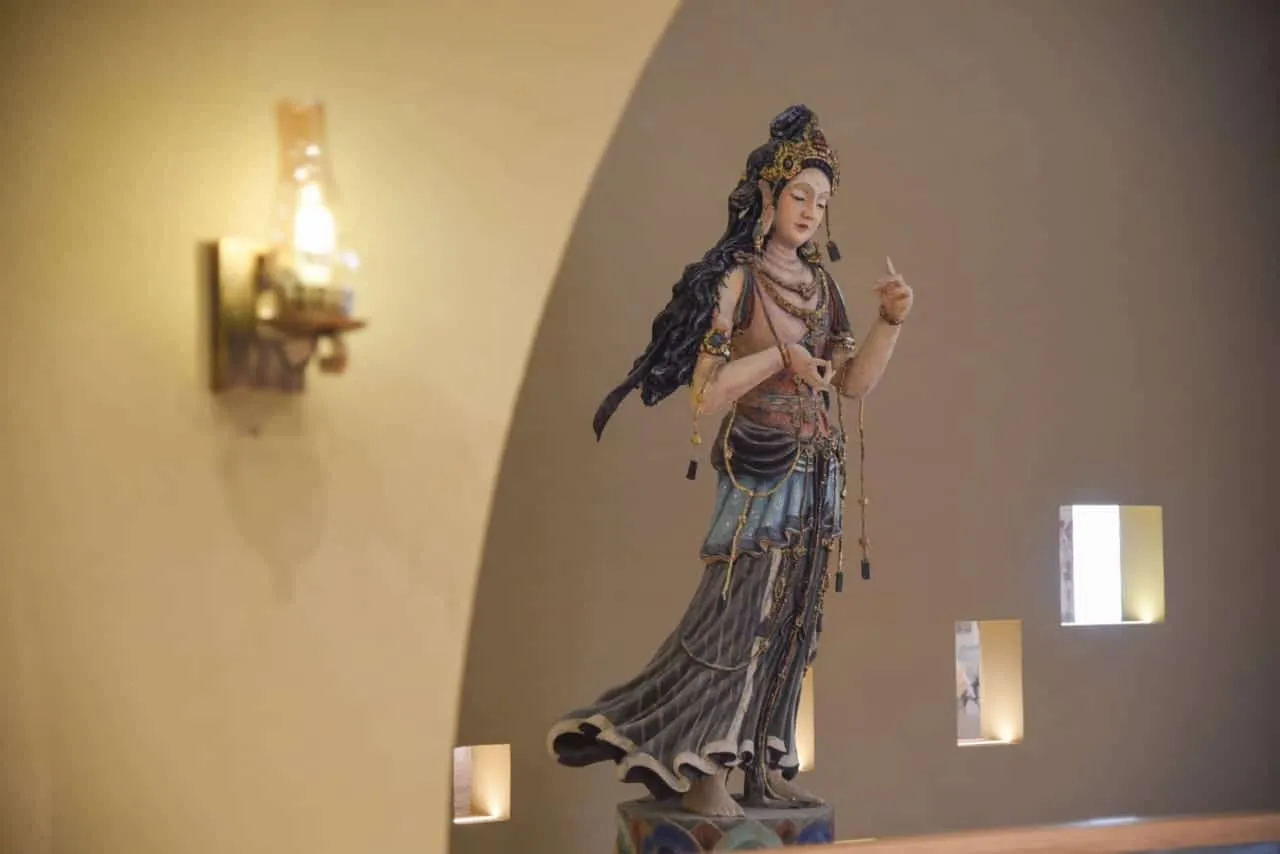
On his second visit to Dunhuang, a Silk Road city in northwest China, Assadi was shown cultural products inspired by patterns from the Mogao Caves, including the Flying Apsara and a deer motif. Asked whether Pakistan has anything similar, he pointed to the Taxila Museum as a direct parallel of shared heritage and artistic expression.
Understanding The Historic Silk Road Connection
The ancient Silk Road was not merely a commercial route for silk, spices, and precious metals. It also served as a massive conduit for the exchange of religious philosophies, artistic styles, and technological innovations. Traders, monks, and diplomats travelled back and forth between China and South Asia, leaving lasting impressions on local cultures.
Dunhuang, situated in Gansu Province, grew into a major oasis stop on the desert routes. The Mogao Caves complex near the city features hundreds of rock temples filled with Buddhist murals and sculptures spanning a millennium. These artistic creations absorbed influences from various regions, including Central Asia and the Indian subcontinent.
Taxila, located in the Punjab province of Pakistan, represents another legendary hub of ancient civilization. As a major center of Gandhara art, Taxila witnessed the fusion of Greek, Persian, and Indian artistic traditions following the conquests of Alexander the Great and the subsequent establishment of the Mauryan and Kushan empires.
Scholars have long studied how Buddhist art styles traveled eastward from Gandhara toward China. The iconography found in sites like Taxila shares stylistic roots with the treasures preserved in the caves of Dunhuang. This historical continuity forms the bedrock of modern cultural exchanges between the two nations.
The Role Of The Taxila Museum In Preserving Heritage
The Taxila Museum houses one of the most significant collections of stone sculptures, stucco pieces, gold and silver ornaments, and coins from the Gandhara period. Established to preserve items excavated from the ruins of ancient Taxila, the museum offers visitors a comprehensive look into a cosmopolitan society that flourished centuries ago.
Visitors walking through the halls of the Taxila Museum encounter relics that tell stories of trade, religious devotion, and daily life in antiquity. The stone carvings often depict scenes from the life of the Buddha, reflecting an artistic language that later inspired monastic art across Central and East Asia.
Muhammad Zamir Assadi emphasized the depth of these collections during his reflections on Dunhuang. Comparing the creative motifs found in northwest China with those in Pakistan highlights a shared artistic heritage that predates modern political borders.
"If you visit the Taxila Museum, you will find a lot of such similarities," he said. "Pakistan and China are both on the route of the Silk Road, and we share a lot of historical stories together."
Modern Technology In Artifact Preservation
Preserving ancient artifacts requires continuous adaptation to modern scientific methods. Museums across the world face challenges related to material degradation, environmental control, and digital documentation. In recent years, technological advancements have transformed how cultural heritage is managed and displayed.
Assadi noted that technologies including artificial intelligence are now being used to preserve historical artefacts in Pakistan too. Digital archiving, high-resolution 3D scanning, and AI-driven restoration tools help specialists monitor the condition of delicate items and create virtual replicas for educational outreach.
These modern techniques ensure that fragile items from sites like Taxila remain protected while becoming more accessible to international researchers and the general public. Digital platforms allow students and history enthusiasts to examine intricate details of sculptures and coins that might otherwise be hidden behind glass display cases.
Fostering Bilateral Cultural Ties For Younger Generations
Deepening mutual understanding between nations often relies on engaging younger demographics who may not be familiar with ancient history. Cultural exchanges, joint exhibitions, and educational programs help bridge geographical distances and foster long-term friendship.
Assadi stressed that the cultural connections between the two countries should be explored further and passed on to young people. By introducing students to the shared history of the Silk Road, educational institutions can inspire a new generation to appreciate cross-cultural dialogue and historical preservation.
Tourism and cultural delegations play a vital role in this process. When professionals and travelers visit heritage sites in both countries, they document and share stories that resonate with audiences back home, building a broader appreciation for ancient architectural and artistic achievements.
"If you want to explore the similarities between Pakistan and China, you must visit Pakistan," he said. "You will love to see how Pakistan has preserved its historical treasures."
What Lies Ahead For Silk Road Heritage Tourism
As international travel and heritage tourism continue to evolve, sites along the ancient Silk Road attract renewed attention from researchers and cultural tourists alike. Governments and heritage organizations increasingly view these historical corridors as platforms for cultural diplomacy and academic cooperation.
Future initiatives may involve joint research projects between Pakistani and Chinese institutions, focusing on comparative studies of Gandhara art and Dunhuang murals. Such collaborations enhance museum curation standards and promote shared exhibitions that travel between the two countries.
Observers should watch for upcoming bilateral cultural agreements, digital archive partnerships, and youth exchange programs designed to highlight Silk Road history. These steps will continue to draw attention to the enduring legacy connecting Taxila and Dunhuang.