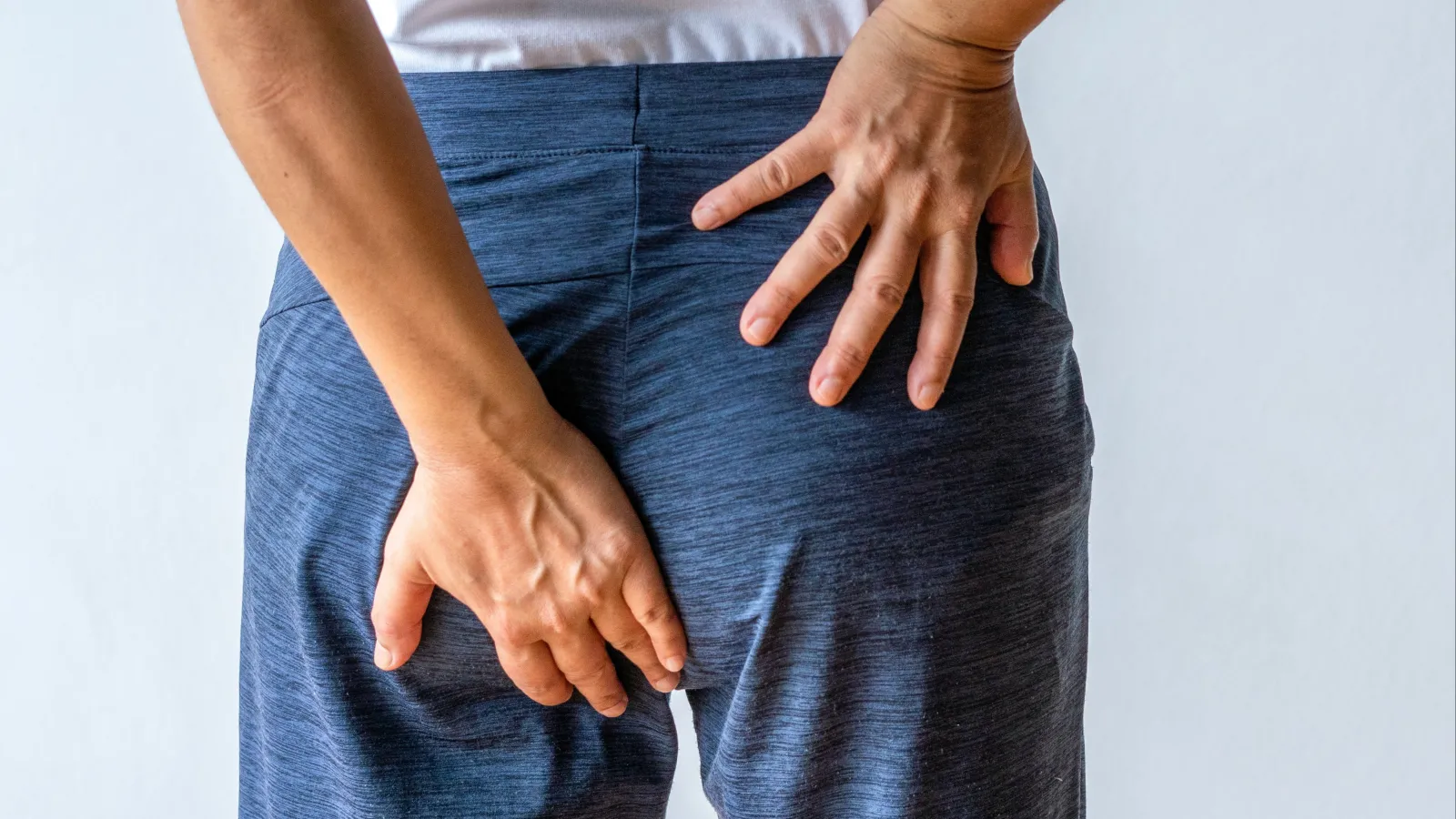
Millions of people in Britain face a frustrating and distressing health issue that rarely gets discussed openly. Mentioning an itchy bottom makes even confident adults feel uncomfortable. Yet, this condition, known medically as pruritus ani, is remarkably common. Estimates show that up to two-thirds of men experience this issue at some stage in their lives. Fortunately, the vast majority of cases are not serious, though individuals with specific health problems might be more susceptible. The NHS notes that healing may require many months of gentle care before any improvement appears.
What causes it?
Many patients worry that poor hygiene causes the problem, but experts state that overenthusiastic cleaning is often the real culprit. People frequently trigger a cycle where itching prompts more cleaning, which increases irritation and leads to further itching. The British Association of Dermatologists explains that the skin around the anus is extremely delicate and sensitive, facing constant friction, moisture, heat, sweat, and bodily fluids. This protective skin barrier breaks down easily, and the area takes time to heal because keeping it dry and friction-free is difficult. Fragranced hygiene products and wet wipes contain chemicals that aggravate the sensitive skin further. Additionally, tight clothing, prolonged sitting, and exercise create warmth and friction that worsen the irritation.
Dr Hussain Ahmad, an emergency care doctor in the North West of England and spokesperson at Click2Pharmacy, states that people with haemorrhoids, anal fissures, diabetes, or skin conditions like eczema and psoriasis face a higher risk. Ongoing diarrhoea, loose stools from IBS, and threadworms, which often occur in families with young children, can also irritate the area.
Who is most affected?
Pruritus ani is not hereditary, and it can impact people of any age. However, the British Association of Dermatologists reports that men experience it more frequently than women. The condition also appears more commonly among individuals aged between 40 and 60. Experts note that no obvious reason explains why this specific age group faces a higher likelihood of the condition, and further research is necessary.
Common mistakes putting you at risk of worms
People often put themselves at risk by:
- Not washing their hands properly after using the toilet or changing nappies.
- Scratching the anal area (common with threadworms) and then touching surfaces or food without washing hands.
- Walking barefoot in areas where the soil might be contaminated (a risk for hookworms, more common abroad).
- Eating under cooked meat or fish (a risk for tapeworms) or unwashed fruits and vegetables.
- Not treating everyone in the household at the same time, leading to re-infection.
Look to avoid these things as best you can.
How do you treat it?
Most cases of anal itching improve through relatively simple steps. The initial step typically involves simplifying your hygiene routine by avoiding perfumed shower gels, soaps, and wet wipes. Wearing loose cotton underwear reduces sweating, and changing out of damp gym clothes quickly after workouts also helps. Excessive toilet paper use can harm already irritated skin. While these self-care measures matter greatly, the NHS and the British Association of Dermatologists state that noticing an improvement can take many weeks or months.
Doctors may suggest creams such as a soothing zinc oxide cream, a short course of targeted steroid creams, or specific haemorrhoid creams. A brief course of antihistamines is sometimes advised to alleviate itching. Although the condition remains generally harmless, symptoms involving bleeding, unexplained weight loss, severe pain, a lump, or bowel habit changes require prompt medical assessment.
How can I prevent pruritus ani?
Dietary factors sometimes worsen the condition. Experts advise avoiding specific foods if you notice they aggravate your symptoms. Some individuals find that coffee, cola drinks, chocolate, citrus fruits, tomatoes, nuts, beer, and dairy products make the issue worse. Keeping a two-week food and symptom diary can help determine if eliminating certain foods brings any difference. Using lightweight bed sheets or duvets also helps prevent overheating and sweating during sleep.
ASK DR ZOE
THE SUN'S RESIDENT GP DR ZOE WILLIAMS SAYS...
Do you have a question you wish you could ask a doctor?
Whether you are worrying about a new symptom, stuck on a long NHS waiting list, or struggling to get a face-to-face appointment with your GP, I am here to help guide you through it.
Whatever is on your mind, send an email to health@thesun.co.uk.
Perhaps you have recently received a confusing new diagnosis, have questions about a newly prescribed medication, or are simply feeling anxious about a partner's declining health and don't know where to turn.
I will do my best to help answer your question anonymously.
I answer readers every week in the Sun on Sunday, and in Sun Health on a Tuesday. Find my previous answers online, here.
Get in touch!