TransPeshawar Launches DR-17 Route on Southern Ring Road
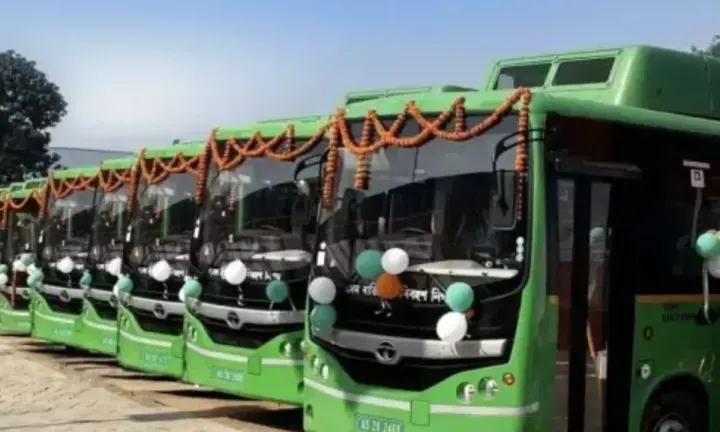
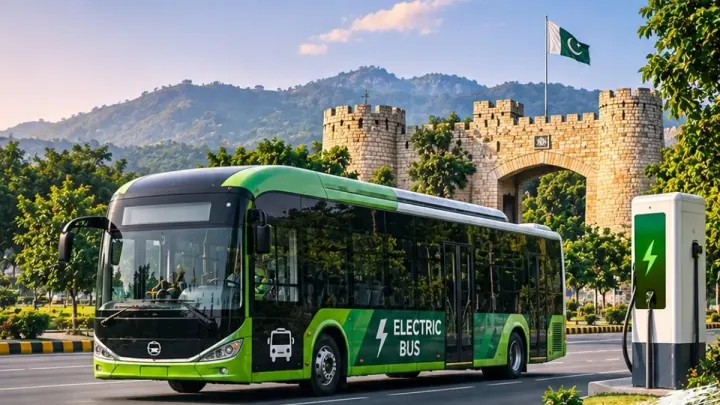
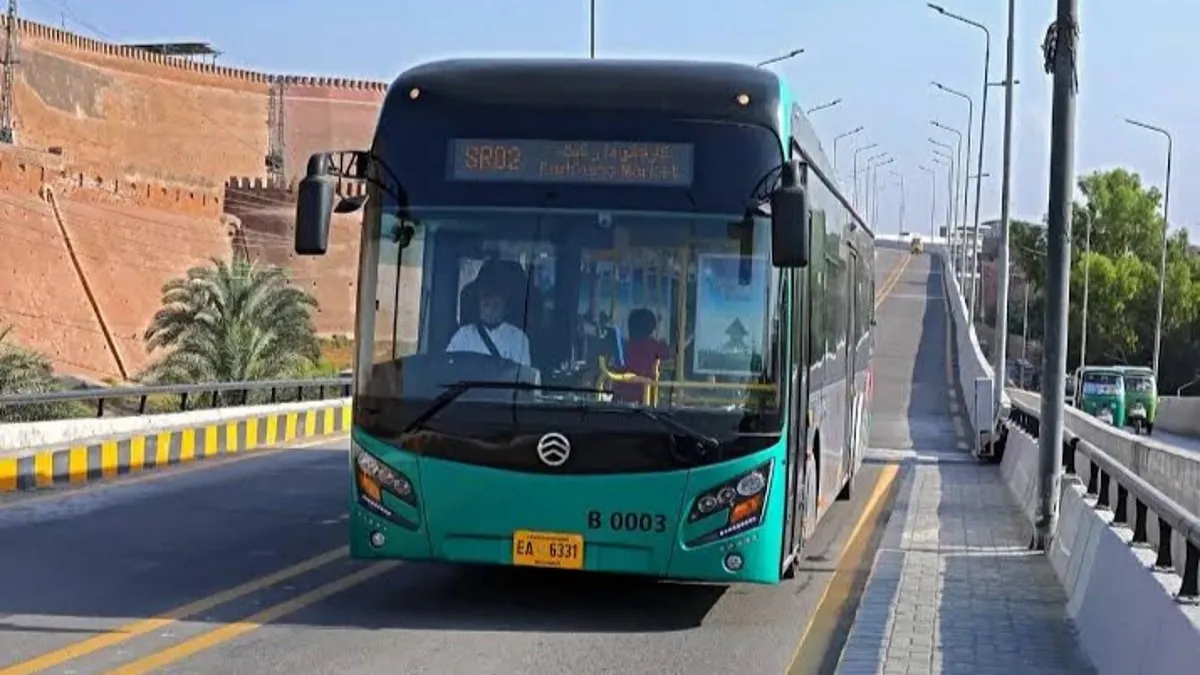
TransPeshawar will launch a new bus route, DR-17, along Peshawar's Southern Ring Road on Monday, November 16, to improve public transport connections across the city.
The new route will connect Chamkani with Mall of Hayatabad through the Southern Ring Road and include 27 stops. It will provide easier access to residential neighborhoods, educational institutions, and commercial centers along the route.
Schedule and Timing for the New Peshawar Bus Service
TransPeshawar said the first bus will depart from Chamkani at 7:00 a.m., while the first service from Mall of Hayatabad will leave at 8:20 a.m.
The service will operate until 7:00 p.m. Buses will initially run at 15-minute intervals, providing regular connections between the two destinations.
Expanding Urban Mobility and Transit Coverage in Peshawar
The new route will expand public transport coverage along the Southern Ring Road and give commuters another travel option across Peshawar.
Public transportation systems in growing urban centers require continuous network expansion to meet the daily demands of citizens. By incorporating the Southern Ring Road into the operational map, transport planners bridge gaps between peripheral housing societies and central commercial districts. Commuters living in the eastern and western sectors of Peshawar now gain a direct link that bypasses congested inner-city corridors.
Urban development strategies often rely on high-capacity transit corridors to reduce reliance on private motorcycles and cars. Traffic congestion costs metropolitan areas significant time and economic output every single day. Reliable schedules, such as the 15-minute intervals planned for this service, encourage residents to shift from personal vehicles to structured public transit networks.
Understanding the TransPeshawar Operating Model
TransPeshawar operates as a public benefit company established to manage urban transport infrastructure under specific provincial government guidelines. This corporate structure separates day-to-day transit management from political offices, allowing professional operators to maintain fleet standards, fare collection systems, and station security. The company coordinates closely with private operators who supply drivers and maintenance personnel under strict performance metrics.
Bus rapid transit networks rely on dedicated lanes and feeder routes to maintain high average speeds compared to mixed traffic. Feeder routes like DR-17 extend the reach of the main trunk corridors into densely populated neighborhoods that lack direct station access. Passengers boarding at any of the 27 new stops can connect efficiently to the broader transit network without facing multiple transfers.
Economic and Social Impact on Local Communities
Residents living along the Southern Ring Road have historically faced limited public transport options, often depending on informal rickshaws or aging mini-buses. The introduction of standardized buses with fixed schedules transforms daily commutes for students attending regional universities and employees working in commercial hubs. Predictable travel times reduce stress and punctuality concerns for workers across the municipal area.
Commercial enterprises located near the Mall of Hayatabad and the Chamkani terminal benefit from increased foot traffic generated by transit users. Retail districts thrive when customers can reach shops easily and affordably from distant neighborhoods. Educational institutions similarly record better attendance metrics when students possess dependable transportation options that fit within household budgets.
Future Outlook for Peshawar Public Transport
Urban authorities continuously review passenger demand data to identify corridors requiring additional service frequency or route extensions. Monitoring passenger numbers on the DR-17 line will guide future decisions regarding fleet allocation and operational hours. Citizens should watch for official announcements from transport administrators regarding any adjustments to timetables or stop locations as passenger habits stabilize.
Maintaining infrastructure longevity requires regular community cooperation, including adherence to fare policies and respect for station property. Public awareness campaigns often accompany major route launches to educate riders on safety protocols and ticketing procedures. As Peshawar expands outward, municipal planning agencies face the ongoing task of integrating new housing developments into the overarching transit master plan.