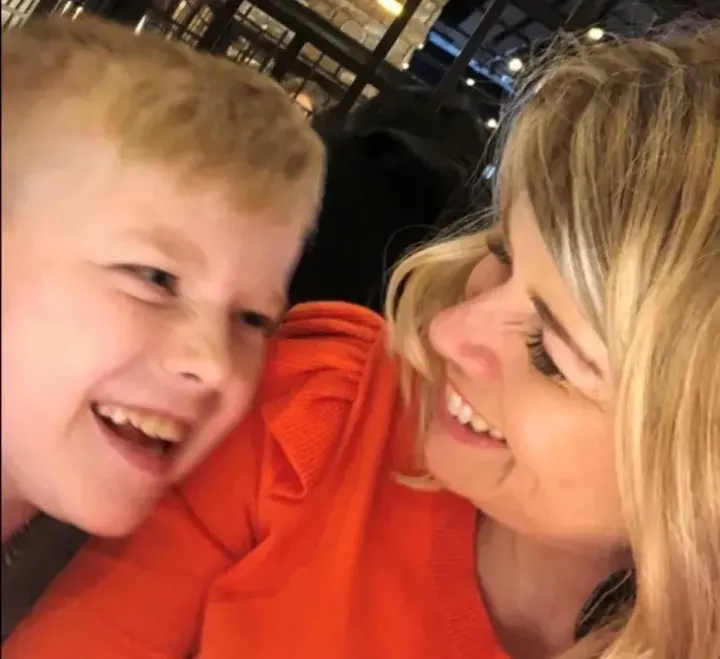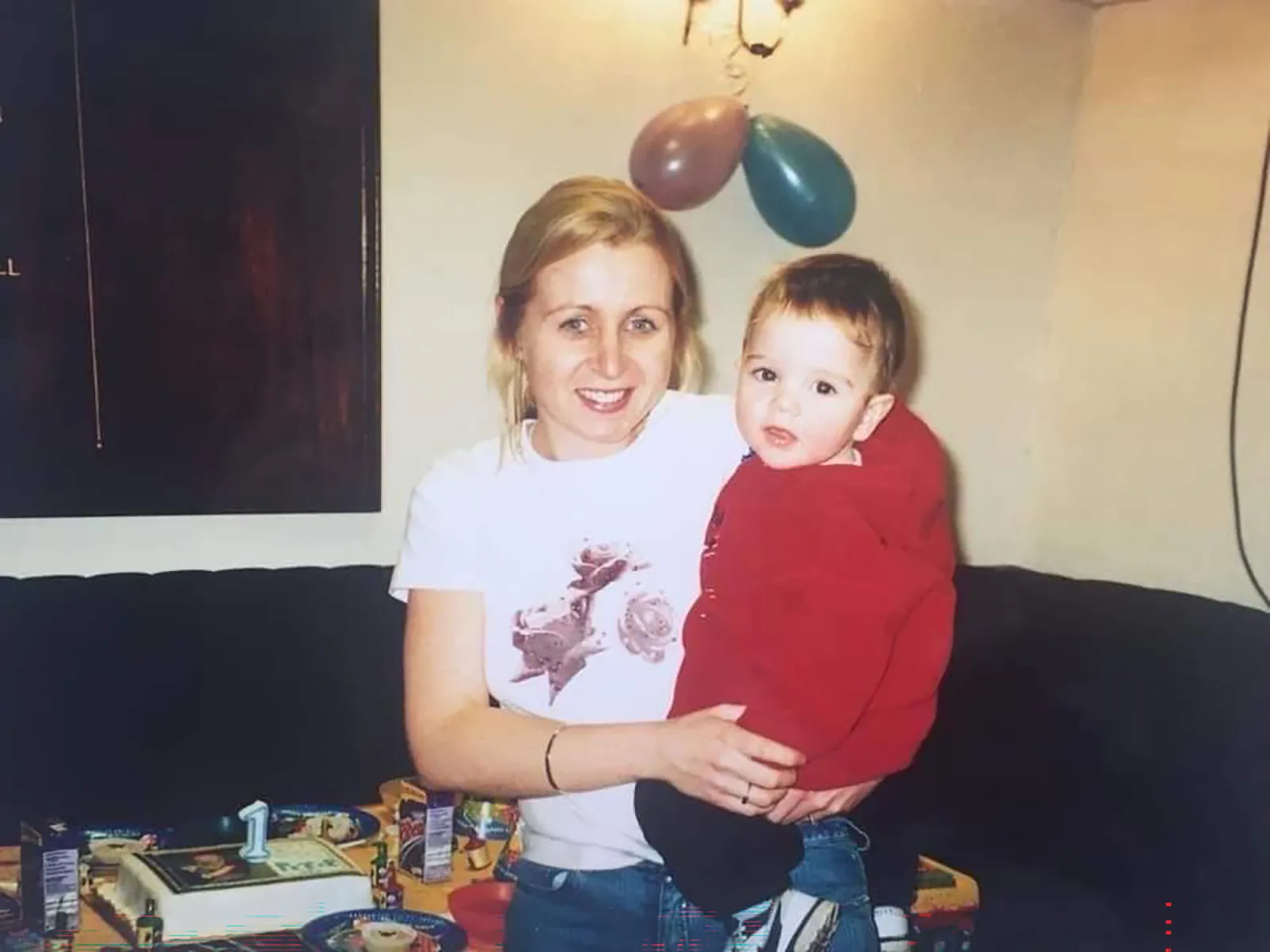
When 13-year-old Peter Reynolds fell ill around Christmas in 2014, his family assumed he had caught a bad flu bug. His mother, Beth Reynolds from Cardiff, took him to see a general practitioner on New Year's Eve after two weeks of persistent illness that showed no signs of improvement. Medical professionals diagnosed a chest infection and prescribed antibiotics, unaware that a much more severe condition was developing rapidly inside the teenager. Within twenty-four hours, Peter's condition deteriorated to a critical state, culminating in a medical emergency that would change his family's lives forever.
A home visit from a 999 first responder on New Year's Day revealed that Peter was suffering from undiagnosed type 1 diabetes and had entered diabetic ketoacidosis, a life-threatening crisis. Despite emergency hospital treatment at the University Hospital of Wales, the damage was too severe, and Peter passed away on January 6, 2015, after falling into a diabetic coma. In the years since her devastating loss, Beth has dedicated herself to raising awareness of the condition to prevent other families from experiencing the same heartbreak.
What Are the Four Ts of Type 1 Diabetes?
Recognizing the warning signs of type 1 diabetes early can prevent medical emergencies and save lives. Medical experts and charities promote the four Ts to help parents and doctors identify the condition quickly. These signs often mimic common winter illnesses, making them easy to dismiss during flu season.
The four indicators include needing the toilet frequently, excessive thirst, extreme tiredness, and unexplained weight loss. In Peter's case, these signs were initially explained away by his family as normal puberty changes or a lingering cold. He experienced a growth spurt, drank more fluids because he felt unwell, felt fatigued from the infection, and visited the bathroom more often as a result.
How Flu Symptoms Can Mask Diabetes Signs
Peter first displayed an indicator of type 1 diabetes in mid-December 2014 during a school trip to Germany, where he experienced unusual thirst. When he returned home two days before Christmas, he developed a cough and cold that progressed into flu-like symptoms. Because viral infections are common during the winter months, neither his parents nor medical staff suspected an underlying autoimmune disorder.
When Beth took her son to the doctor on December 31, 2014, the focus remained on his respiratory symptoms. The prescription for antibiotics did nothing to address the soaring blood glucose levels caused by the lack of insulin production. By the afternoon of New Year's Day, Peter was profoundly lethargic, prompting his mother to call emergency services.
Understanding Diabetic Ketoacidosis and Insulin
Type 1 diabetes is an autoimmune condition that prevents the body from producing insulin, a hormone essential for converting blood sugar into energy. Without insulin, glucose accumulates in the bloodstream to dangerous levels. Over three hundred fifty thousand people in the UK live with this lifelong condition, which has no known cure and cannot be prevented by lifestyle changes.
When insulin is entirely absent, the body begins breaking down fat for energy, producing harmful acidic chemicals known as ketones. This accumulation leads to diabetic ketoacidosis, an emergency that causes the blood to become dangerously acidic. Additional symptoms of untreated type 1 diabetes include blurred vision, sweet or fruity breath, and slow-healing cuts or wounds.
The Hospital Battle and Final Days
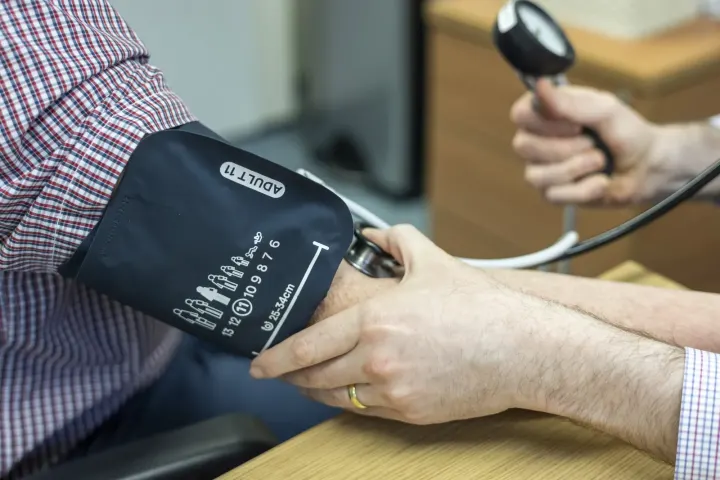
After the first responder performed a finger-prick blood test at their home, an ambulance rushed Peter to the University Hospital of Wales. Medical staff in the high-dependency unit informed Beth that her son's body was shutting down. Over the next five days, Peter suffered a cardiac arrest, underwent resuscitation during surgery, fought multiple infections, and received dialysis.
On January 6, 2015, brain scans confirmed there was no activity, leaving doctors with no further options. Beth and Peter's father Stuart climbed into the hospital bed with their son to say their final goodbyes as life support machines were turned off. Beth later reflected on the ordeal, noting that a simple finger-prick blood test at the initial doctor appointment could have provided a crucial twenty-four-hour head start.
Campaigning to Save Other Children
Determined to honor her promise that Peter's death would not be in vain, Beth began working closely with Diabetes UK Cymru. In 2023, she launched a national campaign titled Rewrite Peter's Story, mailing resource boxes detailing type 1 diabetes warning signs to every general practice surgery across Wales. Through her ongoing public speaking and advocacy, she estimates that sharing Peter's story has helped save at least twenty-three people by prompting timely medical checks.
Colette Marshall, chief executive at Diabetes UK, emphasized that a type 1 diabetes diagnosis should never begin as a medical emergency. Organizations continue to urge families and medical professionals to learn the four Ts and recognize the signs before children reach a crisis point. Beth continues to share her memories of Peter with her other two children, using her voice to speak for a boy who can no longer speak for himself.