Abdul El-Sayed Proposes Ban on Unconditional Military Aid
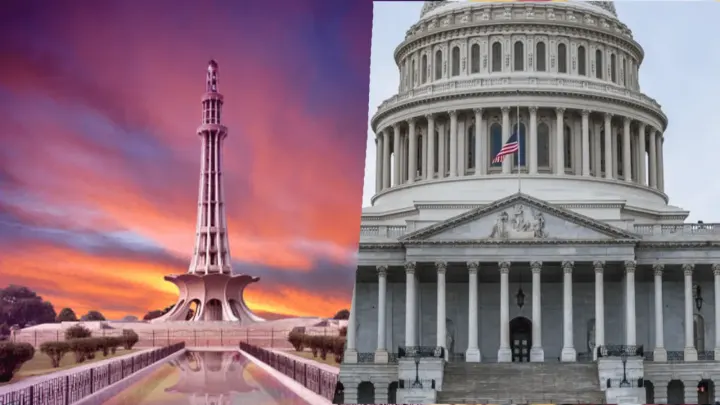
Newly elected US Senator Abdul El-Sayed has said he wants to ban unconditional American military aid to Pakistan, along with Israel, Egypt, Jordan, Saudi Arabia, Qatar, and every other country that receives it. The newly elected official outlined his stance on foreign assistance during a high-profile public appearance, setting the stage for intense debates in Washington regarding the future of American foreign policy and defense spending abroad. His proposal targets the long-standing practice of providing blank-check military support to international partners without strict human rights or policy conditions attached to the transfers.
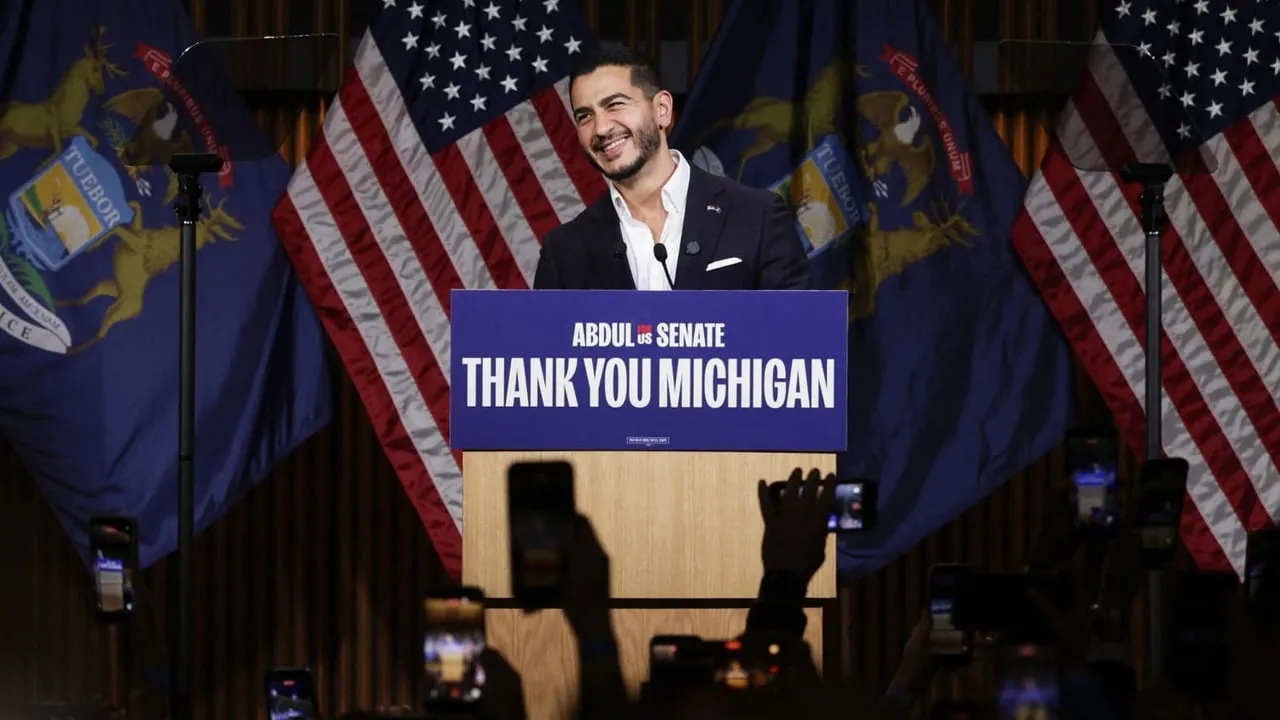
He made the remarks at a Students vs. Billionaires town hall with Senator Bernie Sanders at the Michigan Theater in Ann Arbor on October 26. The event drew large crowds of supporters and political observers interested in the policy visions of progressive leaders aiming to reshape federal spending priorities. By addressing foreign assistance alongside domestic economic concerns, the speakers connected international relations directly to the everyday financial burdens faced by working families across the United States.
El-Sayed, a Michigan Democrat, defeated Republican Mike Rogers in the November 3 midterm election and became the first Muslim elected to the US Senate. His historic electoral victory represents a notable milestone in American politics, giving him a prominent platform from which to challenge established foreign policy norms. As a freshman lawmaker entering Capitol Hill, he brings a distinct perspective shaped by his background as a progressive public health professional and regional administrator.
Details of the Proposed Ban on Foreign Weapons
Right now, they are getting bombs and tanks and unconditional foreign military aid. I want to ban unconditional foreign military aid. I want to ban it to Israel, I want to ban it to Egypt, where my family immigrated from, to Jordan, to Pakistan, to Saudi Arabia, to Qatar, to all of them, El-Sayed said during the town hall discussion. I do not pay my tax dollars so another country gets a bomb or a tank. We pay our taxes so that our kids get good schools.
El-Sayed has said he would apply the same standard to every country rather than single out Israel. He argues US tax dollars should pay for schools and healthcare at home instead of bombs and tanks for foreign governments. This uniform approach aims to address systemic foreign policy practices by removing exemptions or preferential treatment traditionally granted to specific geopolitical allies in various global regions.
The broader vision links international defense expenditures directly to domestic investments in public education and healthcare infrastructure. Proponents of this view argue that federal budgets reflect moral and economic choices, prioritizing military intervention overseas over the immediate needs of American communities struggling with rising living costs and underfunded public services.
What the Proposal Means for Pakistan and US Relations
The comments matter for Islamabad because Pakistan has long received US financing and equipment and later asked Washington to restore that assistance after earlier suspensions. Historical ties between Washington and Islamabad have experienced numerous shifts, marked by periods of close security cooperation followed by freezes in funding due to strategic disagreements or legislative restrictions over regional counterterrorism efforts.
Pakistan has historically relied on American military equipment, spare parts, and training programs to maintain its defense readiness. When previous administrations or legislative bodies implemented aid suspensions or restrictions, Pakistani officials actively lobbied Washington to restore the flow of financial assistance and military hardware to support their domestic security operations.
Introducing a legislative push to completely ban unconditional assistance introduces a new layer of uncertainty for bilateral ties. While previous restrictions often focused on specific performance metrics or strategic benchmarks, a blanket ban on unconditional aid would fundamentally alter the diplomatic and military framework connecting the two nations.
The Legislative Role of a US Senator in Foreign Assistance
El-Sayed cannot ban aid on his own, but as an incoming senator he will vote on foreign aid bills and can push to attach conditions or block blank-check assistance. The legislative process in the United States Congress requires broad coalitions, committee approvals, and majority votes in both the Senate and the House of Representatives before any significant policy shift can become federal law.
Individual senators wield considerable procedural influence through committee assignments, floor debates, and the ability to place holds on nominations or spending packages. By leveraging these legislative tools, a determined lawmaker can draw substantial public attention to specific spending items and force reluctant colleagues to debate the merits of continuing traditional foreign aid agreements.
Foreign assistance packages are typically negotiated as part of larger annual appropriations bills or specialized defense authorization measures. While establishing a complete ban on unconditional aid faces steep political hurdles given entrenched bipartisan support for traditional allies, the debate initiated by new progressive voices signals potential challenges for future foreign aid authorizations.
Background on American Foreign Military Financing
Foreign Military Financing is a US government program that provides grants and loans to help allied nations purchase American-made defense equipment, services, and training. Established decades ago as a cornerstone of American diplomatic strategy, the program aims to build regional security partnerships, support cooperative defense arrangements, and maintain interoperability between the United States military and foreign armed forces.
Over the years, critics from various political backgrounds have questioned the efficacy and oversight of these massive military transfers. Progressive critics argue that supplying advanced weaponry to governments with questionable human rights records contributes to regional instability and civilian casualties. Conversely, traditional defense hawks maintain that foreign military assistance is an indispensable tool for projecting national power and securing vital geopolitical partnerships in volatile parts of the world.
The debate over conditions versus unconditional support frequently resurfaces during congressional budget cycles. Lawmakers periodically attempt to introduce human rights stipulations or transparency requirements into defense bills, though many of these amendments are diluted or defeated to preserve traditional alliances and maintain executive branch flexibility in foreign affairs.
Broader Political Context and Future Outlook
The discussion at the Michigan Theater reflects a growing internal debate within the Democratic Party regarding foreign intervention and military spending. As a new generation of lawmakers enters federal office, traditional consensus positions on defense and foreign aid face renewed scrutiny from constituents who prioritize domestic social spending over overseas military entanglements.
Observers will closely monitor El-Sayed as he assumes office and begins drafting or co-sponsoring legislation related to defense budgets and international aid programs. While immediate policy changes remain unlikely due to the complex nature of congressional lawmaking, the articulation of such positions signals an evolving discourse on Capitol Hill regarding how taxpayer funds are allocated internationally.
For international partners like Pakistan, Egypt, and Jordan, watching these domestic political shifts in the United States remains a critical task for diplomatic missions. As lawmakers debate the future of unconditional assistance, foreign capitals must prepare for potential legislative battles that could redefine the terms of long-standing military and financial partnerships.