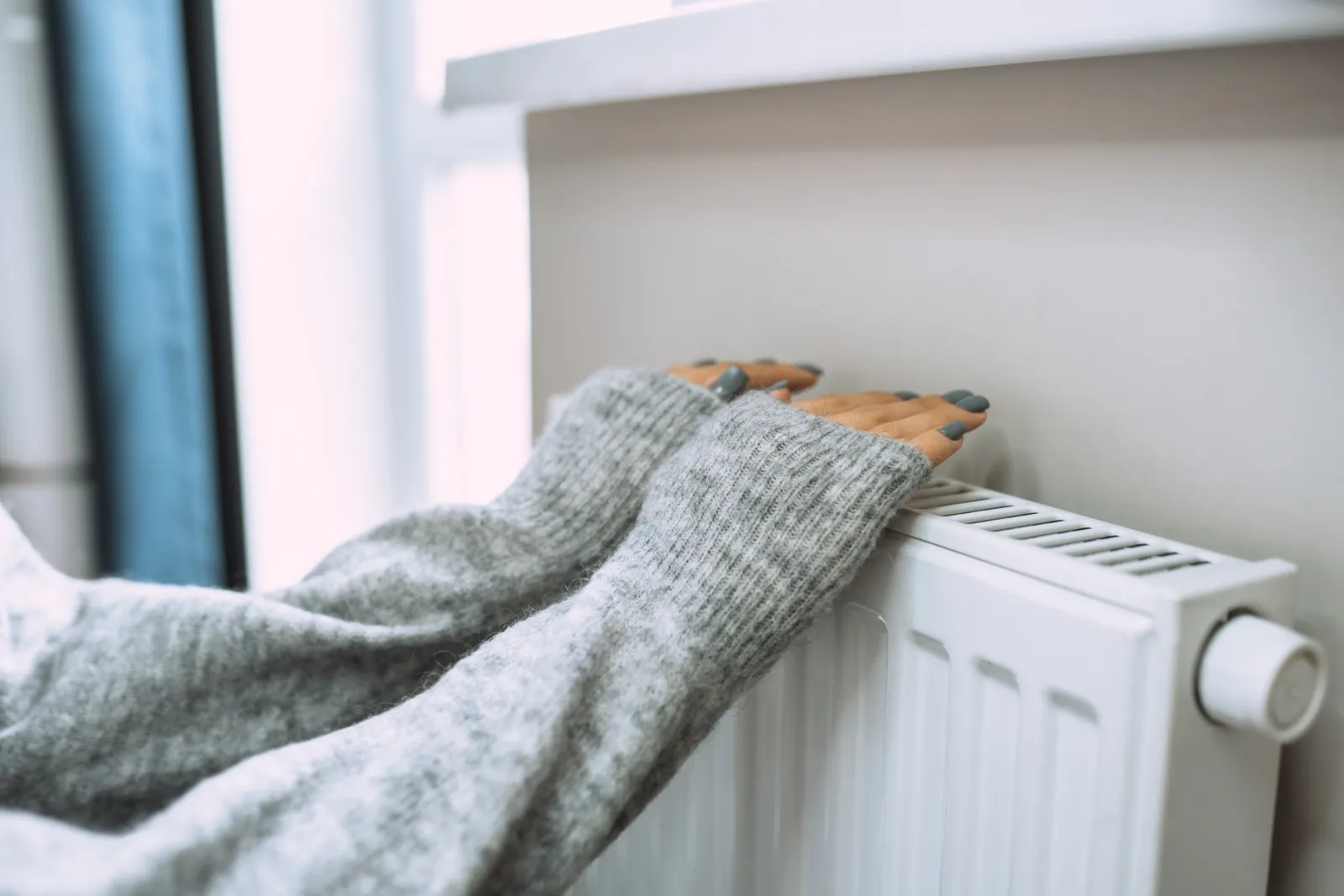
November brings chilly weather, and many people experience cold hands as temperatures drop across the country. While putting on gloves or warming up near a heater usually solves the problem, constantly freezing fingers can sometimes point to underlying health conditions that require medical attention.
Rachel Jones, pharmacy superintendent at Superdrug, explains that hands and feet are often the first body parts to feel cold because they sit furthest away from the core. When temperatures fall, the body naturally narrows blood vessels in the extremities to preserve warmth around vital organs. However, persistent coldness requires a closer look at potential medical causes.
Why Cold Hands Could Mean an Underactive Thyroid
One of the lesser-known reasons for constantly cold hands is an underactive thyroid, medically known as hypothyroidism. The thyroid is a small gland located in the neck that produces hormones responsible for regulating metabolism, including how the body uses energy and generates heat.
When the thyroid fails to produce enough of these hormones, metabolism slows down. This makes individuals much more sensitive to cold temperatures, leaving them feeling chilly even when everyone else around them feels comfortable. Thyroid issues often bring other symptoms alongside cold hands, such as persistent tiredness, unexplained weight gain, dry skin, constipation, or thinning hair.
Anyone noticing these combined signs should speak to a general practitioner. A simple blood test can check thyroid hormone levels and determine whether an underactive thyroid is responsible for the symptoms.
How Poor Circulation Affects Your Fingers
While cold hands are a normal response to lower temperatures, hands that stay regularly cold even in warm environments warrant investigation. Experiencing numbness, tingling, or pain alongside coldness can signal an underlying circulation issue.
Circulation often worsens with age, but heart disease, high blood pressure, atherosclerosis, and obesity also play a role by making arteries stiffer. Staying active, avoiding smoking, and taking regular breaks from sitting help support healthy circulation. Drinking plenty of water and eating healthy meals with less fat also prevents fatty plaques from building up in artery walls.
Low Iron Levels and Cold Sensitivity
Iron deficiencies are common, particularly among women who still have their periods. Common symptoms include tiredness, dizziness, headaches, shortness of breath, and looking paler than usual.
Iron plays an important role in helping red blood cells carry oxygen around the body. Lacking sufficient iron can lead to iron deficiency anaemia, which leaves people feeling unusually cold, particularly in their hands and feet. Patients experiencing these symptoms can ask a doctor for a blood test to check iron levels. While iron-rich foods like lean meat, beans, lentils, and leafy green vegetables support a healthy diet, experts warn against taking high-dose iron supplements without medical confirmation of a need.
Understanding Raynaud's Phenomenon
Fingers that suddenly turn white or blue when exposed to cold or stress might indicate Raynaud's phenomenon. In this condition, small blood vessels in the fingers temporarily narrow, which reduces blood flow to the area.
As blood flow returns, fingers can turn red and feel tingly, painful, or numb. These episodes can happen even with small temperature changes, such as reaching into a freezer or holding a cold drink. Wearing gloves, keeping the entire body warm, and avoiding sudden temperature shifts help manage symptoms. However, regular colour changes, especially if they are painful or worsening, require a consultation with a healthcare professional.
The Connection Between Stress and Cold Fingers
Nervousness, anxiety, and stress can also cause hands to become particularly cold. The body triggers a natural fight-or-flight response, causing blood vessels in the extremities to narrow and directing more blood toward vital organs and muscles.
This temporary change in blood flow leaves fingers feeling cold or clammy, even when ambient temperatures remain unchanged. Managing stress through breathing exercises, regular workouts, or sufficient sleep improves overall health and wellbeing. At the same time, people dealing with persistent cold hands should not automatically assume stress is the sole cause.
When to Seek Urgent Medical Help
Occasional cold hands during winter months are usually nothing to worry about. Constant freezing hands, however, combined with skin colour changes, persistent numbness, pain, unexplained tiredness, or weight gain, indicate that something else might be happening.
Urgent medical help is necessary if a hand or finger suddenly becomes very cold, pale, blue, and painful, especially if the colour fails to return after warming up. Consulting a pharmacist or general practitioner helps identify the root cause and determines whether further checks, such as thyroid function or iron blood tests, are necessary.