The Sudden Loss of a Young Art Student in Paris
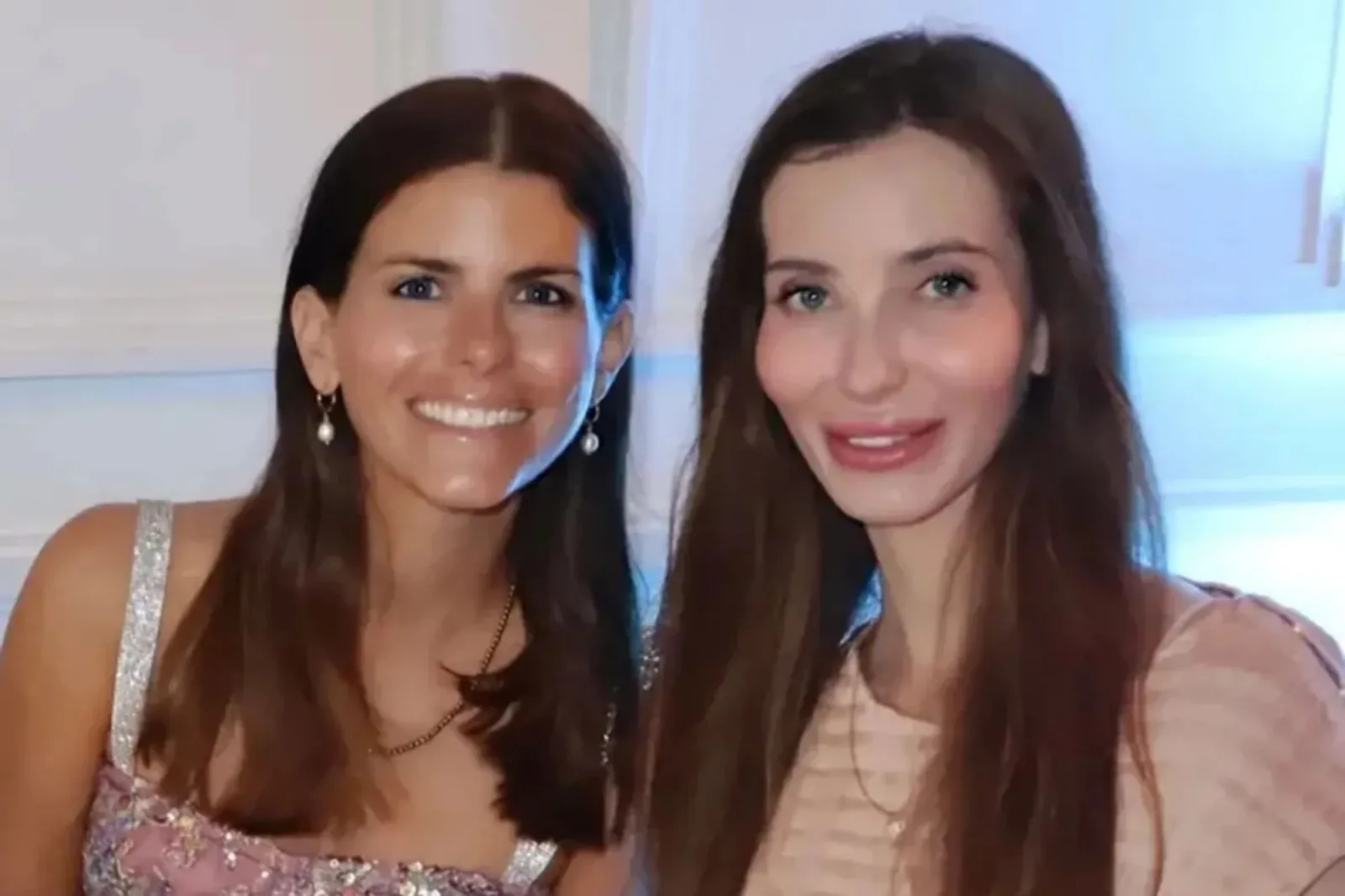
Growing up, Marisa always knew her sister Alana was different from her. The younger sibling, known as Ali to her family, possessed distinct physical traits including thin lips, delicate facial features, pale translucent skin, and extreme flexibility. When they were children, Ali would demonstrate various bendy tricks to her sister. Marisa, residing in South Florida in the United States, had no inkling that these traits served as early warnings of a severe medical condition that would claim Ali's life abruptly in the year 2024 at the young age of 26.
The tragedy unfolded during a family visit. Marisa and her mother travelled to Paris, France, to spend time with Ali, who was living abroad while studying art. They stayed at a hotel situated a short distance from Ali's apartment. The family spent a long day walking around the city together. That very night, Ali was engaged in a telephone conversation with her mother when the communication line abruptly went dead.
Responding to the Emergency and Discovering the Truth
Filled with immediate alarm over the dropped call, Marisa and her mother hurried to Ali's apartment. Upon arrival, Ali failed to answer the door when they knocked. They contacted French emergency services for assistance. Responders entered the residence and discovered that Ali had collapsed. Marisa later explained in media interviews that her sister appeared to be in good health, making the sudden passing an immense shock. She noted that physical appearance does not always reflect internal health conditions.
French medical professionals conducted an autopsy to determine the circumstances surrounding the death. Marisa brought the autopsy documentation back home to Florida for translation. She subsequently had the records reviewed by multiple medical specialists in Florida. These doctors indicated that Ali might have been suffering from vascular Ehlers-Danlos syndrome without the knowledge of her or her family members.
What Is Vascular Ehlers-Danlos Syndrome?
Ehlers-Danlos syndrome encompasses a group of 13 distinct genetic disorders that impact the connective tissues responsible for supporting skin, joints, blood vessels, and other internal organs. These tissues include tendons, ligaments, and cartilage. Individuals affected by these conditions often experience joint hypermobility along with stretchy, fragile skin that tears or bruises with minimal trauma. Vascular Ehlers-Danlos syndrome represents a rare and particularly severe form of the disorder.
This specific variant targets blood vessels and internal organs, creating a high risk of rupture and life-threatening internal bleeding. Common indicators associated with vascular Ehlers-Danlos syndrome include skin that bruises very easily, thin skin revealing small blood vessels particularly on the upper chest and legs, and fragile blood vessels prone to bulging or tearing. Additional signs involve organ vulnerabilities, such as bowel or uterine tears, partial lung collapse, hypermobile fingers and toes, distinct facial features including a thin nose and lips, large eyes, small earlobes, varicose veins, and delayed wound healing.
Recognizing Early Symptoms and Medical History
Reflecting on her sister's childhood, Marisa recalled that Ali frequently complained of aches, pains, and fatigue. Ali also bruised easily and possessed translucent skin. Although these manifestations align with vascular Ehlers-Danlos syndrome, Marisa acknowledged that definitive proof of the condition is no longer obtainable. During their childhood years, Ali was taken to medical appointments on several occasions, but their mother was often made to feel like a hypochondriac by healthcare providers. Ali never underwent formal genetic testing during her lifetime.
Ehlers-Danlos syndrome affects approximately one in every 5,000 individuals globally. Vascular Ehlers-Danlos syndrome occurs far less frequently, appearing in roughly one out of every 200,000 to 250,000 people. The disorder compromises the structural integrity of arteries and internal organs, rendering them fragile and susceptible to sudden failure. Ali's family believes this underlying vulnerability caused her death on May 26, 2024.
Understanding Aortic Ruptures and Risk Factors
The family suspects that Ali suffered an abdominal aortic rupture that resulted in instant death. Such ruptures can develop due to an aneurysm, which involves a localized swelling or ballooning of the aorta, the primary artery transporting blood from the heart to the abdomen. Aneurysms frequently produce no noticeable symptoms before they burst, making them exceptionally dangerous. Risk factors that increase the likelihood of aneurysms include cigarette smoking, elevated blood pressure, and high cholesterol levels.
Inherited connective tissue disorders, including various forms of Ehlers-Danlos syndrome, also elevate aneurysm risks by weakening the muscular walls of major blood vessels. Following her sister's passing, Marisa underwent genetic testing herself to check for the condition. The results confirmed that she does not carry the suspected genetic markers that affected her sister.
Coping with Loss and Advocating for Health
Experiencing the unexpected loss of her sister fundamentally transformed Marisa's perspective on life. In the aftermath of the tragedy, she used social media platforms, publishing a video on her TikTok account under the username _thegriefgirl_, to share her story and warn others. She emphasizes the importance of self-advocacy within medical environments, urging individuals to persist when they feel something is wrong with their bodies.
Marisa noted that while medical professionals possess extensive knowledge, patients remain the primary experts on their own physical sensations and internal experiences. By sharing these insights, the family hopes to encourage greater awareness of invisible conditions and prompt earlier investigations into unexplained symptoms like chronic bruising, joint flexibility, and persistent fatigue.