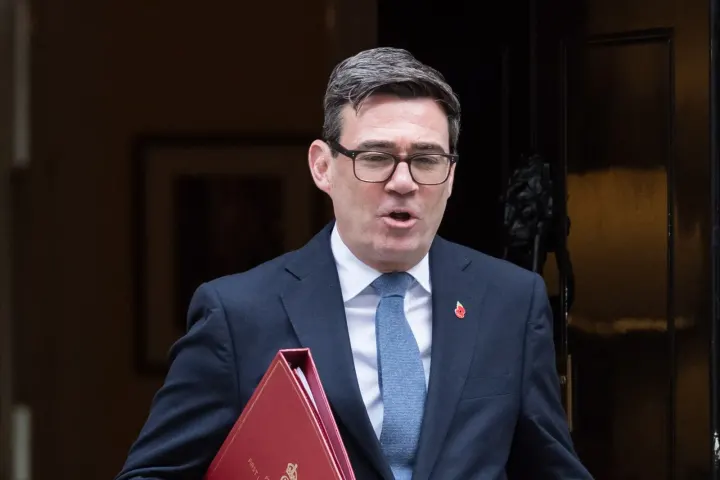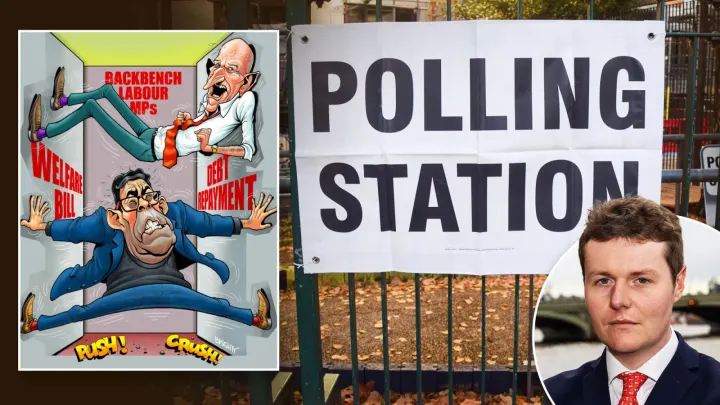
Mayor Andy Burnham warned that the Conservative Party's recent loss of support over immigration policy should serve as a warning for Labour, after over 100 Labour MPs forced the Home Secretary to water down a key element of the government's crackdown.
The backlash began when backbenchers and senior cabinet members alike opposed a proposal that would have required foreign care workers to wait 15 years before gaining permanent residency. The proposal was part of a broader set of reforms announced by Home Secretary Suella Braverman aimed at tightening migration controls.
What Prompted the Backlash From Labour MPs?
Labour's opposition was rooted in concerns that a 15-year waiting period would cripple the health and social care sector, which relies heavily on overseas staff. More than 100 Labour MPs publicly declared they would not support the measure, arguing it would create a severe skills shortage and undermine the NHS's ability to recruit nurses and care assistants.
Among the dissenters were senior figures such as Deputy Prime Minister Angela Rayner, former Education Secretary Lucy Powell, and Shadow Minister for Immigration Miatta Fahnbulleh. Their statements highlighted the political risk of alienating both the party's rank-and-file and the broader electorate that depends on immigrant workers.
How the Home Secretary Responded
Facing mounting pressure, Home Secretary Suella Braverman announced a revision to the original plan. The most contentious clause - the 15-year wait for foreign care workers - was removed. The revised rules retain a longer pathway to permanent residency, extending the standard waiting period from five to ten years, but they stop short of the originally proposed 15-year barrier.
Braverman emphasized that the changes still reflect the government's commitment to "secure borders and a fair immigration system," while acknowledging the need to protect vital public services.
Why the Change Matters for Labour Leaders
For Andy Burnham, the mayor of Greater Manchester and Labour's shadow health secretary, the episode raises questions about who truly influences policy in a Labour-led government. Burnham noted that Prime Minister Keir Starmer must balance the demands of his parliamentary party with the broader agenda of his administration.
Burnburn's own constituency of Makerfield, a traditionally Labour seat, saw the Reform Party capture more than a third of the vote in the June local elections. That surge signals voter frustration with the mainstream parties on issues such as immigration and public services.
Political Context: The Tories' Recent Immigration Setback
The Conservative Party suffered a noticeable dip in polling after the same immigration proposal was introduced in the previous parliamentary session. Voters expressed anger at what they perceived as an overly punitive approach that threatened the livelihoods of essential workers.
Analysts attribute the Conservative loss to a combination of factors: a perceived lack of empathy for migrant families, fears about staffing shortages in the NHS, and the broader narrative that the party was out of touch with ordinary Britons.
What This Means for the Upcoming EU Summit
The timing of the policy reversal is significant. Prime Minister Keir Starmer is set to attend a major European Union summit later this month, where Britain's future relationship with the EU, including issues of freedom of movement, will be discussed.
By softening the most controversial element of the immigration reforms, the government may be attempting to present a more moderate image to European partners, while still maintaining a firm stance on border security.
Burnham's Position on Legal Migration
When asked whether legal migration levels were too high, Burnham replied that it was "difficult to say" because the answer depends on the needs of the economy. This nuanced stance aligns with Labour's broader policy of balancing economic demand with humane treatment of migrants.
However, the ambiguity may be harder to sell in constituencies like Makerfield, where voters have expressed concern over migration's impact on jobs and public services.
Implications for Future Labour Policy
The episode underscores a growing tension within Labour: the desire to reform the immigration system while avoiding the political pitfalls that harmed the Tories. If Labour leaders ignore the warning sign, they risk alienating both their parliamentary base and swing voters.
Burnham's warning serves as a reminder that policy changes must be carefully calibrated, especially on issues that directly affect the health sector and public perception of fairness.
Practical Takeaways for Readers
- Foreign care workers will now face a ten-year wait for permanent residency, not fifteen.
- The Labour Party's internal opposition shows that any future immigration reforms will likely be subject to intense scrutiny.
- Voters in constituencies like Makerfield should watch how Labour balances economic needs with immigration policy ahead of the next general election.
As the UK navigates its post-Brexit relationship with the EU and grapples with domestic labour shortages, the handling of immigration policy will remain a litmus test for both major parties.