Former Finance Minister Blames Federal Government for Agricultural Crisis
Former finance minister Miftah Ismail has criticized the federal government, stating that its policies over the past three years have financially devastated farmers across the country. In public statements shared on social media, the former official described the current situation as sheer incompetence from federal authorities. He pointed to deep structural issues in agricultural management that have left domestic producers struggling to cover their basic production costs.
The core of the issue involves a severe mismatch between what cultivators received for their harvest and current market realities. During the April and May harvest period, local farmers sold their wheat to stockists, government-selected investors, and other middlemen for less than Rs. 65 per kg. This low return failed to compensate growers for high input costs, setting off a chain reaction that continues to destabilize the national food supply chain and affect households nationwide.
Current Market Prices and Escalating Atta Costs
Market rates for staple food items have surged significantly in major urban centers. In Karachi's open market, wheat is currently selling at Rs. 155 to Rs. 157 per kg. At the same time, retail outlets in the city were recently selling No. 2.5 flour at Rs. 180 per kg and fine flour at Rs. 200 per kg, continuing an upward trend in flour prices despite recent shipments of imported wheat arriving in the country.
To manage regional markets, the Punjab government has intervened by fixing the retail price of a 10kg flour bag at Rs. 1,275. Despite such administrative price controls, the broader national market experiences severe cost pressures. Miftah warned that the price of atta could climb to Rs. 200 per kg or more as a wider wheat crisis brews throughout Pakistan, placing a heavy burden on urban and rural consumers alike.
High Fertilizer Costs Drive Production Shortfalls
Agricultural inputs have played a major role in the current supply deficit. According to the former minister, the government maintained exceptionally high prices for urea and DAP fertilizers. Because of these elevated costs, farmers could not afford to purchase the necessary quantities required for a healthy, high-yield crop.
The direct consequence of this fertilizer pricing policy is a domestic production shortfall estimated at approximately 3 million tons of wheat. Without adequate soil nutrition during the growing season, crop output fell far below national demand levels, forcing the country to rely heavily on foreign supplies to bridge the gap.
Mismanaged Imports and Trading Corporation of Pakistan Role
Government intervention in international procurement has also drawn sharp criticism for inefficiency and poor timing. Miftah noted that authorities waited too long to initiate purchases, failed to import sufficient quantities, and blocked the private sector from bringing in grain independently. Instead, the administration routed all import operations through the Trading Corporation of Pakistan.
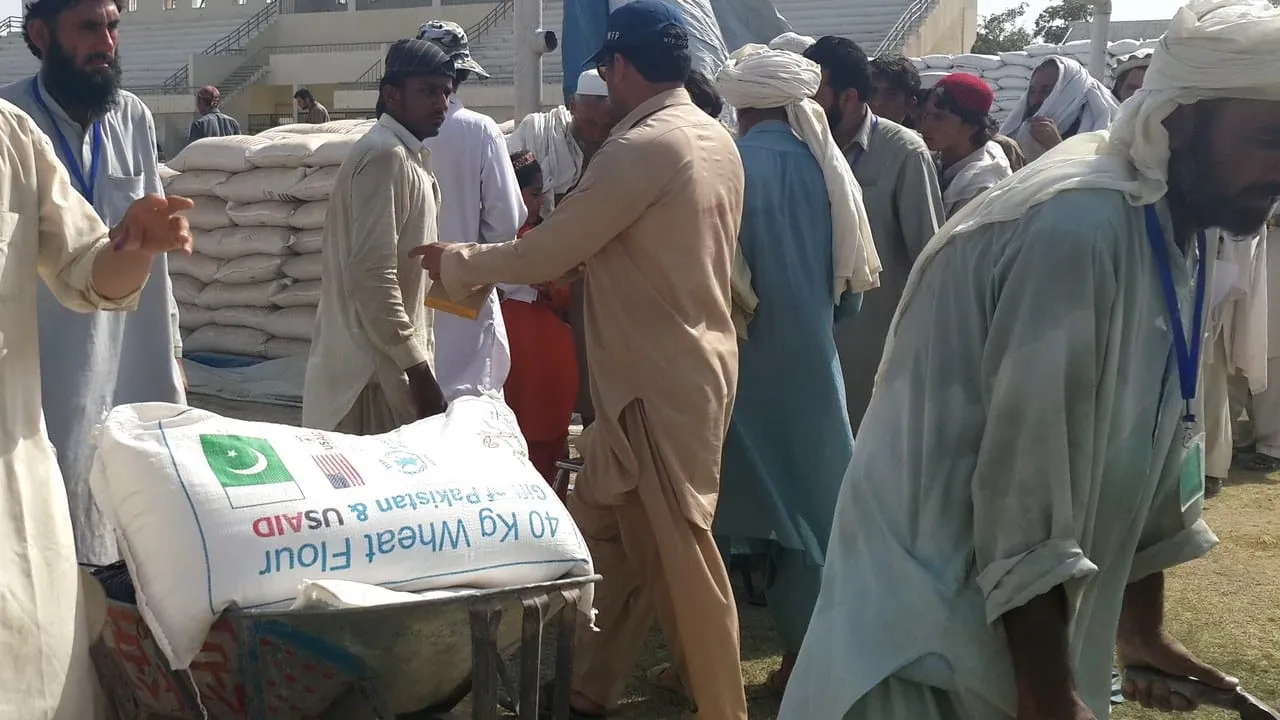
Even after government-led imports brought in about a million tons of foreign wheat, a massive supply shortage remains across the nation. The landed cost of foreign wheat in Karachi currently sits at around Rs. 95 per kg, reflecting the high expenses associated with emergency international procurement and transport logistics.
Risks of Untimely Foreign Shipments for Local Growers
Looking ahead, the timing of incoming foreign shipments poses a secondary threat to domestic agriculture. Miftah warned that wheat imported late could arrive around February or March. Such timing would flood the market right near the harvest period in Sindh and Punjab, potentially crashing local prices and inflicting further financial injury on domestic farmers.
Reflecting on the need for immediate policy correction, the former minister offered a direct recommendation regarding future trade decisions. As he stated online, therefore if the government decides to allow imports it should do so right away, avoiding the damaging delays that characterize the current handling of the crisis.