Punjab Education Minister Announces Strict Ban on Unauthorized Entry in Girls Schools
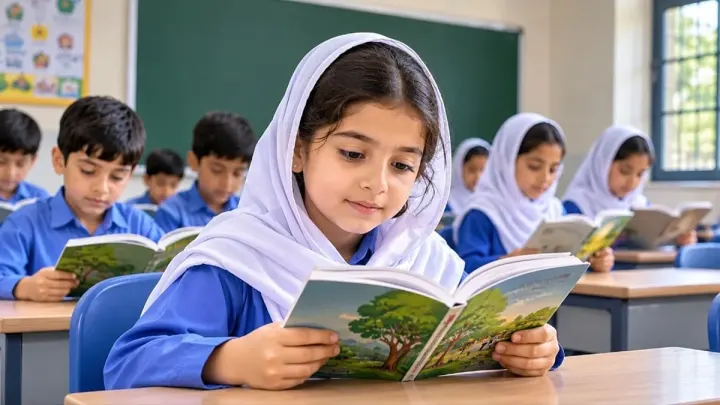
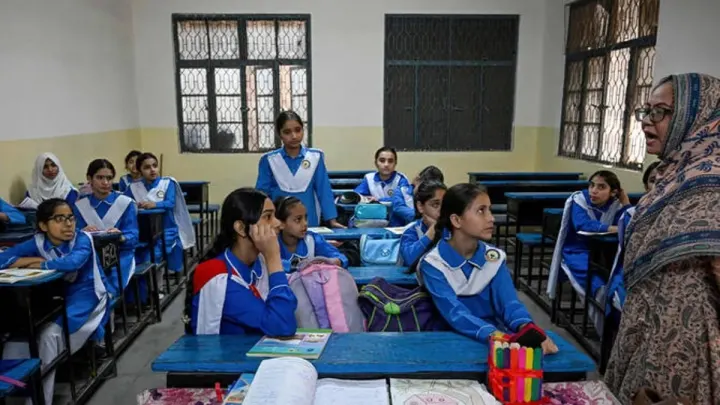
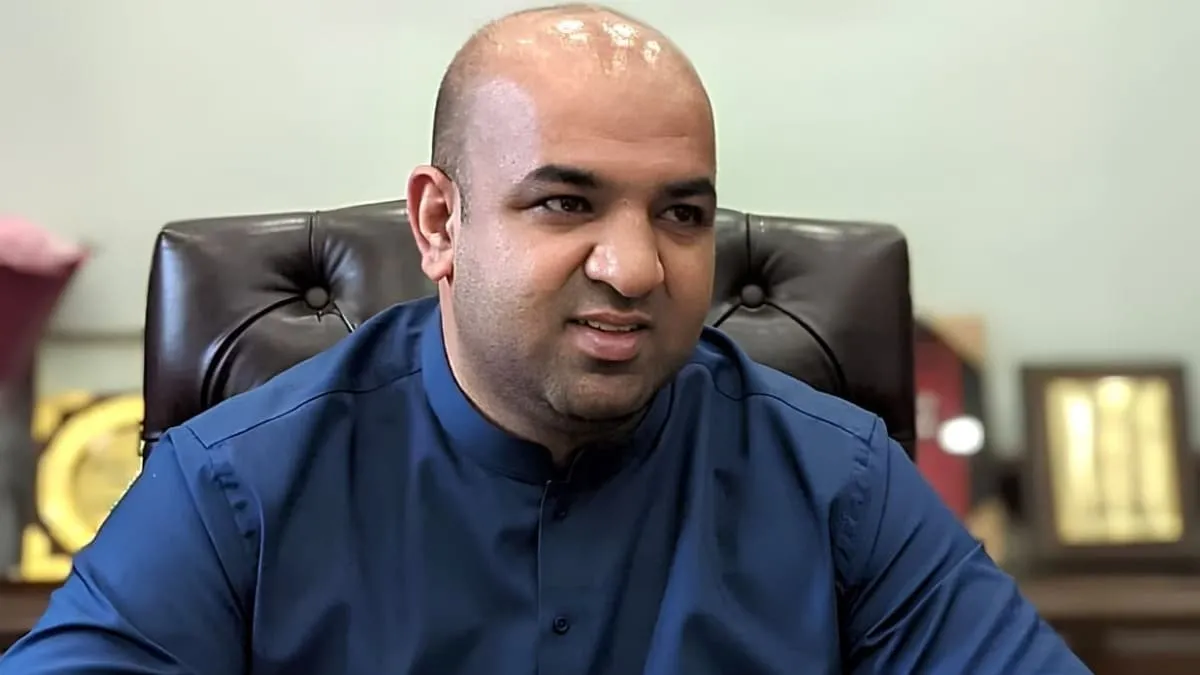
Punjab Education Minister Rana Sikandar Hayat has stated that nobody will be allowed to enter girls' schools in the province from now on, warning of strict action against anyone who tries. The announcement follows growing public concern regarding the privacy and safety of female students within educational institutions across the region. Authorities have faced mounting pressure from parents and civil society members to tighten access controls at campuses dedicated to young women and children.
The policy shift aims to create a secure environment where students can pursue their studies without facing intrusions from outsiders, media personnel, or unauthorized visitors. Officials emphasized that educational spaces require stringent protocols to prevent incidents that compromise the peace and well-being of pupils. The provincial government intends to enforce this directive strictly across all districts under its jurisdiction.
Social Media Outrage Sparks Immediate Government Response
The strict directive came in direct response to a video shared on the social media platform X earlier on Saturday. The user who posted the footage claimed that a Samaa News anchor holding a microphone had forcibly entered the section of a government school meant for children and women. The user questioned whether children and women in government schools have any right to privacy, directly tagging the education minister to demand accountability.
Minister Hayat took to X on Saturday night to address the incident and outline the official stance of the provincial administration. He wrote that nobody will be allowed inside female schools from now on, adding that female students are our daughters and their sanctity and security are our responsibility. He warned that if anybody dares to violate the new order, a lesson will be taught.
Understanding Institutional Security in Punjab Education Facilities
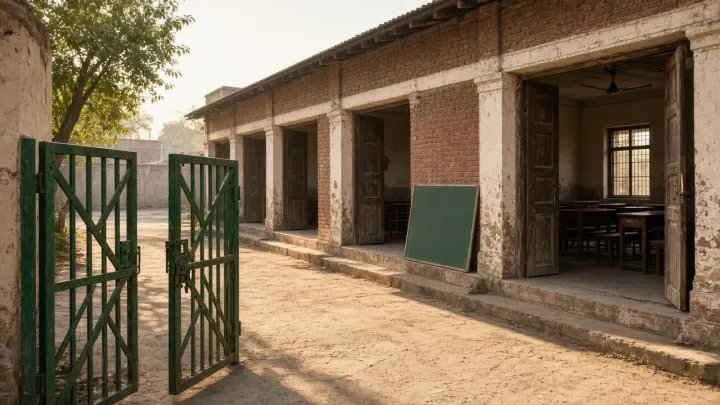
Public schools and colleges in Punjab accommodate millions of young learners, making campus security a complex logistical challenge for local administrations. Historically, many government-run institutions have maintained open or semi-open gates, allowing visitors, vendors, and media teams to enter premises with minimal checks. This lack of rigorous perimeter control has frequently raised concerns among parents regarding the safety of minors and young women attending classes daily.
The absence of strict visitor management systems often leaves classrooms vulnerable to sudden intrusions. While educational institutions are public service centers, the specific areas housing female students and young children require higher levels of restricted access. Administrators face the dual task of maintaining transparent public operations while safeguarding the personal space and psychological comfort of students.
Historical Context of Student Safety Measures in Punjab
Punjab has taken similar steps to protect female students in the past, reflecting a continuous policy focus on campus security. In 2024, the province decided that women's hostels, schools, and colleges will only have female staff to foster a more comfortable and secure atmosphere for enrolled learners. This earlier measure aimed to minimize external interference and provide dedicated female leadership within residential and educational facilities.
Furthermore, last year the province reportedly barred male teachers from girls' high and higher secondary schools. These successive policy decisions highlight a broader administrative trend toward gender-segregated management structures in female educational institutions. Policymakers argue that such steps are necessary to address cultural expectations and enhance the perceived safety of female education in conservative districts.
Practical Impact on Schools, Media, and Visitors
The newly announced ban alters day-to-day operations for schools, external visitors, and media organizations operating within Punjab. Journalists and reporting crews accustomed to entering public institutions for news coverage must now secure formal permission or remain outside campus perimeters. School principals and administrative staff now carry the direct responsibility of monitoring entry points and turning away unauthorized individuals.
For parents and guardians, the strict enforcement offers reassurance that educational environments will maintain tighter boundaries against outside interference. However, educational administrators must balance this security with the need for transparent community relations and administrative inspections from authorized government officials. Clear guidelines regarding who qualifies as authorized personnel remain essential for smooth daily functioning.
What Comes Next for Enforcement and Official Documentation
At the time of writing, the post shared on social media did not name the school or its specific geographic location. Additionally, no official notification on the matter had been reported by the provincial education department. Observers are watching for formal circulars detailing the exact enforcement mechanisms, penalties for trespassers, and protocol exceptions for official inspections.
Implementation details will determine how effectively the ministerial decree translates into ground-level security changes across thousands of schools. District education authorities across Punjab are expected to issue detailed standard operating procedures for school guards and principals in the coming days. Compliance reports from various districts will measure the success of the directive in preventing unauthorized entries.