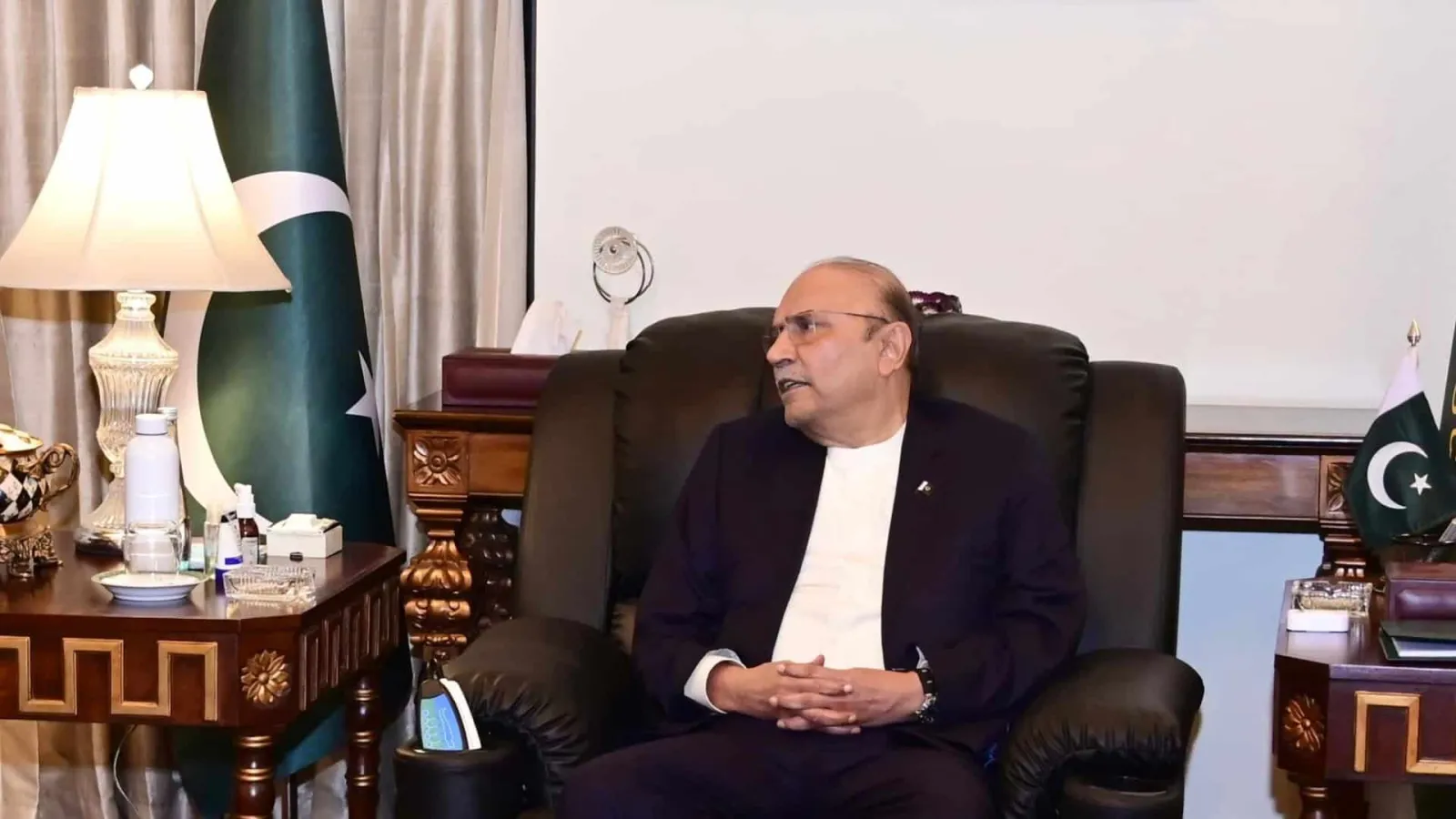
President Asif Ali Zardari approved five ordinances for Khyber Pakhtunkhwa on Saturday, removing the majority of parliamentary privileges enjoyed by provincial lawmakers and creating powerful executive committees to accelerate development projects while the province remains under emergency and governor's rule.
The President's office confirmed the ordinances, and four of them were published in the Official Gazette on November 19. The measures come as the KP Provincial Assembly has been suspended since October 11, with legislative authority now residing in the federal Parliament.
What the Ordinances Change for KP Lawmakers
The KP Provincial Assembly (Powers, Immunities and Privileges) (Amendment) Ordinance deletes 21 of the 40 sections of the existing privileges law. As a result, members of the provincial assembly (MPAs) lose several key protections:
- No longer protected from preventive detention.
- The Speaker's permission is no longer required before an arrest.
- Immunity from civil or criminal action for statements made in the assembly is removed.
- Breach of privilege is no longer a criminal offence.
These changes effectively place KP MPAs on the same legal footing as ordinary citizens, even though the assembly itself is not functioning. Despite the suspension, MPAs continue to receive their salaries, a point highlighted by reports that former chief minister Sohail Afridi, whose executive role was rendered non-functional by governor's rule, along with Speaker Babar Saleem Swati and other legislators, have been held in preventive detention since the emergency began.
Why the Privilege Stripping Matters
Parliamentary privilege is designed to protect legislators from undue interference, allowing them to debate and legislate without fear of arrest or civil suits. By removing these safeguards, the federal government can more readily detain or question KP lawmakers without the procedural hurdles that previously required the Speaker's consent. Critics argue that the move undermines the separation of powers and could be used to silence opposition voices, while supporters claim it is necessary to maintain law and order during the emergency.
Special Committees for Accelerated Development
Two of the five ordinances, collectively titled the Special Initiatives Ordinances, establish executive committees tasked with fast-tracking development work across the province. One committee will cover 12 designated districts, while a second will oversee the remaining districts. The Prime Minister will nominate members for the committee covering the designated districts, and the governor will nominate members for the other committee.
These committees are granted sweeping powers:
- Authority to declare projects urgent, bypassing standard procedural timelines.
- Power to approve PC-Is (project contracts) without the usual competitive bidding process.
- Ability to grant anticipatory approvals, allowing projects to begin before all formalities are completed.
- Freedom to select executing agencies, including military formations, for any project.
Both ordinances explicitly override existing KP procurement laws and public-private partnership regulations. Moreover, civil courts are barred from exercising jurisdiction over the committees' decisions, meaning any legal challenge must be taken to higher federal courts or remain unresolved.
Context: Emergency and Governor's Rule in KP
Khyber Pakhtunkhwa has been under emergency rule since October 11, following a political crisis that led the federal government to suspend the provincial assembly. Under governor's rule, the province's executive powers are transferred to the governor, who acts on behalf of the federal cabinet. This arrangement is intended to be temporary, allowing the central government to restore order and address governance gaps before new elections are called.
Historically, emergency rule in Pakistan has been invoked during periods of severe law-and-order breakdown, natural disasters, or political stalemates. The most recent precedent dates back to 2007 when the then-President declared a state of emergency, suspending the constitution and curtailing civil liberties. The current emergency differs in that it specifically targets the provincial legislature, leaving the rest of the federal system intact.
Impact on Madrassahs and Legislative Officers
The fifth ordinance, the Societies (Registration) amendment, provides an exemption for madrassahs that are already registered with the Federal Education Ministry's Directorate General of Religious Education. These institutions will no longer need to register under the broader Societies Act, simplifying their legal status and potentially reducing bureaucratic oversight.
Another ordinance addresses the salaries, allowances, and privileges of the KP Assembly Speaker and Deputy Speaker. While the detailed figures were not released, the law codifies the remuneration package for these two officials, ensuring that their compensation remains protected despite the suspension of the assembly.
Legal and Institutional Implications
The removal of privilege protections raises questions about the constitutional balance between provincial autonomy and federal authority. Under Pakistan's 1973 Constitution, provinces have their own legislative assemblies with defined powers. However, Article 232 allows the President to declare a state of emergency in a province, temporarily transferring powers to the federal government. The current ordinances are issued under that constitutional provision.
Legal scholars note that the exclusion of civil courts from reviewing the committees' decisions could set a precedent for future emergency measures, potentially limiting judicial oversight in other provinces if similar emergencies are declared.
What Comes Next: Monitoring the Ordinances' Implementation
With the ordinances now official, the next steps involve the formation of the two special committees and the appointment of their members. The Prime Minister's office is expected to announce the nominees for the 12 designated districts within the next week, while the governor's office will issue a list for the remaining districts shortly thereafter.
Stakeholders, including civil-society groups, opposition parties, and development NGOs, are urging transparency in the committees' operations. They have called for public disclosure of project selection criteria, budget allocations, and timelines to prevent misuse of the broad powers granted by the ordinances.
In parallel, the suspended KP Provincial Assembly may seek legal recourse once the emergency is lifted, potentially filing petitions to restore the omitted privilege sections. Until the emergency ends, however, the federal government retains full authority over the province's legislative and developmental agenda.
Practical Takeaways for Citizens and Businesses
For ordinary citizens in Khyber Pakhtunkhwa, the immediate effect is a reduction in the legal shield that previously protected elected representatives. This could lead to increased political pressure on MPAs and may affect local advocacy efforts.
Businesses seeking contracts for development projects should be aware that the new committees can award contracts without the usual competitive bidding process, and that civil courts cannot intervene. Companies are advised to monitor announcements from the committees and to engage directly with the appointed members to understand eligibility and requirements.
Educational institutions, particularly madrassahs, will experience a streamlined registration process, potentially easing administrative burdens and allowing them to focus on curriculum delivery.
Overall, the ordinances mark a significant shift in how Khyber Pakhtunkhwa will be governed during the emergency period, concentrating decision-making power in the hands of the federal executive and its appointed committees.