How Omen AI and Aquatic Labs Are Transforming Data Center Cooling
US data centers use 17 to 19 billion gallons of water to cool their hot-running chips each year, and that number is expected to triple in the next five years, according to the Water Foundation. This massive consumption creates an expensive and politically tricky proposition for investors throwing billions of dollars at the challenge of scaling up artificial intelligence infrastructure.
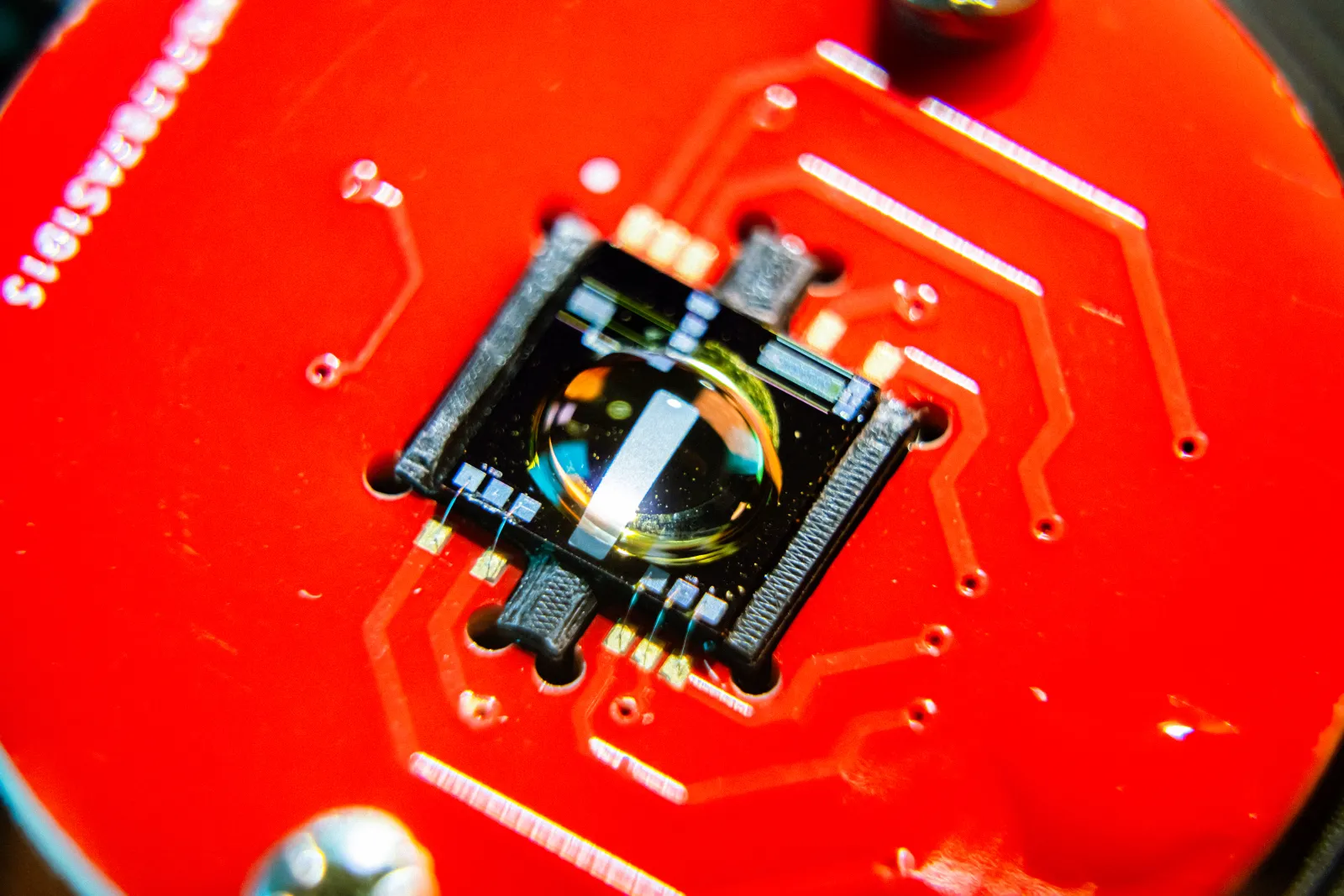
To address this critical challenge, startup Omen AI has announced the acquisition of competitor Aquatic Labs in a $16 million cash-and-stock deal. Founded in 2024, Omen AI is building real-time sensors to determine whether valves are failing or if bacteria growth in the cooling system threatens to choke off water flow. The acquisition brings together complementary technologies to automate a traditionally slow, manual process of monitoring industrial cooling fluids.
The Background of Data Center Water Usage and Fluid Monitoring
Modern computing facilities housing thousands of servers generate immense amounts of heat. Traditional air cooling systems struggle to manage the thermal output of advanced processors, forcing operators to adopt liquid cooling solutions. Water and specialized fluids absorb heat directly from the hardware, but this process introduces severe operational risks if the fluid chemistry changes.
Historically, monitoring the quality of these cooling liquids involved sending physical samples away to an external laboratory for tests in a multi-day process. If a fluid system gets out of whack, data center operators typically choose to dump the water rather than risk catastrophic damage to their expensive equipment. That safety measure requires shutting down operations until the system is restored, resulting in significant financial losses. Real-time sensor technology eliminates the multi-day laboratory delay by providing instant feedback on fluid conditions.
What the $16 Million Acquisition Combines
The deal came together after Omen founder Zach Laberge was introduced to Aquatic Labs CEO Allan Adams by an investor in the filtration space. Both startups were building real-time water sensors with distinct, complementary capabilities. Omen sensors looked for specific elements in the water, while the Aquatic Labs sensor tested fluid alkalinity.
Putting those two technologies in the same sensor creates a much richer picture of the water and the fluid. The transaction also unites two distinct founder backgrounds. Laberge dropped out of college to pursue his first company, which performed similar fluid analysis for large construction machines depending on hydraulics. Adams was an academic trained as a physicist who spent much of his career developing advanced ocean sensing technology as an Massachusetts Institute of Technology professor and Woods Hole Oceanographic Institute researcher.
Integration Plans and Market Timeline
Following the transaction, Allan Adams assumes the role of chief science officer at Omen AI. The combined teams are currently working to integrate both technologies into a single unified sensor. Leadership expects to have this integrated product on the market by early next year.
Omen already has ambitious deployment targets for its hardware. Omen initial sensors will be monitoring chips pulling in 250 to 300 MW of power by the end of the year, worth about $5 to $7 billion, according to Laberge. The company maintains the hope of being installed on the equivalent of 1 GW of chips by the end of 2027.
Practical Impact on Operations and Environmental Safety
Implementing continuous monitoring allows data center operators to use the same fluid for longer periods while minimizing the costs of a clean up. By preventing unexpected fluid degradation, facilities avoid costly downtime and reduce unnecessary water discharge.
Beyond internal data center efficiency, the technology holds broader environmental implications. Water goes into data centers, and then it comes out and gets dumped into municipal water, and operators want that whole process to happen in a way that is as safe and responsible as possible, which requires precise measurement. Accurate sensor data ensures that discharged fluids meet municipal safety standards and protect local ecosystems from contamination.
Navigating Market Shifts in Artificial Intelligence Infrastructure
Artificial intelligence companies once estimated as much as $4 trillion would be spent on AI infrastructure by 2030. However, some investors have grown skeptical of the buildout, sending hyperscaler stocks plummeting in recent days as they question the timeline for returns on massive capital expenditures.
Despite this financial volatility, the Omen team remains confident in market demand. Their work occurs after a data center has already been built, insulating them from early-stage financing cancellations. Omen works with customers on infrastructure they are building today or have already built, meaning shifting sentiment does not affect them because all of those projects were financed 12 months ago. Even if market growth slows down, leadership views the sector as the biggest market in human history.