Understanding the Punjab Online Route Permit System
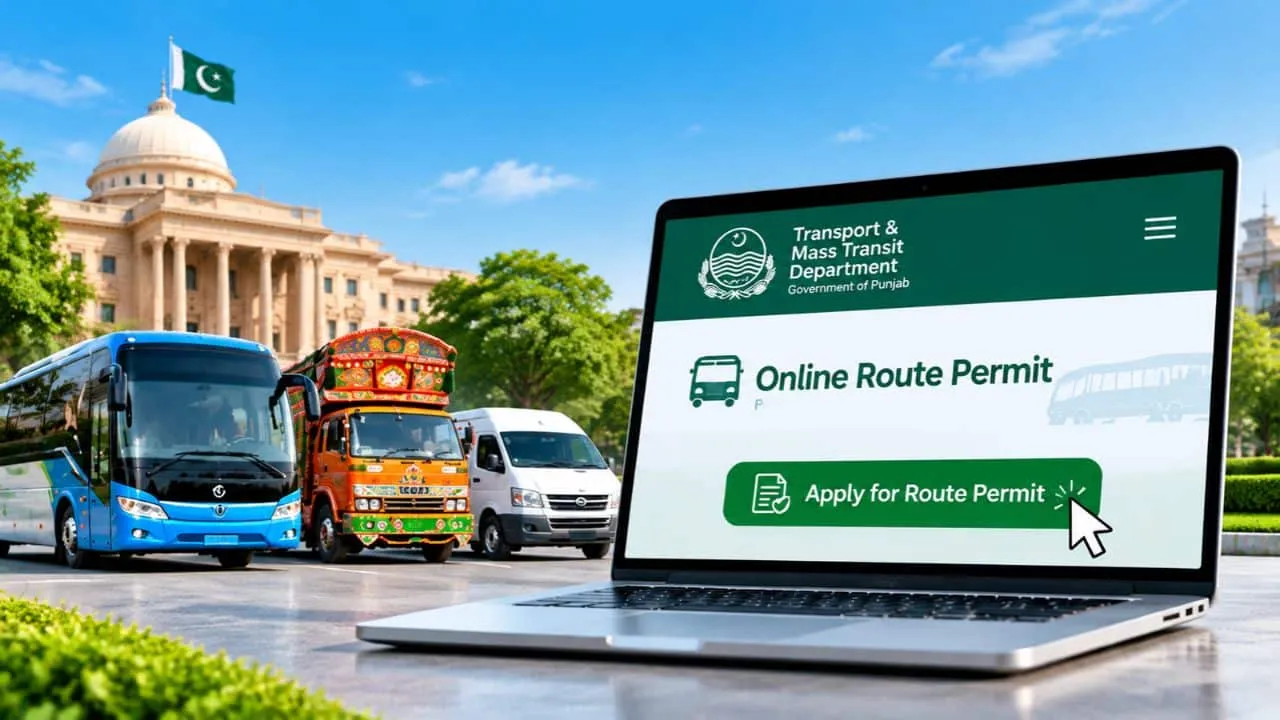
The Punjab government has launched an online route permit system, allowing transport operators to apply for permits through a dedicated government portal without visiting transport offices for initial applications. This digital transition marks a major shift in how public transport and commercial vehicles receive official authorization to operate across roads within the region. For decades, vehicle owners faced long queues and administrative delays at regional transport offices. The introduction of this electronic workflow removes the necessity of physical visits for the initial paperwork submission stage. Commercial drivers, fleet owners, and public transport operators can now initiate their requests from any location with internet access.
The Transport and Mass Transit Department has introduced the facility under the provincial government's Transport Vision 2030 initiative. This broader strategic framework aims to modernize public infrastructure, integrate digital technology into government services, and improve mobility standards throughout the province. By moving administrative processes online, the government seeks to eliminate bureaucratic bottlenecks that historically slowed down commercial transport operations. Transport operators can access the facility through the official Punjab Digital Transport Governance portal, which serves as the central hub for all digital transit services.
According to the department, the new service aims to reduce paperwork, simplify the application process, and improve transparency in the issuance of route permits. Transparency has been a persistent concern within regional transport administration, with paper-based systems often vulnerable to misplacement and discretionary delays. A digital system creates a clear audit trail for every submission, ensuring that applications are processed in the order they arrive. Reducing physical paperwork also lowers operational costs for the government and applicants alike, creating an efficient environment for commercial transport businesses to thrive.
Step-by-Step Guide on How to Apply for a Route Permit Online
Transport operators can submit their applications through the Punjab government's online route permit portal. The digital interface is designed to guide users through each phase of the application without requiring specialized technical knowledge. Applicants must first visit the official website and create an account. Those who already have an account can log in using their existing credentials, ensuring that repeat applicants can manage multiple vehicles or renewals under a single profile.
After signing in, users must enter their personal and vehicle information and complete the relevant route permit application form. They should also provide the supporting documents requested by the system. Accuracy during this data entry phase is vital, as mismatched vehicle registration details or incorrect identification numbers can cause delays in verification. Once applicants complete the required information, they can submit their applications online and follow the portal's instructions for further processing.
The digital transport system also supports online fee payments, application tracking, and downloadable route permits with QR codes for verification. Tracking allows operators to monitor whether their files are pending, under review, or approved by the transport authority. Once approved, the system generates a secure document featuring a unique quick response code. Law enforcement officers and transport inspectors can scan this code in the field to confirm the validity of the permit instantly, reducing roadside disputes and fraudulent paperwork.
Required Documents for Your Commercial Vehicle Permit
According to the Punjab Transport Department's existing route permit guidelines, applicants generally need to provide their CNIC, vehicle registration documents, proof of token tax payment, and a valid vehicle fitness certificate. The computer national identity card verifies the legal identity of the owner or company representative. Vehicle registration papers establish ownership details and ensure the commercial vehicle is properly registered with the excise department. Token tax receipts confirm that the owner has cleared all provincial motor vehicle taxes up to the current fiscal period.
A valid vehicle fitness certificate is mandatory for commercial transport to ensure passenger safety and environmental compliance. Authorized testing stations inspect brakes, steering, emissions, and structural integrity before issuing this clearance. The department also requires third-party risk insurance and an affidavit as part of the standard route permit application process. Third-party insurance protects against liabilities involving third-party injuries or property damage, while the affidavit acts as a legal declaration confirming the accuracy of the submitted details and compliance with transport laws.
Applicants seeking permits for intercity stage carriage services must also provide a passenger guarantee where applicable. This requirement ensures that bus and van operators maintain adequate fleet capacity and service reliability for long-distance commuters. The exact documents may vary depending on the vehicle category and permit type. Transporters should check the requirements displayed on the online portal before submitting their applications to avoid rejection or requests for supplementary documentation.
Online Fee Payment and Digital Verification Procedures
The Punjab Transport Authority's digital route permit system supports electronic payments through digitally generated challans and Payment Slip Identification numbers. These unique identifiers link the payment directly to the specific application in the database, preventing accounting errors and missing funds. Applicants can use the available payment channels to deposit the required fee and complete the payment process. These channels often include mobile banking applications, internet banking portals, and over-the-counter payments at designated commercial bank branches using the electronic slip.
The system also provides QR-based digital route permits, allowing users and relevant authorities to verify their authenticity online. This feature removes the physical vulnerability of traditional paper permits, which were susceptible to wear, tear, and counterfeiting. If a physical copy is lost, operators can log back into the portal and retrieve their approved documentation without filing formal requests for duplicate paper certificates. This self-service approach saves time for both transport operators and administrative staff.
The department has not specified a single application fee for all vehicle categories in its latest announcement. Permit costs vary based on factors such as vehicle size, seating capacity, engine rating, and whether the route is intra-city or intercity. Applicants should check the applicable charges for their selected permit type before making a payment. Ensuring the exact fee is deposited prevents reconciliation delays that can temporarily halt the movement of commercial vehicles on designated routes.
Impact of Digitalization on Transport Operators and Fleet Businesses
The shift toward digital governance transforms the daily operations of transport businesses across the region. Fleet owners who manage dozens of buses, delivery vans, or taxis previously had to assign staff members specifically to visit government offices for permit renewals and new applications. This administrative burden consumed valuable work hours and introduced unnecessary expenses. By centralizing operations onto a web portal, transport managers can handle compliance tasks from their offices, allocating staff to revenue-generating activities instead of paperwork queues.
Transparency improvements directly benefit honest operators who previously suffered due to systemic inefficiencies. Digital tracking creates predictability, letting businesses know exactly how long an application will take to clear. Furthermore, the integration of QR verification protects legitimate operators from unfair competition by rogue vehicles operating without valid route permits. Law enforcement agencies can quickly check compliance during highway patrols, ensuring a level playing field across the commercial transport sector.
As the Transport Vision 2030 initiative continues to roll out, further integration between transport databases and other provincial departments is expected. Transport operators should stay updated by regularly checking the digital portal for announcements regarding new vehicle categories, revised fee structures, or updated safety standards. Embracing these digital tools now prepares commercial transport businesses for future regulatory updates and ensures uninterrupted service for commuters relying on public and private transport networks throughout Punjab.