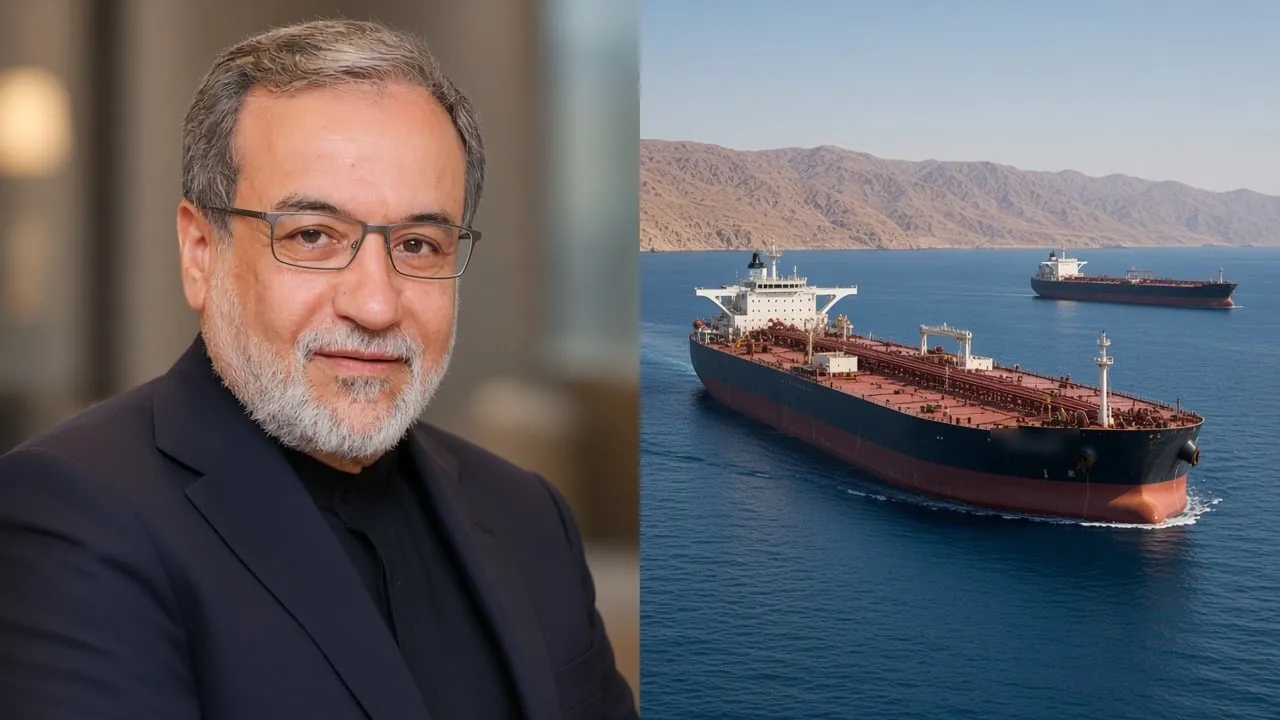
Iranian Foreign Minister Abbas Araghchi stated that the Strait of Hormuz might reopen in two days through a new arrangement developed with Qatari mediators, provided the United States agrees to specific terms set by Tehran.
Araghchi told Al Jazeera that discussions shortened the timeframe needed for the proposal. He said, "The Qatari side proposed shortening the implementation period of the Iranian proposal to five days. We have reached a proposal at this stage that reduces the implementation period to two days."
Iran's Conditions for Reopening Hormuz
The two-day schedule is not guaranteed, as Araghchi stated that the passage will only open according to Iranian demands. These conditions consist of:
- Lifting the sanctions imposed after the Islamabad memorandum
- Reducing US forces in the region
- Restoring waivers that allowed Iran to sell oil
- Releasing all frozen Iranian funds, including those held in Qatar
- Recognising the shipping routes Iran has discussed with Oman and closing all other routes through the strait
Araghchi mentioned, "Reopening the Strait of Hormuz in accordance with our conditions paves the way for the resumption of negotiations with Washington regarding outstanding issues."
The final condition implies that post-reopening, vessels would only navigate paths coordinated by Iran and Oman rather than the entire waterway.
Signs of a Shift Between Washington and Tehran
This initiative arises as both parties show milder rhetoric. Araghchi characterized a US dialogue proposal as a positive step, while an Iranian team visits Doha for discussions with Qatari representatives.
Mohsen Rezaei, Iran's security chief, noted he examined a message from US Vice President JD Vance showing a completely altered tone from Washington, calling it a very positive sign.
Washington has not issued any public reply to the two-day framework yet. Previously, Tehran proposed a seven-day reopening schedule tied to its requirements.
Earlier hopes for reopening also occurred in August, when Iran denied reports of opening Hormuz following statements by US President Donald Trump.
What This Means for You
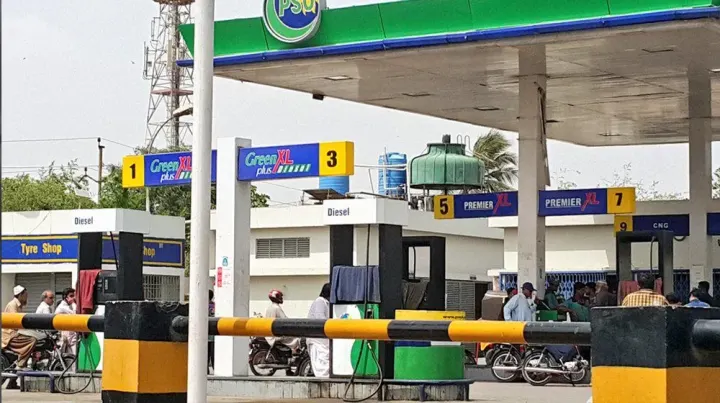
The Strait of Hormuz serves as a vital global oil passage, and its blockage sustained elevated international oil and gas costs for months. Because Pakistan secures most petroleum and LNG via the Gulf, disruptions instantly impact domestic fuel expenses.
Current official rates set petrol at Rs. 377.91 per litre and high-speed diesel at Rs. 402.96 per litre. A driver consuming 40 litres monthly currently pays around Rs. 15,116 for fuel, with every Rs. 10 per litre shift altering that bill by about Rs. 400.
With frequent government price updates, an official reopening of Hormuz and dropping international oil costs could lower local pump rates quicker than before.
However, without a US reply to Iranian demands, the two-day plan stays a mere proposal, offering no immediate pump relief. Pakistan has faced difficulties providing petrol price cuts during this crisis.
What Happens Next
Tehran asserts the waterway would open in two days following the acceptance of its terms, launching broader talks with the US. Nuclear-related matters are planned for separate handling after the passage reopens and discussions restart with Washington.