Lahore Traffic Police Target Fraudulent DLIMS Websites
Lahore Traffic Police have asked federal authorities to block websites allegedly issuing fake driving licences and verification letters to deceive citizens. The request comes amid a rising concern over online fraud schemes mimicking official government services in the region.
Chief Traffic Officer (CTO) Lahore Syed Abdul Raheem Shirazi wrote to the chairman of the Pakistan Telecommunication Authority (PTA) and the director general of the National Cyber Crime Investigation Agency (NCCIA), seeking immediate action and legal proceedings against those involved. The formal correspondence outlines the urgent need to shut down digital platforms that mislead motorists and compromise public safety.
How Fraudsters Operate Fake Driving Licence Portals
According to the correspondence, fraudsters were using websites designed to resemble official government platforms to sell fake driving licences and verification letters for substantial amounts. These illicit operators create convincing digital interfaces that mirror legitimate state portals to trick unsuspecting users into paying fees for invalid documentation.
Shirazi clarified that Punjab's official Driving Licence Information Management System (DLIMS) operates only through its authorized website, dlims.punjab.gov.pk. Citizens often search for licence renewal or verification services online, making them vulnerable to deceptive portals that mimic the authentic government address structure.
Specific Websites Identified by Lahore Traffic Police
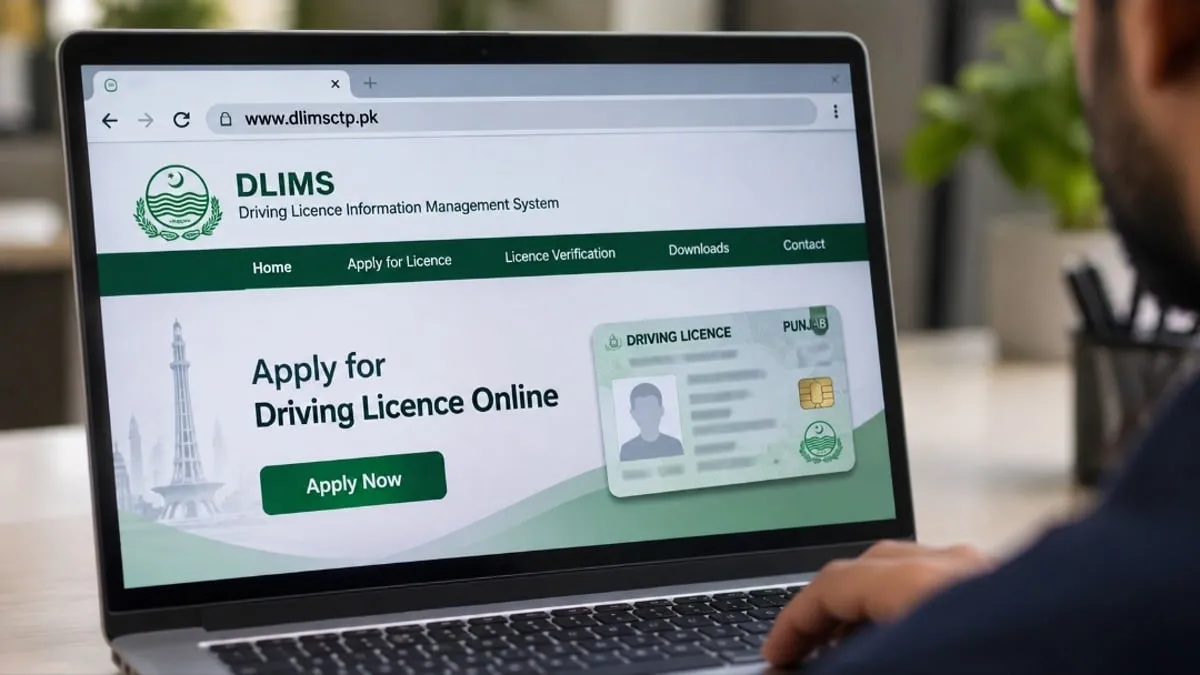
In the official letters sent to federal regulators, the Chief Traffic Officer pinpointed exact domains used by the cyber criminals. He also identified www.dlimsctp.pk as an allegedly fraudulent website that was offering fake licence verification services and issuing counterfeit verification letters.
The exposure of this specific domain highlights the tactics used by bad actors to establish false authority. By using names closely related to traffic police acronyms, these operators attempt to bypass the skepticism of everyday citizens seeking official transport department interactions.
Role of PTA and NCCIA in Cyber Crime Enforcement
The Pakistan Telecommunication Authority holds the statutory power to block access to unlawful online content across national networks. When local law enforcement agencies flag malicious domains, PTA coordinates with internet service providers to restrict traffic to those URLs within the country.
Meanwhile, the National Cyber Crime Investigation Agency handles criminal investigations related to digital fraud, identity theft, and online impersonation. The involvement of NCCIA ensures that perpetrators behind these fraudulent portals face formal legal charges and prosecution under applicable cyber crime laws.
Understanding Punjab DLIMS and Official Verification
The Driving Licence Information Management System is the central database managed by Punjab police to track driver records, issuances, and renewals. Authorized digital services allow motorists to check their licence status, apply for new permits, and verify official documents securely.
Relying on unauthorized portals risks not only financial loss through payment for counterfeit documents but also severe legal consequences for possessing illegal driving credentials. Authorities consistently urge the public to verify URL extensions before entering personal data or financial details on any web platform.
Impact on Citizens and Public Safety
The circulation of fake driving permits undermines road safety standards by allowing unqualified individuals to bypass mandatory testing and vetting procedures. Citizens who fall victim to these online scams face monetary losses and potential legal liabilities if caught driving with counterfeit paperwork.
Transport authorities across Punjab continue to run awareness campaigns to educate motorists on authentic digital channels. Law enforcement agencies maintain that stringent monitoring of web domains will continue to protect public interests from digital exploitation.