Mercedes Christesen Confronts Online Trolls Over 200 Tumours and Her Family
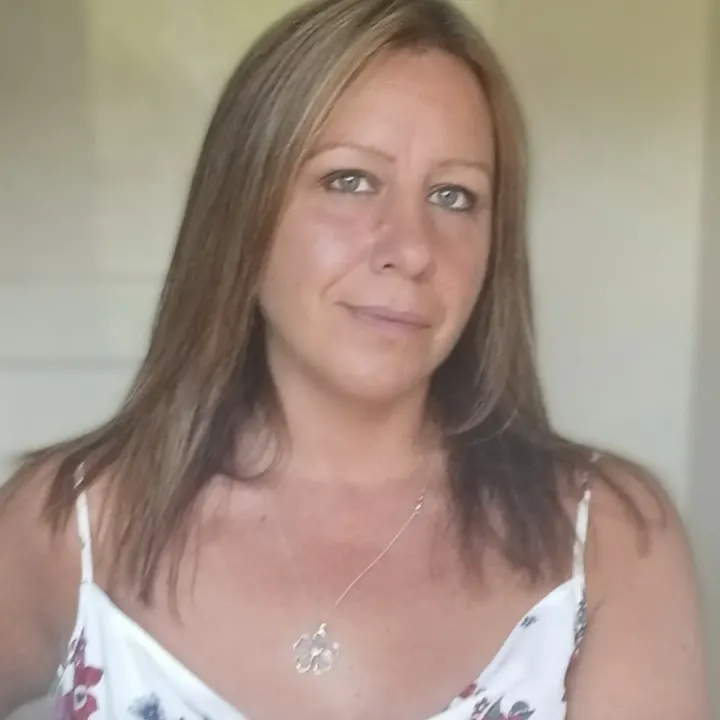
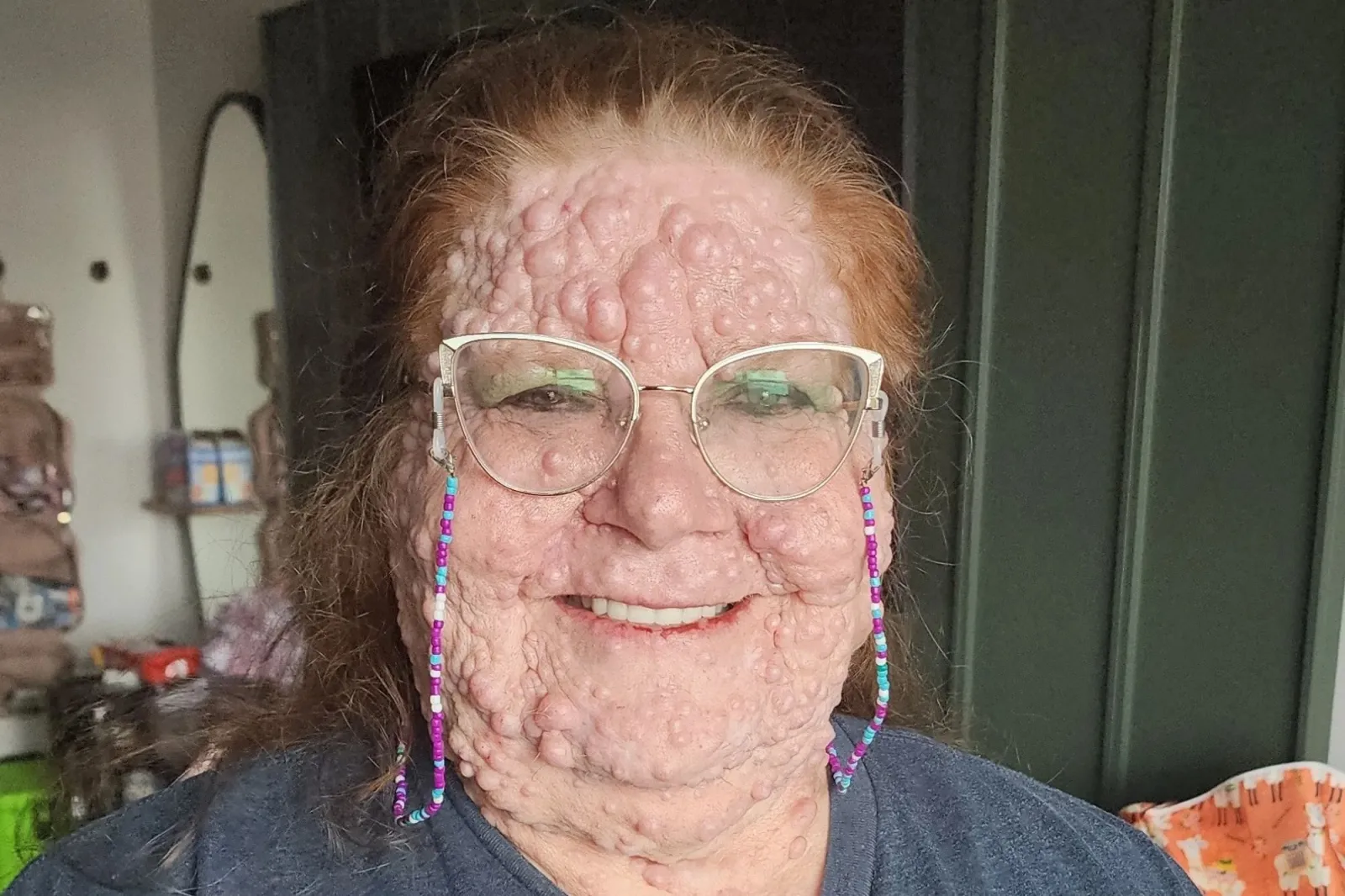
Mercedes Christesen, a 55-year-old content creator living in Boise, Idaho, has more than 200 tumours across her body due to a rare genetic condition called neurofibromatosis type 1. As a grandmother sharing her daily experiences on TikTok under the handle @hurricanemercedes1, she frequently encounters severe online hostility, including trolls comparing her appearance to the Black Death and criticising her decision to have children.
Despite facing relentless cruelty and bizarre historical comparisons from internet commenters, Christesen remains vocal about disability rights and family planning. Her journey highlights the severe lack of public awareness surrounding genetic conditions, the physical and financial tolls of managing chronic medical issues, and the emotional resilience required to live openly in the digital age.
Understanding Neurofibromatosis Type 1 and Its Symptoms
Neurofibromatosis type 1, commonly abbreviated as NF1, is a lifelong genetic condition that causes tumours to grow along the nerves and under the skin. It is triggered by an altered gene, which can either be inherited from a parent or occur spontaneously without any prior family history. While these tumours are typically non-cancerous, they can cause a wide variety of physical symptoms and medical complications that vary greatly from person to person.
Symptoms usually develop gradually over many years, often starting in childhood or becoming more prominent during the teenage years and early adulthood. Common signs include light brown patches on the skin known as café-au-lait spots, freckling in the armpits or groin area, and lumps on or just under the skin called neurofibromas, which can be painful or itchy. Other potential manifestations include small raised dots on the iris of the eye, specific skeletal differences like a large head or short stature, and learning difficulties.
Medical guidelines recommend at least annual check-ups to monitor symptoms and identify any changes early. Although there is currently no cure for the condition, various treatments can help manage specific complications, including surgical removal or medications for certain problematic tumours.
Diagnosis and Rapid Progression of Tumours
Christesen was diagnosed with neurofibromatosis type 1 when she was 19 years old, but she was never informed at the time that the condition was genetic or serious. When doctors initially identified her condition, she only had four or five small tumours, which medical professionals described as nothing to worry about. At that stage in her life, she had clear skin apart from occasional blemishes, and she had no idea how drastically her body would change in the coming decades.
The growths began multiplying rapidly after the birth of her eldest child, Yana, who is now 28 years old. The physical transformation accelerated quickly, and Christesen now estimates that she has over 200 tumours distributed all across her body, including her face. The internal impact has also been severe, as she discovered that her uterus was filled with neurofibromas approximately the size of golf balls.
Christesen has considered undergoing procedures to have some of her tumours removed, but she notes that the process can be very cost-prohibitive even for individuals with health insurance. Medical insurance policies often require such procedures to be strictly classified as medically necessary before providing coverage, leaving patients to navigate expensive medical bills for symptom relief.
Family History and Inheriting the Condition
When Christesen received her diagnosis at age 19, she was the first person in her family to have the condition, representing what doctors described as a spontaneous occurrence. Because she was not told that the altered gene could be passed down to offspring, she later experienced feelings of guilt when her own daughters were diagnosed with neurofibromatosis type 1. Both Yana and her younger sister Debbie, whose name has been changed to protect her anonymity, inherited the condition.
Furthermore, the genetic trait has extended to the next generation, as Christesen now has four grandchildren, consisting of three boys and one girl. Out of those four grandchildren, two have inherited the altered gene that causes the condition. One of the infants, referred to online as baby Z, has already developed typical café-au-lait spots, while the other grandchild, known as baby S, has not shown any signs of the condition yet.
A parent who has neurofibromatosis type 1 carries a 50 per cent chance of passing the affected gene to a child in each pregnancy. This statistical reality is well-documented by medical institutions, yet families navigating these choices often face external judgement from people who misunderstand how genetic inheritance works.
Defending the Right to Have a Family Against Online Stigma
As an active TikTok content creator, Christesen uses her platform to document her reality and connect with others, but this visibility also exposes her to harsh cyberbullying. Trolls have attacked her choice to become a mother, suggesting that people with visible genetic disorders should refrain from having children. Christesen firmly rejects this line of reasoning, comparing such arguments to outdated and harmful eugenics ideologies.
Disabled people and individuals living with genetic conditions possess every bit as much right to build a family as anyone else, according to Christesen. She also passionately defends her daughter Yana, who made the personal choice to become a mother despite knowing the risks associated with the family history. Christesen points out that questioning a person's fundamental right to reproduce based on genetic variations ignores basic human autonomy and dignity.
In addition to criticism regarding her family, Christesen has faced bizarre insults comparing her appearance to individuals suffering from the Black Death during medieval times. Responding with characteristic practicality, she notes that detractors are confusing her non-contagious genetic condition with the bubonic plague, which is caused by bacteria and is entirely unrelated to neurofibromatosis.