The head of Pakistan's mine owners' body has received a nomination for the Board of the Pakistan Mineral Development Corporation, creating potential conflict-of-interest concerns. State-owned operators currently find themselves in legal battles against the very contractors that this particular association represents. Officials at the Ministry of Petroleum have forwarded four distinct panels of candidates to the Prime Minister. The Prime Minister will ultimately choose four independent directors to fill these crucial seats on the board.
This development arrives at a critical juncture for the state-owned enterprise, which manages vital mineral resources across the nation. As the government attempts to attract foreign investment into the domestic mining sector, governance structures face intense scrutiny. Observers and industry insiders are closely watching how the administration resolves these competing interests while trying to modernize an aging industrial framework.
Who Is on the Four Panels for PMDC Board Selection
The selection process involves twelve individuals divided evenly across four distinct panels. For the first panel, the ministry proposed Zafar Mahmood as Chairman, alongside Shehryar A. Buksh and Dr. Nisar Ahmed Cheema. The second panel features Mir Behroz Regi, Ardeshir Khursheed Marker, and Javaid B. Sheikh.
Moving to the third panel, the nominees include Muhammad Ayub, Zarak Khan, and Mian Ghulam Mustafa. The fourth and final panel consists of Sima Kamil, Zara Salman, and Javeria Tareen. Each of these candidates brings different professional backgrounds to the table, though the inclusion of certain figures has sparked immediate debate within mining circles.
Why Mir Behroz Regi Nomination Raises Conflict Concerns
Mir Behroz Regi holds the position of President within the All Pakistan Mine Owners Association. The members of this association include numerous Raising Contractors who currently do business with the state corporation. This dual role places a representative of private contractors in a position to influence corporate policy at the state level.
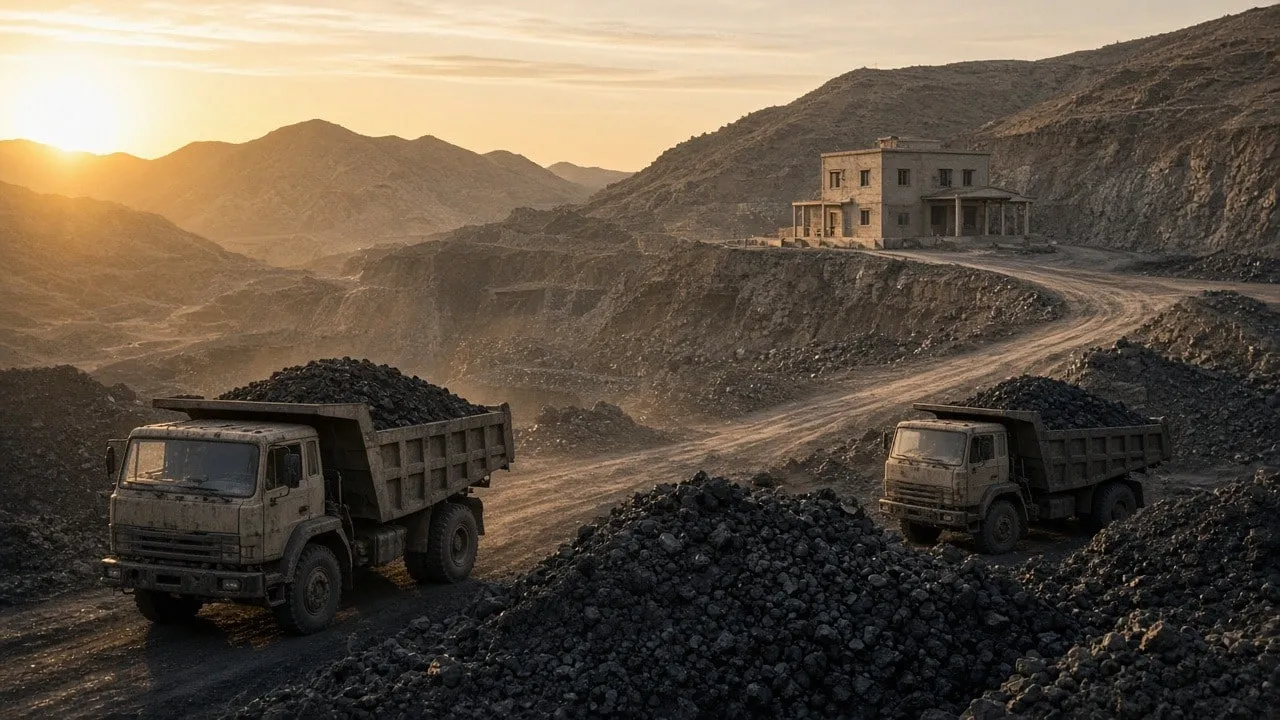
Sources indicate that these contractors previously paid the corporation around Rs. 1,500 per tonne of coal. At the same time, those same contractors sold that exact coal in the open market for approximately Rs. 40,000 per tonne. Financial projections warned that this extreme disparity would push the state firm's cash flows into negative territory within a couple of years.
Understanding the Joint Operation Model and Recent Disputes
To counter declining revenues and poor financial returns, the state corporation introduced a Joint Operation Model. This administrative shift aims to boost revenue, tighten operational oversight, and promote safer mining practices across all active sites. However, the private contractors strongly resisted these new terms through organized strikes, extensive litigation, and heavy political pressure.
Currently, the state firm is actively contesting these various disputes in multiple courts across the country. A board member who maintains close ties to those opposing contractors would sit on the exact body responsible for deciding the future of these reforms. Such an appointment could complicate ongoing legal battles and internal restructuring efforts.
Financial Background of Coal Extraction Contracts
Under the previous contracting agreements, the state entity retained less than 4 percent of the total market value of the extracted coal. Meanwhile, the private contractors generated profits of about Rs. 38,500 per tonne of coal sold. This financial imbalance drained resources that could otherwise fund modernization and worker safety programs.
The stark difference between what the state received and what private operators earned highlights the urgency of structural reform. Industry analysts point out that reforming these legacy agreements is essential for the long-term viability of state mineral enterprises. Without changes, public assets risk continuous underperformance while private entities capture the vast majority of market value.
Government Strategy for Foreign Investment in Minerals
The federal government has repeatedly stated its intention to revitalize the mineral sector to draw foreign capital. Officials argue that modernizing extraction techniques and ensuring transparent governance will attract international mining majors. Clear regulatory frameworks and independent oversight boards are standard requirements for foreign investors looking at large-scale resource projects.
Placing individuals with direct commercial stakes in regulatory bodies could deter potential international partners who demand transparent market conditions. The Ministry of Petroleum faces the task of balancing domestic industry participation with the transparency needed for global investment. The Secretary Petroleum did not respond to a request for comment regarding these specific vetting procedures.
What to Watch for in the Coming Weeks
The final decision now rests with the Prime Minister, who must review the four panels and select the independent directors. Observers will monitor whether the final appointments address the raised concerns regarding industry representation and governance standards. Legal proceedings between the state corporation and the contractors will also continue to unfold in the courts.
The resolution of these board appointments will likely set a precedent for how state-owned resource companies manage relationships with private operators. Stakeholders across the mining sector await official notifications detailing the successful candidates and their assigned roles within the corporate structure.