Pakistan May Launch Direct Flights to Spain to Boost Trade
Spain's Ambassador to Pakistan, Carlos Aragon, has urged both countries to prioritize direct flights, saying stronger air links could significantly increase bilateral trade. The diplomatic push comes as commercial leaders seek deeper ties between the two nations, opening new avenues for economic growth, industrial cooperation, and cultural exchange.
Speaking to the business community at the Faisalabad Chamber of Commerce and Industry, the ambassador also pledged to simplify visa processing. Business applicants would receive priority to help them secure visas without unnecessary delays, he said, addressing a long-standing concern of local exporters and entrepreneurs who travel to Europe for commerce.
How Direct Air Links Impact Pakistan Spain Commerce
Establishing direct flight routes between Pakistan and Spain would eliminate layovers, reduce shipping times for high-value commercial goods, and ease travel for business delegates. Trade experts note that robust transport infrastructure forms the backbone of international commerce, allowing manufacturers to respond more quickly to market demands in Europe.
During the chamber meeting, discussions centered on how reduced travel barriers and faster transit times can directly benefit small and medium-sized enterprises. Business leaders emphasized that seamless connectivity serves as a catalyst for joint ventures, technology transfers, and frequent delegation visits.
Visa Simplification for Pakistani Business Applicants
The commitment by Ambassador Aragon to streamline visa procedures for business applicants marks a practical step toward removing administrative hurdles. Bureaucratic delays have historically hindered commercial interactions, making it difficult for Pakistani traders to attend trade fairs and meet European partners.
Under the proposed prioritization, verified members of chambers of commerce can expect faster evaluations of their travel requests. This change aims to encourage more bilateral visits and foster greater trust between the business communities of both countries.
Women Empowerment and Climate Action Cooperation
Aragon identified women empowerment, efforts to reduce the effects of climate change, and the circular economy as key priorities for Spain. He said these areas offered opportunities for cooperation with Pakistan, aligning international development goals with local initiatives.
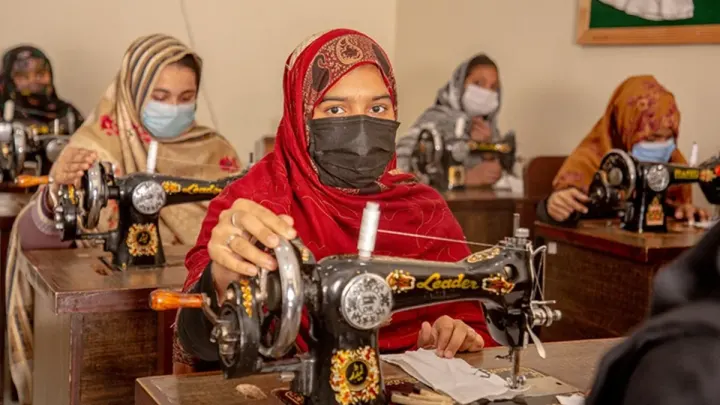
Spain was working with the United Nations to advance women empowerment, he added. Meanwhile, a UNICEF-funded project in Punjab was providing training and practical skills to young girls, equipping them with tools for financial independence.
The ambassador expected the project first phase to finish by the end of the current year. The second phase would begin after the first concluded, ensuring continuous support for community development.
Circular Economy and Textile Recycling Initiatives
Turning to the circular economy, Aragon said Spain had introduced a national strategy four to five years ago. Although the two countries had no formal agreement in this area, some Spanish companies already supplied textile recycling machinery to Pakistan, he noted.
FCCI President Arif Ehsan Malik welcomed the ambassador and highlighted substantial untapped potential in Pakistan-Spain trade. Malik also said he was working to secure recognition for Faisalabad as Pakistan first circular city, citing the city consumption of 90% of textile waste and 65% of plastic waste in support of that effort.
Malik described FCCI as an elected representative body for Faisalabad business community. He said the chamber had 20,000 members and called it Pakistan textile engine, noting that most exporters fully complied with labor and environmental laws while meeting their other international responsibilities.
Faisalabad Chamber Invites Spanish Investment in M3 Industrial Estate
During the formal proceedings, Malik invited Spanish investors to explore opportunities at M3 Industrial Estate. The industrial zone offers developed infrastructure and strategic advantages for foreign manufacturing enterprises seeking a base in South Asia.
Malik also thanked Aragon for Spain support for Pakistan GSP Plus status, which grants preferential access to European markets for qualifying exports. He said Pakistan supplied traditional textile products that local businesses could co-brand with Spanish partners.
Malik praised Spain expertise in olive oil production, suggesting that cooperation in this sector could benefit both countries through agricultural knowledge sharing and joint production ventures.
Educational Partnerships and University Cooperation
In addition to industrial proposals, Aragon said Spanish universities offered Pakistani students valuable opportunities for personal and academic development. He added that Pakistani graduates of these institutions could help strengthen Pakistan image internationally.
The Spanish embassy would support closer ties between Pakistani students and universities in Spain, he assured participants. Malik further proposed a partnership between a Spanish design school and the Textile University of Faisalabad, stating that such cooperation could support industrial design, fashion, and innovation.
The event featured active participation from local business leaders, including Kashif Zia, Muhammad Faheem, Kanwal Saeed, Dr. Muzamil Hussain, Hunain Hamid, Muhammad Umer, Mudassar Amin, Taimoor Tahir, Muhammad Awais, Muhammad Yousaf, and Sohail Butt. FCCI Senior Vice President Mian Muhammad Saeed later delivered the vote of thanks, and Malik concluded the gathering by presenting the FCCI shield to Ambassador Carlos Aragon.