Murree Launches Mission Safe Winter Tourism Plan
The district administration, National Disaster Management Authority, and Rescue 1122 have finalized an extensive winter tourism safety and disaster management plan for Murree to protect tourists and prevent any untoward incidents during the snowfall season.
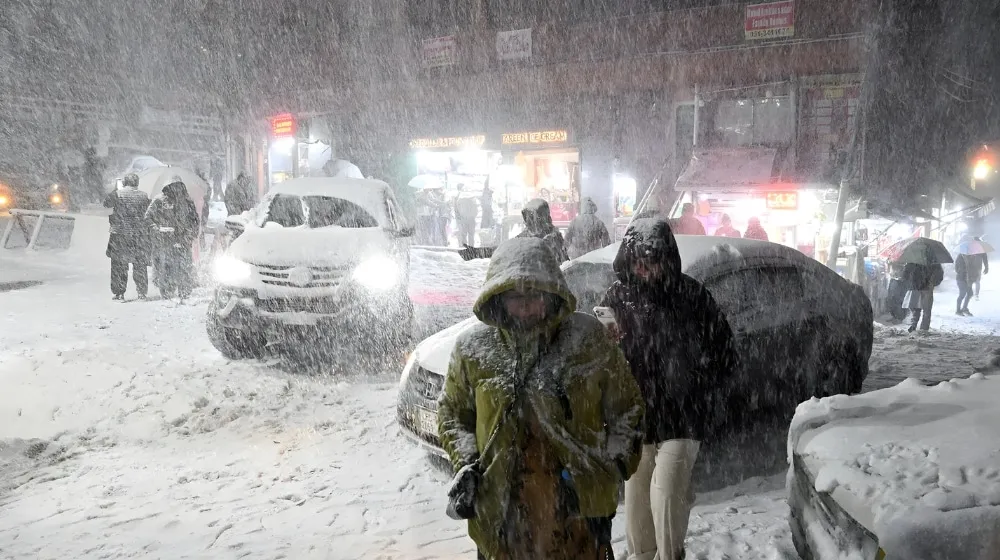
The plan, titled Mission Safe Winter, has been activated following the first snowfall in the Galiyat region, with the official winter tourism season scheduled to run from December 15 to February 15. The administration has put comprehensive arrangements in place to ensure uninterrupted traffic flow and visitor safety during heavy snowfall.
How Tourist Facilitation Centers Operate in Murree
Under the plan, 19 tourist facilitation centers have been established at various locations across Murree, Galiyat and the routes connecting Rawalpindi, Khyber-Pakhtunkhwa and Azad Kashmir. These centers will provide immediate assistance and guidance to tourists during emergencies.
The establishment of these centers marks a significant coordination effort among regional authorities to manage the annual influx of visitors. Travelers entering the hill station can rely on these hubs for up-to-date weather updates, route guidance, and basic emergency medical care before proceeding further into higher altitudes.
High-Tech Surveillance and Security Measures
Round-the-clock surveillance of Murree roads and entry points is being maintained through 181 high-tech Safe City cameras and thermal drones. A special Pakistan Army contingent will also remain deployed for continuous monitoring.
Thermal drones offer advanced visibility during heavy blizzards and fog, allowing operators to spot stranded vehicles or medical emergencies when ground visibility drops to near zero. The integration of modern cameras with army surveillance creates a multi-layered security grid across the entire mountain district.
Health Services and Price Regulation in Murree
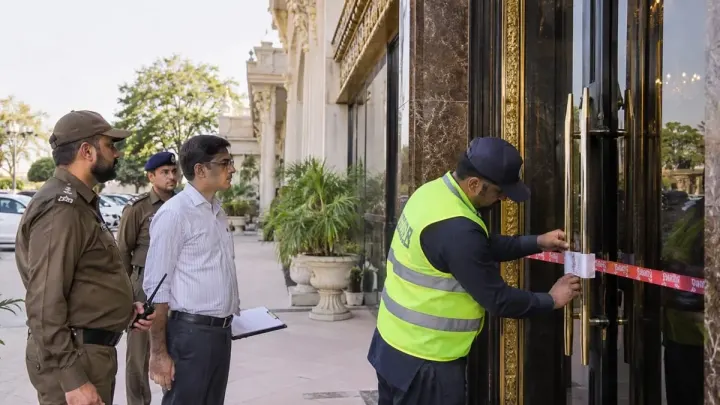
The Health Department has been directed to ensure 24-hour availability of doctors and medicines at hospitals, while the Punjab Enforcement and Regulatory Authority will monitor hotels and petrol stations to prevent overcharging, profiteering and violations of officially prescribed rates. Uniform fare schedules and standardized food prices will also be enforced.
Visitors often face inflated lodging and transport costs during peak tourism months due to high demand. The strict regulatory oversight aims to curb exploitative pricing practices by local vendors and ensure that basic commodities remain accessible and affordable for families visiting the region.
Road Clearance and Emergency Response Infrastructure
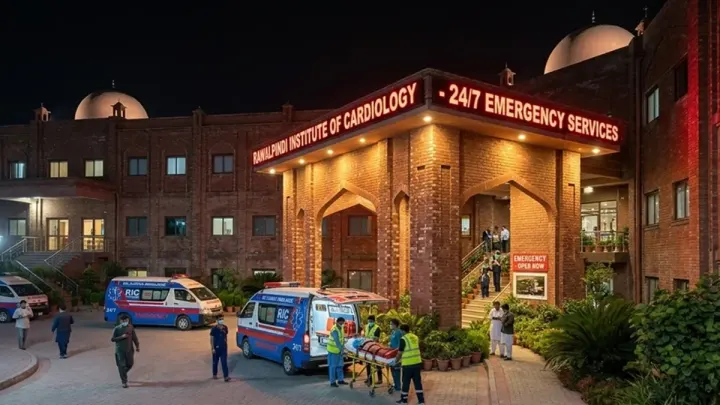
To keep roads clear during snowfall, more than 20 modern snow-clearing vehicles, cranes and loaders have been positioned at key locations. New Rescue 1122 stations have been made operational, while an air ambulance strip along the Murree Expressway has also been proposed to facilitate aerial assistance during serious emergencies.
Heavy accumulation of snow frequently blocks mountain arteries, trapping thousands of vehicles if not cleared immediately. Positioning specialized machinery directly at vulnerable points ensures rapid deployment the moment precipitation begins, minimizing the risk of prolonged traffic gridlocks.
Background of Winter Tourism Management in Hill Stations
Hill stations in northern regions experience massive tourist influxes as soon as winter weather forecasts predict snowfall. Historical overcrowding incidents prompted regional authorities to overhaul disaster response mechanisms, shifting from reactive responses to proactive deployment models.
Coordination among provincial disaster management bodies, municipal departments, and federal rescue agencies has evolved to address recurring logistical bottlenecks. Establishing dedicated routes and deploying heavy machinery prior to peak storms helps mitigate the historical challenges associated with sudden weather shifts in mountainous terrain.
Impact on Local Businesses and Visiting Travelers
The comprehensive safety framework directly impacts thousands of travelers, local hoteliers, transport operators, and small business owners operating throughout the tourist belt. Visitors gain higher confidence in regional safety standards, knowing that emergency medical teams and rescue units maintain constant vigilance.
Business owners benefit from structured traffic flow, as blocked roads traditionally halt commercial activity and prevent supplies from reaching local markets. Standardized pricing policies also protect consumers while establishing a fair, predictable economic environment for hospitality providers across the district.