Rawalpindi Institute of Cardiology Introduces New OPD Appointment System
The Rawalpindi Institute of Cardiology has introduced an advanced appointment system for its Outpatient Department to reduce waiting times and long queues. This administrative change targets chronic congestion in public health waiting areas, bringing a structured approach to daily patient intake. Hospital leadership developed this method to streamline patient flow and ease the physical strain on visitors seeking specialist cardiac care.
Long wait times have historically challenged public medical facilities in the region, often forcing patients to spend hours standing in crowded corridors. By shifting to a scheduled framework, the institution seeks to manage daily capacity more effectively. The transition represents a major shift in how cardiac patients access routine consultations and follow-up evaluations at the public facility.
Who Needs to Schedule Appointments at Rawalpindi Institute of Cardiology
Under the new system, patients who have undergone bypass surgery or angioplasty will be required to schedule appointments for their follow-up visits. These specific patient groups require regular monitoring by cardiologists to check healing progress and manage medications properly. Requiring scheduled slots for post-operative cases ensures that specialists can devote adequate time to each high-risk individual without rushing through crowded lists.
However, separate clinics will continue to accommodate patients without prior appointments during the initial phase. This transitional provision ensures that individuals arriving unexpectedly still receive attention while the hospital publicizes the new requirements. Hospital administrators intend to phase this flexibility out gradually as the population becomes accustomed to the digital or telephone booking process.
Emergency Services and Patient Guarantees
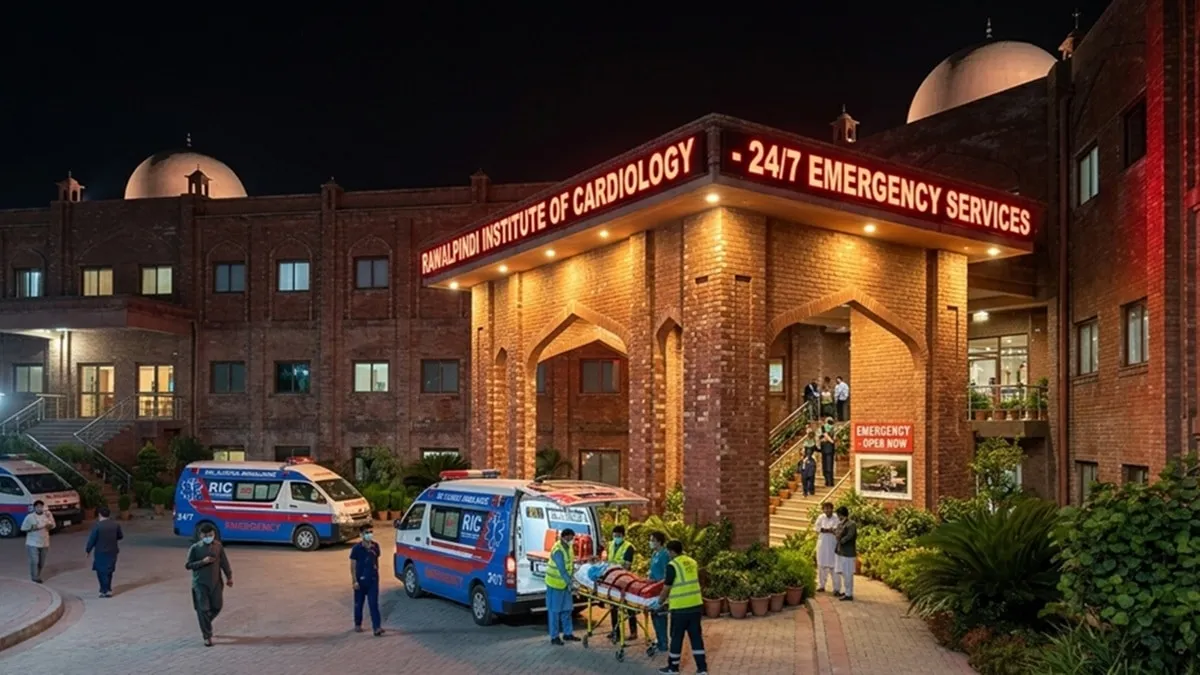
The hospital administration has assured that no patient will be turned away without a medical checkup, while emergency services for heart patients will remain available 24 hours a day. Cardiac emergencies require immediate intervention, and the emergency department operates independently of the outpatient scheduling rules. Anyone experiencing acute chest pain or severe cardiac distress can still walk into the facility at any hour of the day or night.
Public health advocates often worry that strict administrative rules might restrict access for vulnerable populations. By explicitly promising that nobody seeking urgent medical evaluation is refused, the administration maintains its core humanitarian mandate. This guarantee covers both local residents and individuals arriving from neighboring districts for emergency stabilization.
Improving Medical Facilities and Regional Access
The initiative is aimed at improving patient care and providing better medical facilities, particularly for those traveling from distant areas. Many people journey from rural towns and smaller cities surrounding Rawalpindi to receive specialized heart treatment. Spending an entire day waiting for a brief consultation creates severe logistical hardships for these long-distance travelers and their families.
Organized appointment times allow visitors to plan their travel schedules around exact consultation windows rather than guessing when a doctor might become available. This predictability reduces the financial and physical toll associated with repeated hospital visits. Better resource allocation also allows medical staff to maintain higher standards of clinical attention throughout each working shift.
Addressing Public Grievances Through a New Complaint Center
RIC has also established a complaint center to address public complaints and concerns. Administrative transparency requires reliable feedback channels so that management can identify operational bottlenecks quickly. Patients and family members can register grievances regarding appointment scheduling, staff conduct, or facility cleanliness through this dedicated office.
Resolving friction points promptly helps maintain public trust in the institution as it rolls out new operational procedures. Hospital officials monitor these reports to adjust staffing levels and fix administrative glitches in real time. The complaint center functions as a bridge between the patients and the executive management board, ensuring accountability across all departments.
Understanding the Broader Impact on Cardiac Healthcare
Public cardiac care facilities carry heavy patient loads because private heart surgeries and specialist consultations remain unaffordable for ordinary citizens. Implementing orderly intake procedures helps public hospitals maximize their existing medical staff and diagnostic equipment. When consultation hours run smoothly, doctors can focus entirely on clinical decisions rather than crowd management.
Patients with chronic conditions benefit immensely from consistent follow-up schedules because missed appointments often lead to sudden health emergencies. Managing post-operative care through designated windows keeps recovery tracks on schedule. The hospital hopes these internal reforms will serve as a practical model for other public medical centers facing similar capacity challenges across the region.