Pakistan Plans Major Reforms for Liquefied Petroleum Gas Sector
As part of the proposed reforms to Pakistan's liquefied petroleum gas sector, the government envisages allocating 10 percent of indigenous production by exploration and production companies, refineries, and other producers to state-owned marketers at the producer price. This policy shift aims to address energy distribution challenges in difficult terrain where traditional fuel access is limited.
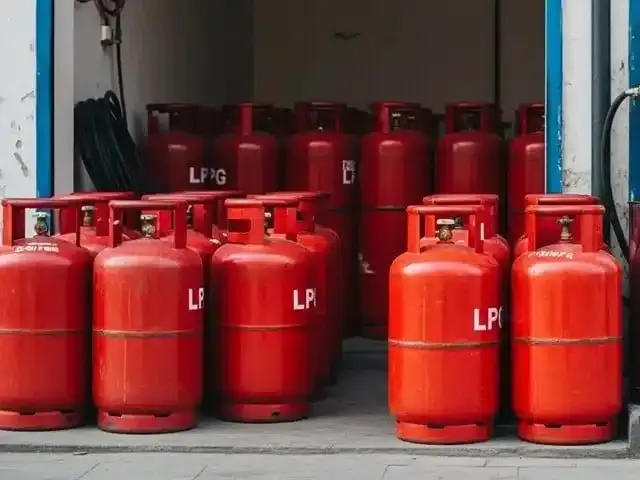
The allocation is intended to guarantee supplies to Northern Areas, Gilgit-Baltistan, and other remote, hilly, and hard-to-reach locations where liquefied petroleum gas is supplied through cylinders or existing liquefied petroleum gas air-mix plants. Households in these regions frequently face severe energy shortages, particularly during winter months when weather conditions disrupt transport routes.
How the Remaining Local Production Will Be Auctioned
The remaining 90 percent of indigenous production will be allocated through transparent monthly auctions to bottlers prequalified by the Oil and Gas Regulatory Authority. The auction floor price will be set at 5 percent below Pakistan State Oil's import-parity price, establishing a competitive baseline for market participants.
Prequalification will be based on criteria including investment in infrastructure and storage, cylinders in circulation, geographical coverage, and operational capacity. Safeguards against cartelisation will also be introduced to ensure fair competition among industry players and prevent market manipulation by dominant firms.
Special Provisions for PARCO and Legal Resolution
A special provision would allow Pakistan-Arab Refinery Company to allocate 75 percent of its 90 percent auctionable share to its subsidiary, PARCO Pearl Gas Limited. The remaining 25 percent would be sold through transparent monthly auctions, balancing internal supply needs with open market access.
However, the price charged to PARCO Pearl Gas Limited for its allocated product cannot be lower than the price discovered through the auction process. The Attorney General for Pakistan will also be requested to help resolve ongoing liquefied petroleum gas sector litigation that has affected industry operations.
Growing Household Dependence on Liquefied Petroleum Gas
The Cabinet summary highlights growing household dependence on liquefied petroleum gas amid declining domestic natural gas production and restrictions on expanding the piped gas network, which have remained in place since December 2021. Piped gas expansion has stalled due to dwindling natural gas reserves, forcing millions of residents to seek alternative energy sources for cooking and heating.
More than 10 million households are connected to the piped natural gas network, while over 25 million households, particularly in remote areas, rely on alternative fuels, including liquefied petroleum gas. This heavy reliance underscores the urgency of securing stable supply chains for off-grid communities across the country.
Market Size and Rapid Demand Growth Projections
Pakistan's liquefied petroleum gas market is estimated at 2.4 million metric tons annually and has expanded at a compound annual growth rate of 7.5 percent over the last six years. Demand is projected to grow by 8 to 8.5 percent annually as alternative fuel options remain constrained by infrastructure limitations.
A KPMG analysis cited in the summary projects demand to increase from 2.4 million tons in FY2025-26 to 4.16 million tons by FY2032-33. Domestic production is expected to rise from 0.96 million tons to 1.35 million tons, leaving imports to bridge the widening gap between local output and national consumption.
Widening Gap Between Domestic Output and Rising Imports
Imports are projected to increase from 1.4 million tons to 2.8 million tons by 2033 to meet the soaring domestic energy requirements. This growing reliance on foreign supply highlights the economic importance of optimising the distribution of domestic production.
The ministry estimates that around 71 percent of current liquefied petroleum gas supplies are imported, comprising 16 percent through sea routes and 55 percent through land crossings at Taftan and Gabd-Ramdan. Local refineries contribute approximately 9 percent, while exploration and production companies account for around 20 percent.