Petrol Price Reduction Possibility Under New Formula
Petrol could become Rs15 cheaper per litre under a new formula, according to Petroleum Minister Ali Pervaiz Malik. The announcement has sparked widespread interest among citizens and businesses alike who rely heavily on fuel for daily transport and commercial operations.
Malik discussed the possible price decrease at a press conference in Islamabad, where he appeared alongside the information minister. The reduction was presented as a possibility under the new formula, rather than a confirmed price cut. Authorities are still evaluating the structural changes required to implement this adjustment across the national supply chain.
Details of the Press Conference in Islamabad
During the briefing held in the capital city, the petroleum minister outlined the mechanics behind the proposed calculation method. Officials are reviewing current taxation structures, import parity pricing, and distribution margins to find areas where consumer costs can be trimmed without destabilizing the energy sector.
Appearing alongside the information minister, Malik emphasized that the administration is exploring various relief measures for the public. While the press conference provided hope for motorists, officials stressed that further administrative approvals are necessary before any changes take effect.
How Fuel Pricing Works in Pakistan
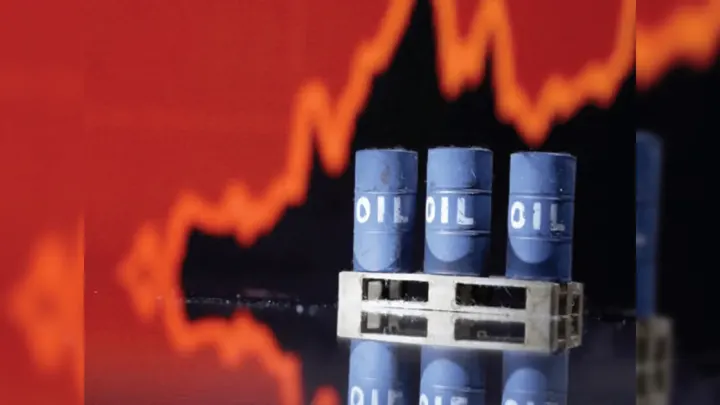
Understanding the pricing mechanism requires looking at how petroleum products reach retail pumps across the country. Prices are traditionally revised on a fortnightly basis by the government, factoring in global crude oil trends, exchange rate fluctuations, and local tax levies.
The current framework includes petroleum levy, customs duty, distribution margins for oil marketing companies, and dealer margins. Any alteration to this formula usually involves coordination between the Ministry of Finance, the Oil and Gas Regulatory Authority, and the Ministry of Energy.
Impact on Citizens and the Economy
Fuel costs serve as a major driver of inflation in the country, directly influencing transport fares, electricity generation, and the cost of essential goods. A reduction of Rs15 per litre would ease financial pressures on everyday commuters, public transport operators, and industrial logistics providers.
Small businesses and agricultural producers who rely on diesel and petrol generators or transport vehicles would also see operational expenses drop. This potential relief comes at a crucial time for consumers dealing with high utility bills and broader economic constraints.
What Comes Next for the Proposed Formula
As the ministry continues its technical review, industry stakeholders will monitor official announcements for updates on the implementation timeline. Authorities have not yet provided a specific date for when the new formula might be finalized and approved by the federal cabinet.
Observers should watch for official notifications from regulatory bodies regarding upcoming price reviews and policy adjustments. Until a formal decision is reached, retail prices will continue to follow the existing calculation method.