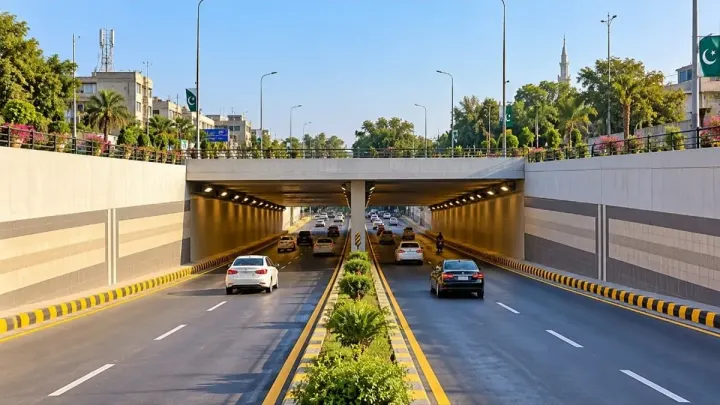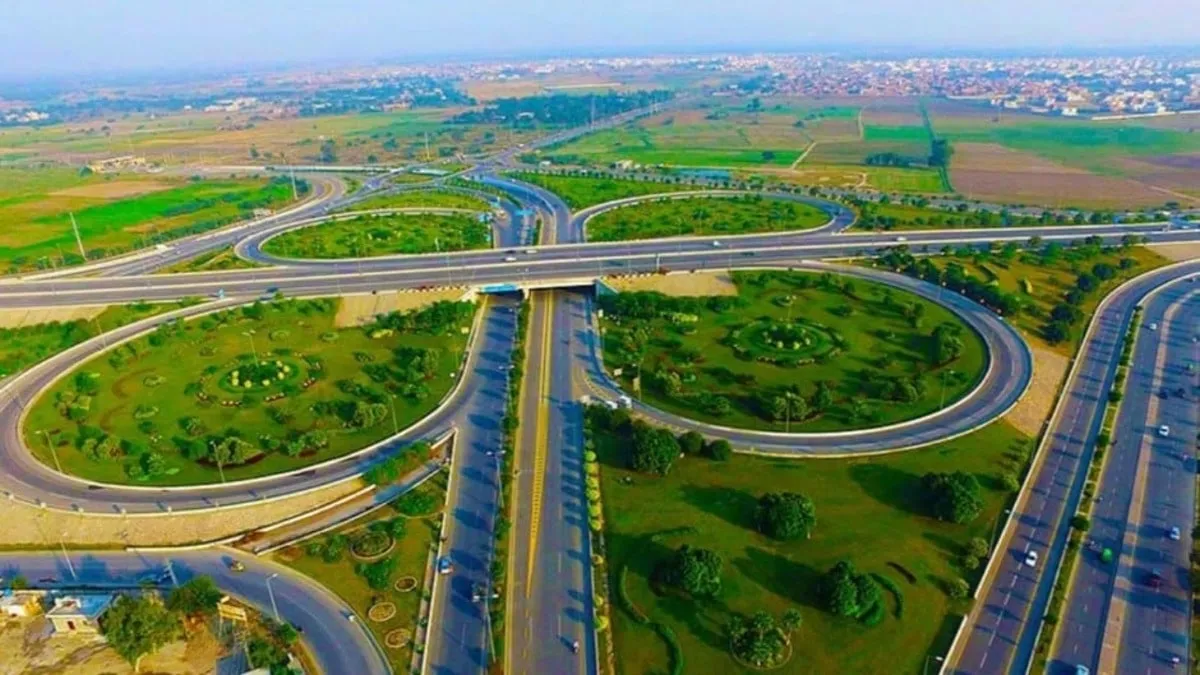
The Rawalpindi Ring Road Authority has postponed the project's inauguration for the ninth time and decided not to announce another date for the ceremony.
The authority will now hold the inauguration ceremony on just 24 hours' notice. However, officials plan to open the road to general traffic before the formal ceremony.
Why the Repeated Postponements Matter
Officials who repeatedly announced inauguration dates despite incomplete construction have also faced severe reprimands. Following the reprimands, they have stopped commenting on the matter. The pattern of premature announcements has eroded public confidence and raised questions about project management within the authority.
What Remains Unfinished on the Ring Road
Construction crews have yet to complete one interchange. Contractors also need to finish the toll plazas, toll booths, computerized toll collection system, and weighing stations. These components are essential for the road's intended function as a high-capacity bypass for traffic around Rawalpindi and neighboring areas.
Authority's Latest Directive to Contractors
The Rawalpindi Ring Road Authority in Lahore has directed contractors to complete the remaining interchange and the entire toll collection system, including the booths, by the end of this month. The deadline reflects mounting pressure from both the federal government and local commuters who have waited decades for the project to become operational.
Cost Overruns and Financial Impact
Repeated delays have pushed the project's estimated cost higher. The cost had previously reached Rs. 51.32 billion before crossing Rs. 52 billion again during the current week. Each postponement adds inflationary pressure on material prices, labor wages, and financing costs, further straining the budget.
Historical Context: A 24-Year Journey
Work on the Rawalpindi Ring Road project has dragged on for 24 years. The concept was first proposed in the early 2000s as a means to decongest Rawalpindi's city centre and provide a faster link to Islamabad. Former Prime Minister Imran Khan laid its foundation stone in March 2022, marking a political milestone but not the start of construction. Since then, the project has suffered multiple contract revisions, land-acquisition disputes, and changes in design specifications.
How the Ring Road Is Supposed to Function
The ring road is designed to be a six-lane, limited-access highway encircling Rawalpindi, connecting major national arteries such as the M-1 and M-2 motorways. It will feature toll plazas equipped with a computerized collection system that allows electronic payment, reducing congestion at entry points. Weighing stations are planned to monitor heavy-vehicle loads, a requirement under Pakistan's transport regulations to protect road longevity.
Impact on Commuters and Local Economy
When completed, the road is expected to cut travel time between the city's northern and southern districts by up to 30 minutes. Businesses that rely on road freight anticipate lower logistics costs, while daily commuters hope for reduced fuel consumption and fewer traffic jams. The delay, however, continues to force trucks and private vehicles onto existing inner-city routes, exacerbating congestion, air pollution, and accident risk.
What Comes Next: Timeline and Watch-Points
The authority's deadline of the end of the month is the immediate benchmark. If the interchange and toll infrastructure are finished on schedule, the road could open to traffic within weeks, even if the formal inauguration is delayed further. Stakeholders will be watching for:
- Progress reports from the contractor's site supervisors.
- Any additional financial allocations from the federal treasury.
- Public statements from the Rawalpindi Ring Road Authority regarding the 24-hour notice policy.
Should the deadline be missed, the authority may issue another postponement, potentially resetting the 24-hour notice rule. No official statement has indicated a new fixed inauguration date.
Practical Takeaways for Residents
Motorists should continue using existing routes until the authority confirms the opening of the ring road to general traffic. Freight operators can prepare for the upcoming toll system by ensuring electronic payment methods are active. Local businesses may consider adjusting delivery schedules to avoid peak congestion on current arterial roads.
Expert Commentary on Project Management
Transport policy analysts note that the repeated postponements reflect systemic issues in large-scale infrastructure delivery in Pakistan, including fragmented procurement processes and insufficient oversight. They recommend that the authority adopt a transparent progress-tracking platform and engage independent auditors to verify completion of critical milestones.
Government Response and Accountability
While the authority has not announced another inauguration date, senior officials in the Ministry of Communications have expressed disappointment over the delays. A parliamentary committee is scheduled to review the project's status later this quarter, focusing on cost overruns and contractual compliance.
In summary, the Rawalpindi Ring Road remains unfinished after 24 years, with the ninth postponement underscoring persistent construction gaps, rising costs, and the need for stronger governance.