School Van Fares Increased by Up to 40% in Islamabad and Rawalpindi
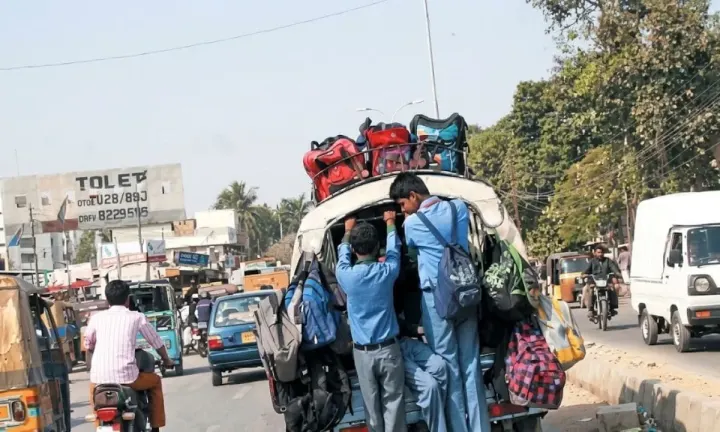
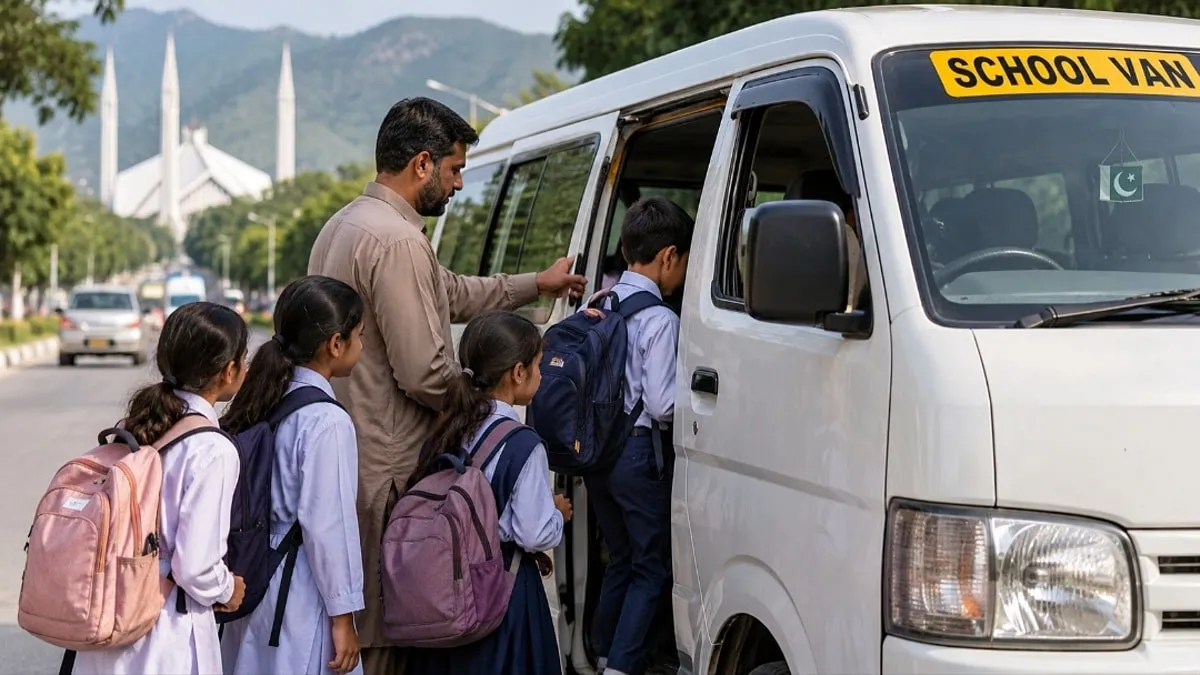
School van operators in Islamabad and Rawalpindi have increased monthly transportation fares by up to 40% following the recent surge in petrol prices, adding to the financial pressure on parents. Families residing in the twin cities now face steep hikes in their monthly household budgets as student transit costs climb significantly.
Parents said van owners were demanding an additional Rs. 2,000 to Rs. 4,000 per month without any regulatory oversight, even though many schools sit just three to five kilometers from students' homes. This sudden financial burden has caught many households off guard, arriving while other essential living costs remain elevated.
Parental Outcry Over Unregulated Transport Costs
Sidra, a mother of two, said her children's van driver had raised the monthly fare from Rs. 6,000 to Rs. 8,000 for their commute from G-10 to a school in F-7, a journey that takes around 10 minutes. Short trips within the urban centers of Islamabad and Rawalpindi now command premium rates, leaving families with few alternative options for safe student transport.
She questioned the increase, pointing out that the government had also announced a petrol subsidy for vehicles with engines up to 800cc. He said operators continued to collect full transportation fees during summer and winter vacations, while parents had no authority to challenge their charges.
Operators Defend Fare Adjustments Amid Rising Expenses
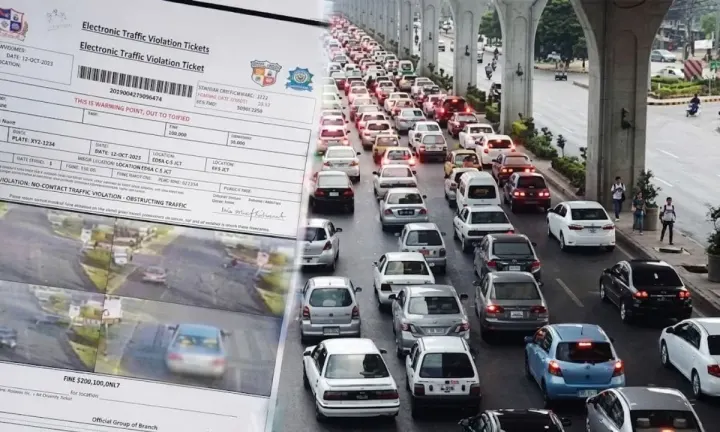
Van owners defended the increases, citing higher fuel prices, maintenance expenses and traffic fines. One operator said rising petrol and CNG prices, along with vehicle maintenance costs and traffic fines, had made it difficult to run vans at previous rates.
The operator also said parents overlooked expenses such as fuel, driver salaries and commissions that van owners paid to schools when calculating their earnings. He maintained that operators had raised monthly fares by only Rs. 1,500, which he considered justified.
Background on Twin Cities School Transport Pressures
The twin cities of Islamabad and Rawalpindi rely heavily on private van networks to transport children to educational institutions. Public transport options remain limited for school commutes, forcing parents to depend on private operators. Over the years, fluctuating fuel costs have triggered repeated friction between operators and families.
Operators frequently adjust their rates in response to petroleum price announcements by the federal government. Without formal price caps or regulatory boards governing private van tariffs, operators set rates independently based on operating overhead. This leaves consumers vulnerable to sudden price spikes whenever fuel markets experience volatility.
Economic Impact on Households and Maintenance Realities
Household budgets across Islamabad and Rawalpindi absorb the immediate shock of these higher transport tariffs. Families with multiple children enrolled in private schools face compounding monthly expenses that outpace general wage growth.
On the supply side, van operators face genuine financial pressures involving vehicle upkeep. Spare parts, tire replacements, engine oils, and mechanic wages have climbed alongside general inflation. Traffic fines imposed by local authorities also add to the daily operational cost of running commercial passenger vehicles in urban zones.
School Commissions and Vacation Fee Policies
Another contentious element in the school transport ecosystem involves arrangements between van owners and educational institutions. Operators often pay commissions to schools to secure exclusive access or parking privileges on campus grounds. These hidden business costs factor into the final rates charged to families.
Furthermore, the practice of charging full monthly fees during extended school breaks, such as summer and winter vacations, remains a long-standing point of contention. Parents argue that paying for unused services is unfair, while operators contend that retention fees are necessary to keep drivers employed and vehicles serviced during periods of zero revenue.
Future Outlook for Urban Commuter Regulations
As transport costs continue to rise, discussions regarding potential municipal oversight or subsidized fuel frameworks for public and private transporters gain urgency. Local transport authorities face recurring calls from parent associations to establish standardized fare formulas based on distance.
Observers will monitor whether municipal departments in Islamabad and Rawalpindi introduce formal guidelines to mediate between transport operators and households. Until formal oversight takes shape, market rates driven by fuel fluctuations will dictate what families pay for daily school commutes.