"You Can See Everything," the documentary chronicling Elizabeth Holmes' final weeks before prison, is drawing national attention as it climbs the ranks of highest-grossing documentaries. Directed by Nathan Fielder and Lance Oppenheim, the film avoids labeling Holmes as either a mastermind or a victim, instead emphasizing her uncanny ability to elicit pity even when her crimes are well known.
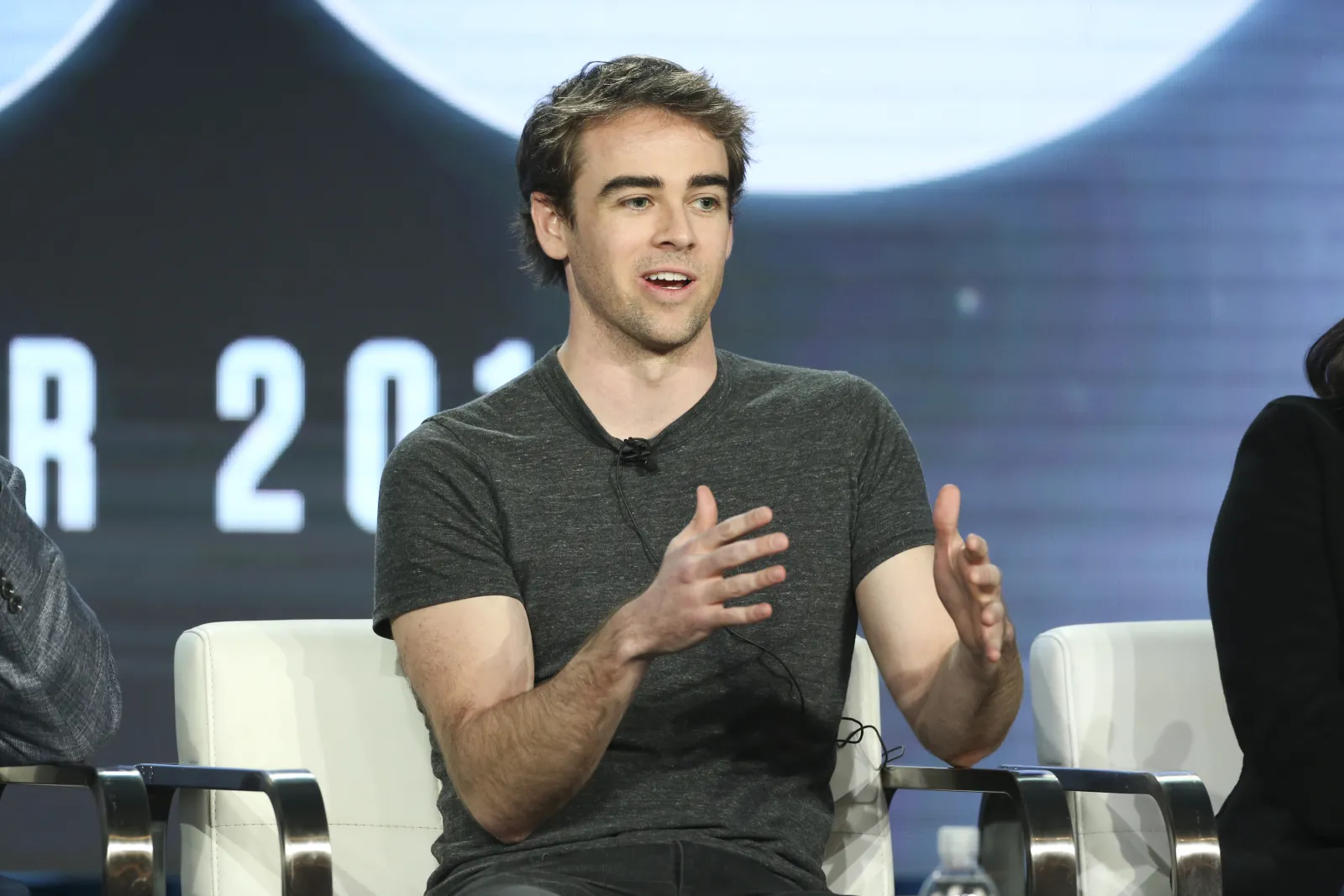
Shultz did not need to watch the film to form an opinion on Holmes. He began his career at Theranos straight out of college and later became a pivotal whistleblower who exposed the company's dangerously inaccurate blood-testing devices, which were sold in Walgreens and gave false results to real patients. Theranos once peaked at a valuation of around $10 billion, despite its technology never truly working - the firm used its own machines for only a small fraction of tests and outsourced the rest.
There is little reason to keep discussing Holmes - her case is closed and she is serving a federal sentence - yet her con-artistry has captivated the media for a decade.
As Shultz told The San Francisco Standard, "the only reason we're talking about Elizabeth Holmes right now is because she wants us to be talking about Elizabeth Holmes right now."
The Theranos cautionary tale gains fresh relevance as the AI era reaches its peak, with profit-less firms raising capital at trillion-dollar valuations.
"I think the days of having a thirty-minute coffee with someone and sending them $100,000 should be over. Elizabeth took that model and scaled it to $100 million," Shultz said to the SF Standard.
His grandfather, former U.S. Secretary of State and Treasury George Shultz, was a notable investor and board member of Theranos.
"I believe that what [Holmes] did was raise the biggest angel round of funding of all time, but even at the smaller levels, I think investors need to recognize that when they put that type of money in someone's hands, they are giving them tremendous power," he added.
Theranos' funding often came from individual backers such as the DeVos and Walton families rather than venture firms. The company refused to share scientific data or proof that its machines worked, citing trade-secret concerns, which deterred many top Silicon Valley venture capitalists.
When Theranos' fraud was uncovered, it served as a stark warning for investors to prioritize due diligence. Shultz fears that in the AI era, those lessons may be forgotten.
"A huge danger with AI is that I think it is really hard to do due diligence on it," he said. "It's really hard to tell the difference between what is something truly unique and new versus like, a ChatGPT wrapper... If you want to deceive people, I think this is great opportunity to go deceive people."
The first question raised by "You Can See Everything" concerns why a mother of two would let a crew follow her final days before serving an eleven-year sentence. The film suggests she seeks pity, which could aid future endeavors more than hatred.
In the documentary, Holmes and her partner, hotel heir Billy Evans, are shown working on Haemanthus, a diagnostics startup they dub "Theranos 2.0," reportedly backed by about $20 million.
While the film does not portray Holmes favorably, it glosses over the gravest Theranos crimes, such as delivering dangerously faulty medical information to patients and harassing Shultz when he tried to raise alarms. In popular culture, Holmes remains more of a joke than a pariah.
"I have this feeling of unease about what might come next," Shultz said. "She's certainly preparing and beginning her second act, and I don't know exactly where it's going to go."