Government Approves 400,000 Tons Sugar Exports
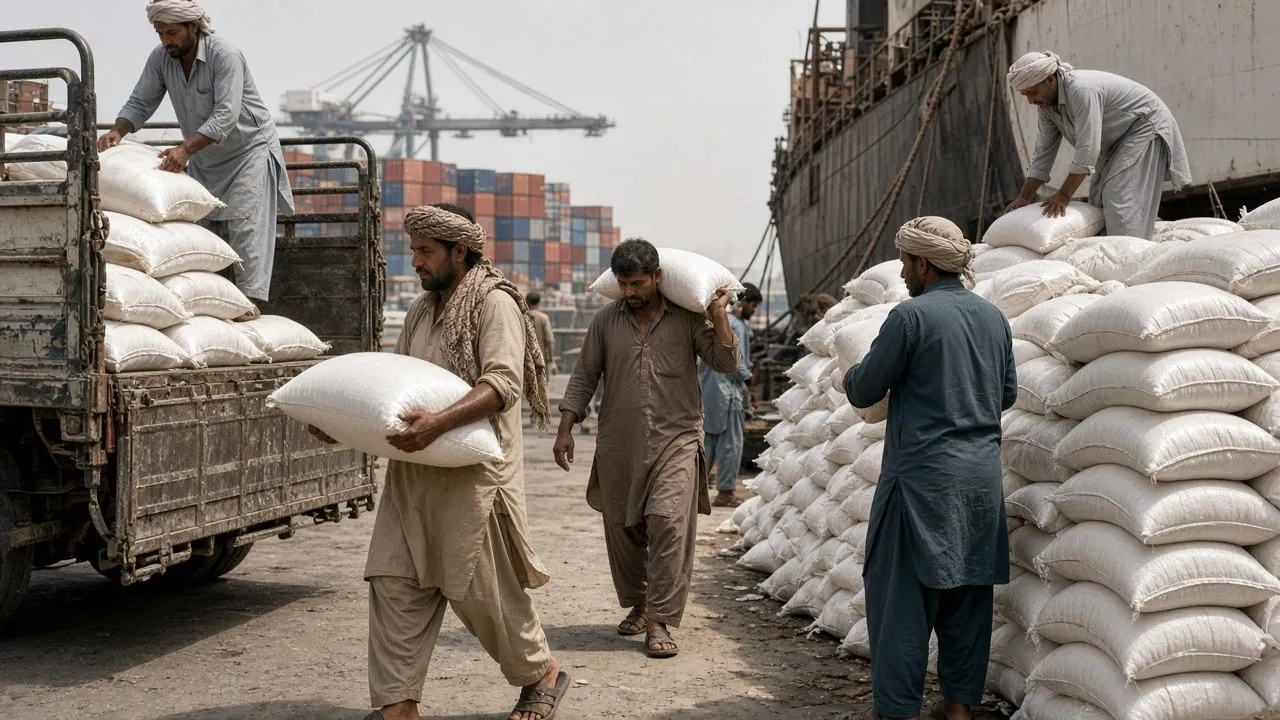
The federal government has quietly approved the export of another 400,000 tons of sugar, taking the total quantity of locally produced sugar cleared for export to 600,000 tons. This decision represents a significant development in the management of domestic agricultural commodities and surplus reserves. The Economic Coordination Committee (ECC) of the Cabinet, chaired by Finance Minister Muhammad Aurangzeb, gave the approval at its meeting on Friday. The government had earlier allowed the export of 200,000 tons.
Market observers and industry stakeholders have been closely monitoring the situation as surplus stocks accumulate across warehouses. The timing of this decision coincides with ongoing discussions regarding domestic pricing, production costs, and the financial health of sugar mills operating in various regions. Policymakers face the dual challenge of ensuring adequate domestic supply for consumers while preventing financial distress among growers and millers due to piled-up inventory.
Third Approval in Four Months
The approved quantity is 416,000 tons, including an additional 16,000-ton quota for Sindh. It is the third such permission in four months, taking total approved exports this season to 724,000 tons, including 108,000 tons of imported sugar cleared in August. This steady stream of export permissions highlights the government's shifting strategy as domestic production estimates and inventory levels become clearer.
Food Security Minister Rana Tanveer Hussain told the paper that the crushing season was about to begin and there was no shortage of sugar. His remarks address public concerns regarding potential price hikes or scarcity within local markets following the release of large volumes to international buyers.
The move follows reports that the government had cleared a proposal to export 600,000 tons of surplus sugar, as mills that say they are sitting on around 1.3 million tons of surplus stock delayed the start of crushing. Mill owners argued that holding excess stock without international clearance creates severe cash flow issues, making it difficult to clear payments owed to farmers.
Understanding the Economic Coordination Committee and Sugar Policy
The Economic Coordination Committee operates under the federal cabinet to make rapid decisions on economic matters, trade policies, and commodity pricing. When surplus commodities are identified, the ECC evaluates proposals from ministries regarding export quotas, tariffs, and regulatory controls. This mechanism prevents domestic shortages while allowing producers to tap into foreign exchange earnings.
Sugar policy in the country historically involves complex interactions between federal ministries, provincial governments, sugarcane growers, and sugar mill owners. Sugarcane pricing is regulated through government-set minimum support prices, which producers must pay to farmers regardless of market fluctuations. Consequently, when international prices drop or domestic production exceeds consumption, mills often accumulate unsold inventory.
The accumulation of 1.3 million tons of surplus stock created intense lobbying pressure from sugar producers ahead of the new crushing season. Millers maintained that exporting the surplus was necessary to generate liquidity and prepare processing facilities for the upcoming harvest.
Impact on Farmers, Millers, and Consumers
Sugarcane growers form a massive segment of the agricultural economy, relying heavily on timely payments from sugar mills for their harvested crops. Delays in the crushing season directly threaten the livelihoods of farming families who depend on immediate income to prepare fields for subsequent planting cycles. By permitting exports, the government aims to unfreeze capital within the sugar industry, enabling mills to settle outstanding dues.
Consumers remain watchful of retail prices in local grocery stores and markets. Although officials maintain that sufficient local reserves remain intact, large-scale exports sometimes trigger speculative pricing behavior among traders. Consumer advocacy groups frequently urge authorities to monitor retail rates closely to prevent artificial inflation.
For business enterprises in the manufacturing and export sectors, overseas sales provide an avenue to dispose of excess inventory without dumping it domestically at a loss. International buyers in regional markets stand ready to absorb the exported quantities, provided export logistics and quality standards meet requirements.
What Comes Next for the Sugar Sector
As the crushing season approaches, attention shifts to the actual commencement of cane crushing operations across Punjab and Sindh. Observers will track whether sugar mills adhere to official startup dates and whether farmers receive fair compensation without protracted delays.
Furthermore, regulatory authorities will likely monitor export volumes leaving the country to ensure that approved quotas are not exceeded. Any deviation from permitted quantities or sudden spikes in domestic retail prices could prompt the ECC to review its policy adjustments.
Stakeholders across the agricultural supply chain will continue evaluating market trends, weather patterns affecting future yields, and international commodity pricing. The balance between maintaining domestic food security and supporting agricultural exports remains a central theme in economic management.