Pakistan Considers Industrial Electricity Rates for Telecom Infrastructure
Telecom operators in Pakistan may soon pay industrial rather than commercial electricity tariffs, after the Prime Minister's Office ordered a special task force to prepare final recommendations for the federal government. The upcoming policy shift aims to address surging utility bills that have strained cellular companies and internet service providers across the country.
The task force will work closely with the Power Division and Finance Division to determine the financial implications and a mechanism to absorb the tariff differential. This high-level review follows a joint letter addressed to Prime Minister Shehbaz Sharif from the chief executive officers of major telecommunications firms, including Jazz, CMPak, known as Zong, PTMIL, representing Ufone and Telenor, and PTCL.
Why Telecom Operators Are Demanding Industrial Power Tariffs
The joint letter asked the federal government to extend industrial tariffs to licensed telecommunications infrastructure across the nation. The operators stated that the telecom sector has been formally recognised as an industry under various government policies and legislation, yet it continues to pay substantially higher commercial electricity rates.
Commercial electricity tariffs for telecom sites have risen by about 197 percent since 2018, according to the CEOs. Over the same timeframe, fuel costs have climbed by around 300 percent. Meanwhile, average revenue per user has fallen by about 22 percent, and operators also carry an additional five percent withholding tax, creating a severe squeeze on profit margins and operational capacity.
Task Force Background and Regulatory Timeline
A specialized task force headed by the Secretary of the Ministry of Information Technology and Telecommunication was constituted on June 29, 2026. It holds a clear mandate to examine and implement industrial power tariffs for the sector, consider smart-grid solutions, and explore dedicated power feeders to reduce prolonged outages at critical facilities.
The committee includes the Chairman of the Pakistan Telecommunication Authority, representatives of the Power Division, the National Electric Power Regulatory Authority, telecom operators, distribution companies, and the Member Telecom of the Ministry of Information Technology and Telecommunication. According to the operators, the task force held its first meeting on August 4, 2026, under the Special Secretary of the Ministry of Information Technology and Telecommunication, and companies have now asked for a definitive policy decision to convert the initiative into a revised tariff arrangement.
Legal Basis and Policy Arguments Cited by Operators
The operators cited several key regulatory precedents and legislative milestones in support of their claim for industrial classification. These include the Mobile Cellular Policy, 2004, and a Ministry of Industries and Production notification of April 20, 2004, which they state classified telecommunications as an industry.
Additionally, they referenced the Finance Act, 2021, which amended Section 2(29C) of the Income Tax Ordinance to include Pakistan Telecommunication Authority-licensed operators in the definition of an industrial undertaking for tax purposes. They also pointed to the decision by the National Electric Power Regulatory Authority on November 9, 2018, to extend industrial tariffs to dairy and poultry farms, alongside a Ministry of Information Technology and Telecommunication policy directive of January 6, 2026, on the auction of International Mobile Telecommunications spectrum.
Investment Commitments and Cost Pressures Facing the Sector
The ongoing financial strain arrives at a time when the telecommunications industry has committed about USD 2 billion over the next three years to 5G deployment and fibreisation. Companies are also investing heavily in artificial intelligence-ready, Tier-III data centres to meet rising digital demands.
Operators argue that industrial tariffs would cut operating costs and allow these vital savings to be redirected straight toward 5G deployment, rural connectivity, and fibre-to-the-home expansion. They also argued that distribution companies would benefit because operators would rely more on the national grid instead of solar and other off-grid systems.
Projected Impact on Grid Utilisation and Power Distribution Companies
According to industry projections, growth in solar off-grid operations could fall from 15 percent to 5 to 7 percent if the tariff is revised, while grid utilisation could rise by an estimated 15 to 20 percent. The operators stated that higher consumption could offset distribution companies' potential revenue losses within two to three years, though these projections are industry estimates and have not been independently verified.
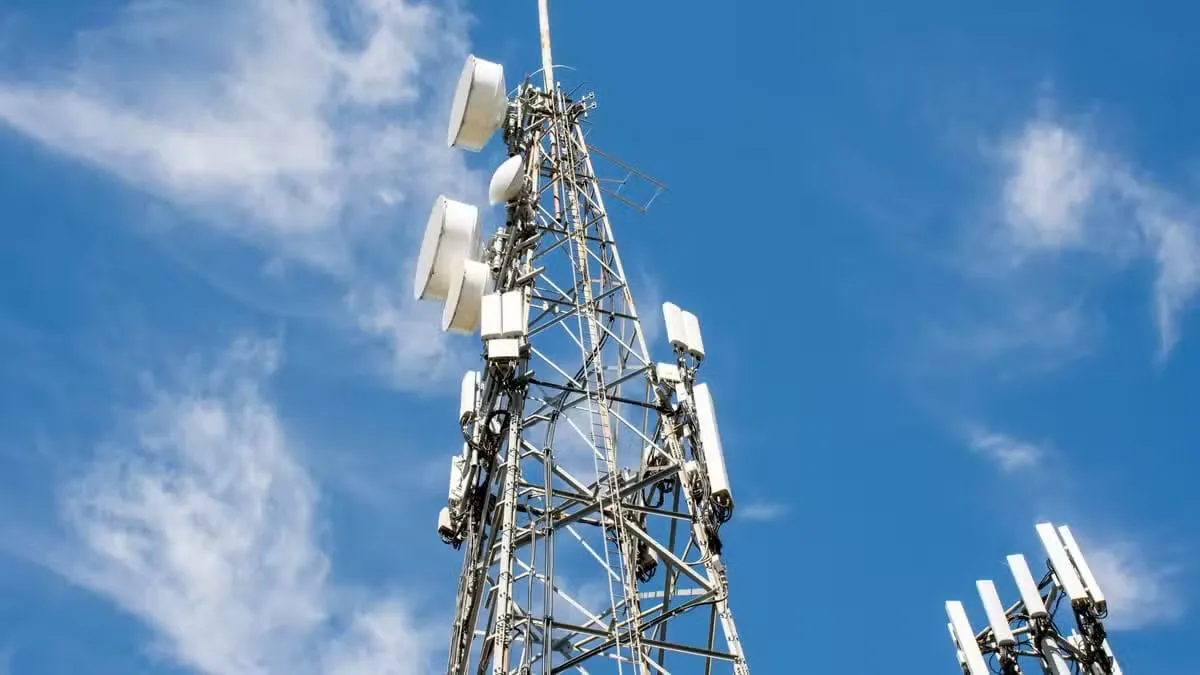
To ensure proper implementation, the operators proposed an eligibility framework certified by the Pakistan Telecommunication Authority. Eligible infrastructure would include core hub sites, base transceiver stations, cellular towers, mobile switching centres, exchanges, artificial intelligence and cloud data centres, fibre-to-the-home nodes, and network operating centres.
Proposed Safeguards and Excluded Facilities
Corporate offices, customer service centres, franchises, and retail outlets would be strictly excluded from the industrial tariff category. The companies also pledged to reinvest the saved capital directly into 5G expansion, rural connectivity, and fibre-to-the-home projects.
The companies asked the federal government to issue a policy directive extending industrial tariffs to telecom infrastructure. Alternatively, if reclassification requires a separate regulatory process, they proposed a dedicated digital and telecom infrastructure consumer category with industrial rates, along with directions to distribution companies to implement the new category within a defined timeframe.