Public Transport Fare Reductions Bring Relief to Commuters
Public transport companies have announced further fare reductions following a decrease in petroleum product prices, offering relief to passengers. Commuters who rely on intercity and urban transit networks can now travel at lower costs. Various transport companies have cut fares by up to Rs. 100, while goods transport charges have also decreased by up to 3%. This adjustment follows recent downward trends in fuel costs, translating into direct savings for everyday travelers and businesses alike.
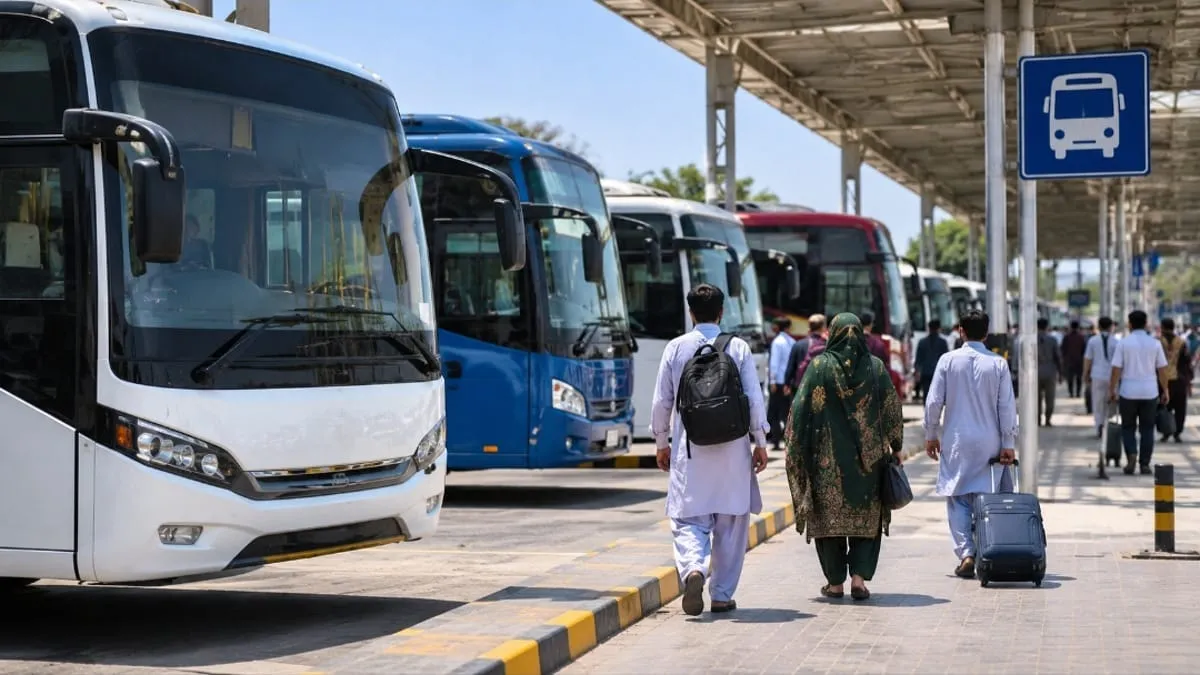
The adjustments affect multiple routes and categories of passenger transport. Passengers boarding buses at major terminals will notice the updated pricing reflected immediately on display boards. Transport authorities have mandated compliance across all commercial networks to ensure that the financial relief reaches the public without delay.
How Regional Transport Authorities Enforce New Fares
Lahore Regional Transport Authority (RTA) Secretary Rana Mohsin said transport operators had displayed revised fare lists at all bus terminals. The new fares will take effect immediately, and officials will take action against operators who continue charging old or higher fares. Field officers have been dispatched to monitor compliance and check whether operators have updated their fare charts in visible areas for passengers.
The enforcement mechanism relies on routine inspections at bus stands and transit hubs. Inspectors hold the authority to penalize drivers and companies that fail to implement the mandated price cuts. Commuters are encouraged to report any instances of overcharging to station managers or directly to RTA inspection teams stationed at major terminals.
Government Directives on Fuel Prices and Overcharging
Transport Minister Bilal Akbar Khan has also directed officials to step up action against transporters overcharging passengers. He welcomed the latest reduction in petroleum prices and said transport fares must decrease in line with the fuel price cuts. The provincial government maintains that any reduction in the cost of petroleum products must immediately reflect on passenger tariffs to protect consumers from inflation.
He directed officials to take strict action against operators charging more than the approved fares. The minister added that authorities were also continuing their crackdown on smoke-emitting vehicles. This dual approach aims to regulate transport costs while simultaneously addressing urban air quality and environmental concerns.
Background on Petroleum Prices and Transport Tariffs
The relationship between petroleum product prices and public transport fares remains a central component of transit regulation. When global oil markets fluctuate, local fuel prices adjust accordingly, prompting regulatory bodies to review transport tariffs. Historically, passenger advocacy groups and travelers pressure authorities to ensure that fare increases during oil price hikes are matched by corresponding reductions when fuel costs drop.
Transport operators calculate their operational expenses based primarily on diesel and petrol prices. Fuel constitutes the single largest variable cost for bus fleets and freight trucks. Consequently, even modest percentage decreases in petroleum prices enable operators to lower ticket prices while maintaining profit margins, provided passenger volumes remain stable.
Impact on Commuters and Goods Transport
The reduction of up to Rs. 100 on various passenger routes provides tangible relief for daily wage earners, students, and office workers. Travel expenses make up a substantial portion of household budgets for urban residents who commute across cities for work. Lower transport costs reduce the overall cost of living and ease financial pressures on low and middle-income families.
Simultaneously, the 3% decrease in goods transport charges affects the supply chain and commercial shipping. Lower freight costs can help stabilize or reduce the prices of consumer goods transported across regions. Businesses using goods transport networks benefit from reduced shipping overheads, which can improve operational efficiency.
What Comes Next for Transport Regulation
Regulatory bodies will continue monitoring compliance across all transport hubs in the coming weeks. Inspectors will conduct unannounced checks to verify that operators adhere strictly to the newly approved rate sheets. Transporters found violating these directives face fines, suspension of operating permits, or legal action under local transport laws.
Authorities also maintain their focus on environmental compliance by targeting smoke-emitting vehicles. Public transport operators must balance fare compliance with vehicle maintenance standards to avoid penalties. Passengers should remain vigilant and verify official fare lists before paying for their journeys.