Mobile Phone Explodes Inside Electric Bus in Punjab
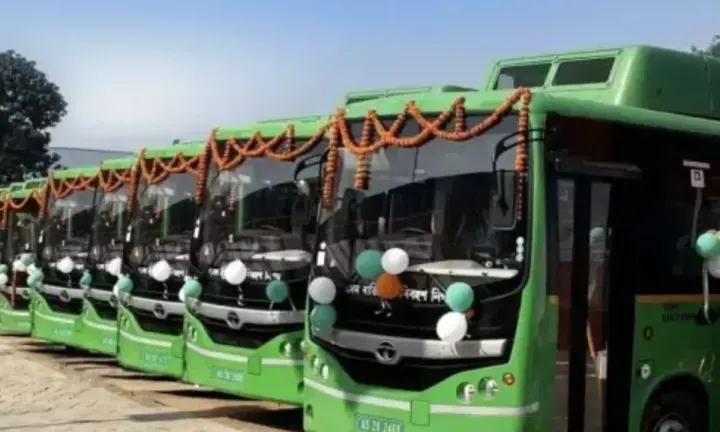
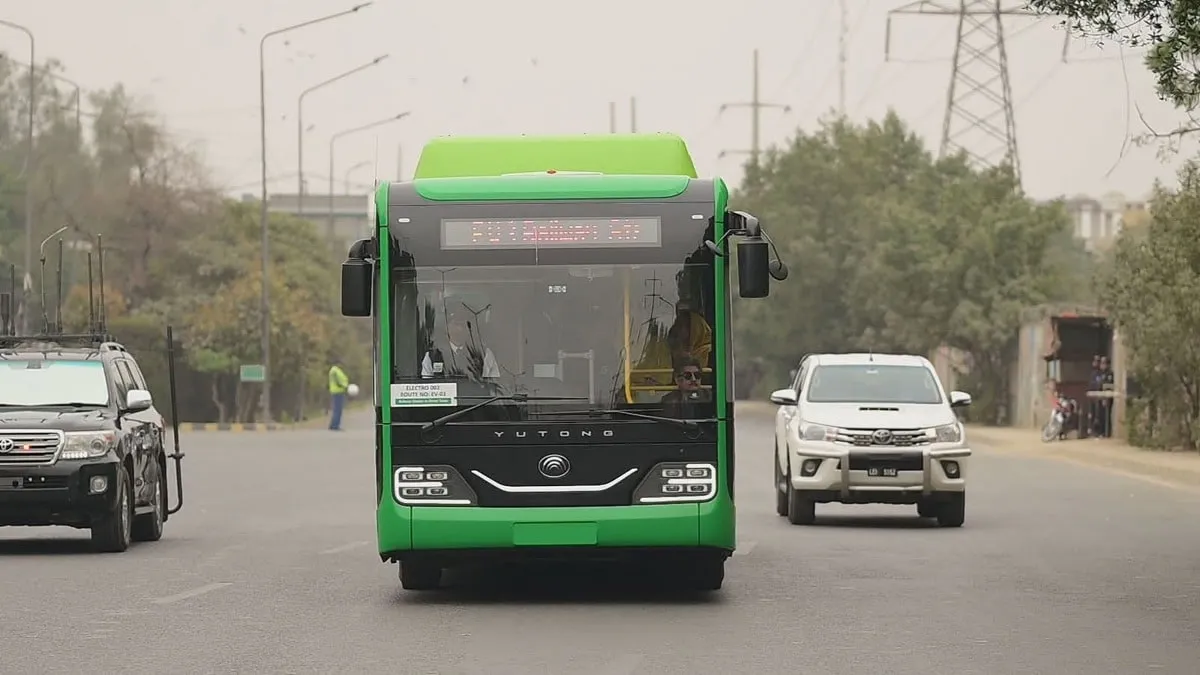
Passengers aboard an electric bus panicked on Friday after a mobile phone exploded near Dring Stadium, causing smoke to fill the vehicle. Some passengers jumped from the moving bus, while others smashed its windows and glass door to escape.
The sudden incident triggered immediate chaos inside the passenger cabin as thick smoke began to billow from the device. Commuters scrambling for safety faced immediate danger as the vehicle was still in motion during the initial moments of the emergency.
Details of the Bus Journey and the Explosion
The bus was traveling from Lodhran to Dera Bakha when a student tried to connect his phone to a charging port. The phone exploded shortly after he plugged in the charging cable, witnesses said.
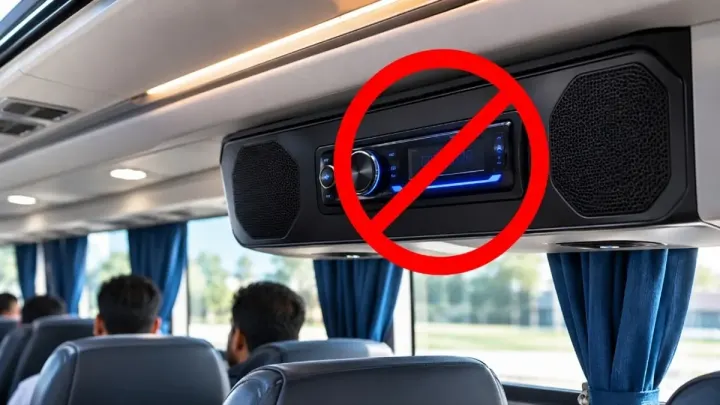
Public transport routes connecting Lodhran and Dera Bakha often carry students and daily workers relying on modern electric buses for regional transit. The presence of USB charging ports on these contemporary transit vehicles is designed to offer convenience for commuters on longer stretches of travel.
Passenger Panic and Emergency Evacuation
Fearing a fire, passengers rushed to get out, leaving some with minor injuries. The transport company confirmed that a phone had exploded due to a short circuit but denied any fire. It said the driver stopped the bus and opened its doors after noticing the smoke.
The rapid escalation of fear led to desperate measures among the travelers inside the enclosed cabin. Panic often accelerates evacuation reactions in public transport settings when smoke reduces visibility and restricts normal movement toward standard exits.
Property Damage and Transport Company Response
The company also confirmed that passengers broke four windowpanes and a woman smashed the glass door while trying to exit. Maintenance teams faced the task of repairing the shattered glass and assessing the electrical wiring of the charging ports following the incident.
Transport operators in the region maintain safety protocols for handling onboard equipment malfunctions. Officials from the operating company reviewed the circumstances surrounding the short circuit to understand why the electronic device failed upon connection to the power supply.
Understanding Electric Bus Charging Infrastructure
Modern electric buses integrate auxiliary power systems to supply electricity to passenger amenities such as USB charging ports and internal lighting. These systems draw power from the main battery packs or dedicated auxiliary converters operating at lower voltage levels suitable for consumer electronics.
Electrical safety mechanisms, including fuses and circuit breakers, normally protect these ports against power surges. However, external factors related to the condition of individual mobile devices or damaged batteries can occasionally override standard circuit protections within a consumer gadget.
Safety Risks of Lithium-Ion Batteries in Public Spaces
Lithium-ion batteries power the vast majority of modern mobile phones and electronic devices used by commuters daily. When a short circuit occurs inside a damaged or defective battery cell, it can trigger thermal runaway, a rapid and self-sustaining temperature increase leading to smoke or rupture.
Transport authorities across various jurisdictions continuously monitor the safety of onboard amenities as public fleets transition toward electrification. Preventing similar incidents relies on maintaining strict maintenance schedules for internal electrical architecture and educating passengers on device safety.
Next Steps and Safety Recommendations for Commuters
Investigators and transport officials will review the operational records of the bus and inspect the charging infrastructure involved in the event. Operators may implement additional warning signs near power outlets or temporarily deactivate specific ports pending further technical evaluations.
Commuters using public transport are generally advised to inspect their personal electronic devices for physical damage before connecting them to shared power sources. Staying aware of emergency exits and maintaining calm during unexpected smoke events remains crucial for preventing injuries during transit emergencies.